
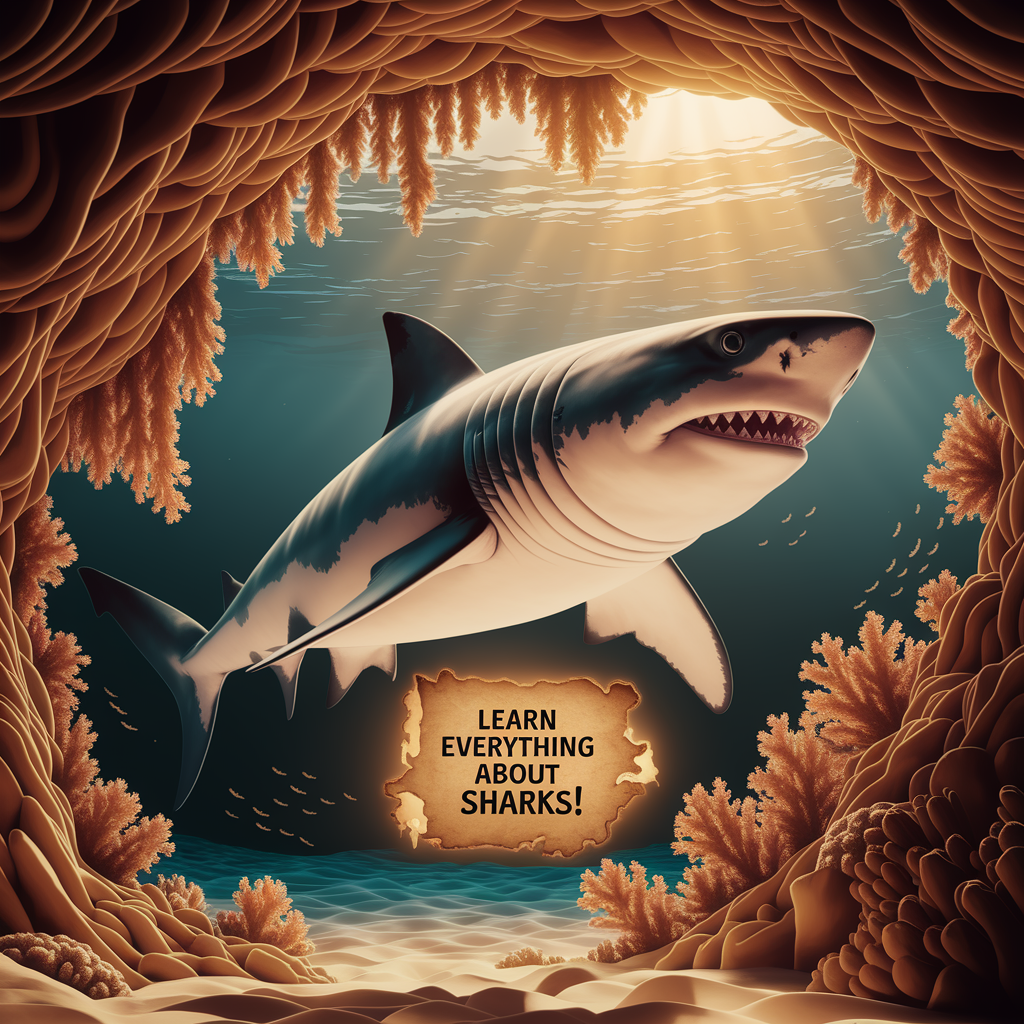
Sharks inspire awe like few other animals. From lightning-fast makos to gentle giant whale sharks, these ancient fish shape ocean ecosystems, stir our imaginations, and often suffer from misinformation. This shark facts and guide brings you a comprehensive, research-backed overview—covering anatomy, senses, hunting strategies, habitats, reproduction, species spotlights, safety, and conservation—so you can appreciate these misunderstood marvels with clarity and respect.
Want even more ocean life context while you read? Explore related marine animals and ecosystems in our ocean categories: sharks, rays, octopus, squid, jellyfish, and saltwater fish.
Quick-Glance Shark Facts
- Sharks are cartilaginous fish (class Chondrichthyes), with skeletons made of cartilage rather than bone.
- There are 500+ known shark species, ranging from the 8-inch dwarf lanternshark to the 40-foot whale shark.
- Sharks have evolved over 400 million years, predating dinosaurs and trees.
- Unique senses include electroreception (detecting electrical fields) and acute olfaction (smell).
- Most sharks are not dangerous to humans; negative encounters are rare compared to other everyday risks.
- Many species are threatened due to overfishing, bycatch, and habitat loss.
What Is a Shark? Anatomy, Evolution, and What Makes Them Different
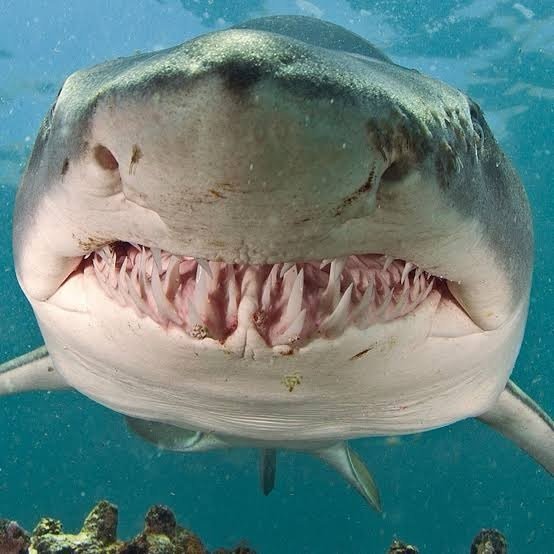
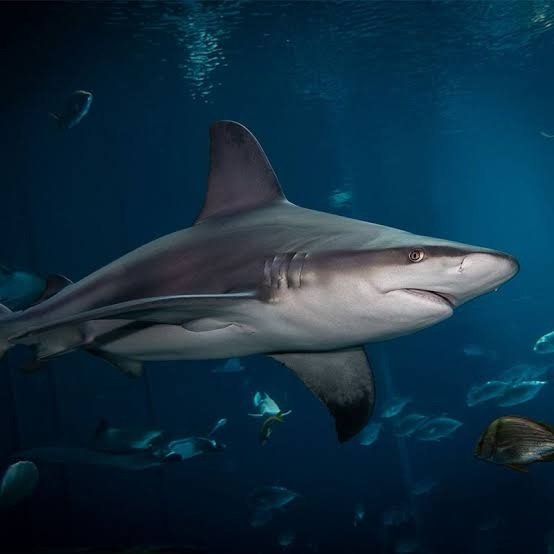
Sharks belong to the class Chondrichthyes, along with rays and skates. Their cartilaginous skeletons are lighter than bone, which supports agility and energy efficiency. Tooth replacement is continuous—rows of teeth move forward like a conveyor belt, ensuring they’re always ready to feed. Their skin is covered in dermal denticles (tiny, tooth-like scales) that reduce drag and noise, enabling stealthy movement through water.
Key anatomical features include:
- Cartilage skeleton: flexible, lightweight support for speed and maneuverability.
- Dermal denticles: streamlined, protective “skin” that limits drag and prevents fouling.
- Ampullae of Lorenzini: electroreceptive pores around the snout to detect prey and navigate.
- Spiral valve intestine: maximizes nutrient absorption with a compact design.
- Heterocercal tail: the upper lobe is typically larger, providing lift as well as thrust.
- Oil-filled liver: aids buoyancy (compensating for lack of swim bladder) and energy storage.
Evolutionarily, sharks are success stories. Their body plan and sensory suite have changed relatively little because they work so well. That said, sharks are wildly diverse—from bottom-dwelling nurses to pelagic speedsters—and occupy nearly every saltwater habitat on Earth.
How Sharks Sense and Hunt: The Science Behind a Super-Predator
Sharks are masterful hunters because they integrate multiple senses with precision. Understanding this sensory stack is central to any shark facts and guide.
- Smell: Some species can detect minute concentrations of chemicals in water, helping track wounded prey over long distances. “Smelling a drop of blood in an Olympic pool” is an exaggeration, but the sensitivity is still extraordinary.
- Hearing: Low-frequency sounds—like the thrashing of a struggling fish—can attract sharks from afar.
- Vision: Many have excellent vision in dim light. A reflective layer behind the retina (tapetum lucidum) boosts night vision.
- Lateral line: Detects water vibrations; crucial for sensing motion and direction.
- Electroreception: The ampullae of Lorenzini detect weak electrical fields given off by living organisms, especially useful in close-range strikes and when prey is buried.
Hunting strategies vary by species:
- Ambush attacks: Great whites may attack from below with explosive speed, targeting seals in “air strikes.”
- Persistent pursuit: Shortfin makos are built for speed; they chase down fast fish like tuna.
- Crushing and grinding: Tiger sharks’ robust jaws and serrated teeth handle turtles, birds, and crustaceans.
- Suction feeding: Nurse sharks use powerful suction to extract prey from crevices.
- School coordination: Some hammerheads aggregate and may use group foraging advantages.
- Filter feeding: Whale and basking sharks strain plankton and small fish through gill rakers.
What Do Sharks Eat? Diet by Species and Life Stage
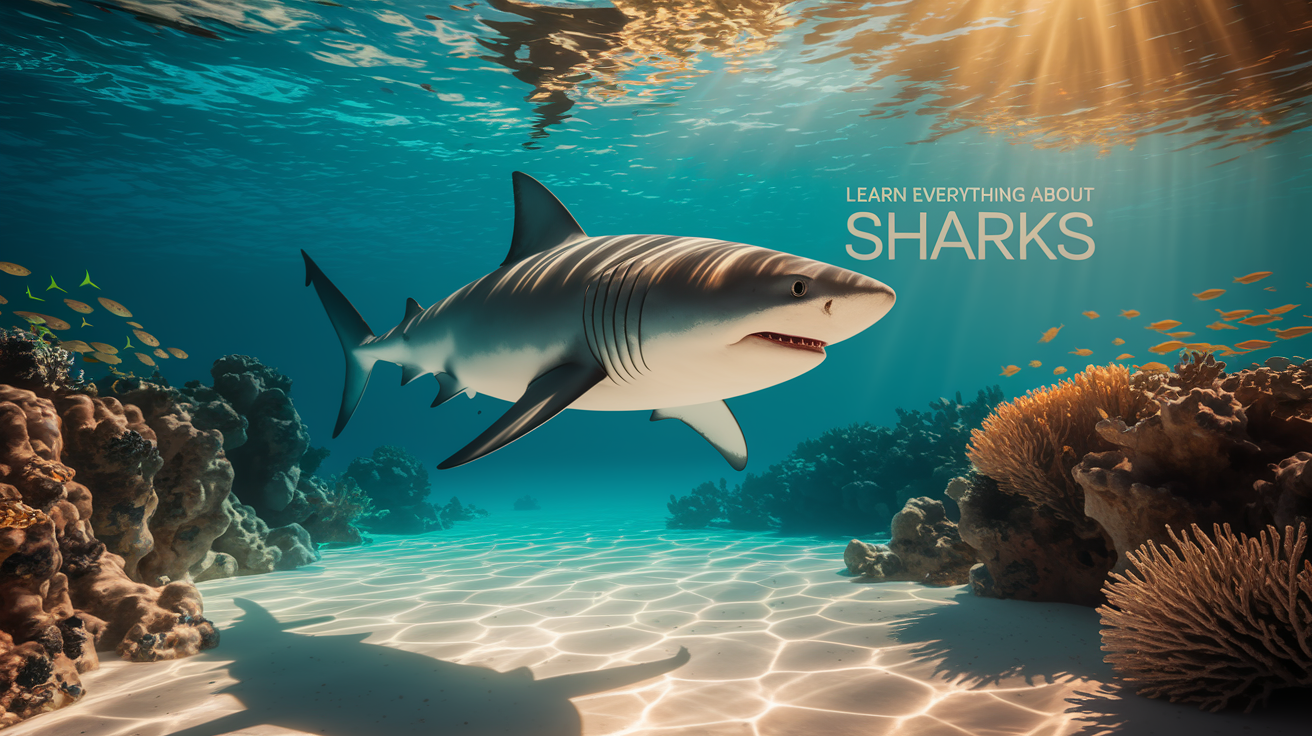
Diet depends on size, habitat, and mouthparts. Juveniles often start with small fish and invertebrates before moving to larger or tougher prey. Sample diets include:
- Great white: seals, sea lions, fish (including other sharks), and carrion.
- Tiger shark: one of the least picky eaters—fish, rays, turtles, seabirds, and more.
- Mako: high-energy fish like tuna and mackerel; cephalopods such as squid.
- Hammerhead: rays, fish, cephalopods; the wide head improves sensory scanning of the sea floor.
- Nurse shark: crustaceans, mollusks, and fish found around reefs and seagrass beds.
- Whale shark: plankton blooms, small fish, and fish eggs; they are gentle filter feeders.
For a broader context of the ocean food web—and how sharks interact with other marine life—explore these animal groups and species: rays, octopus, squid, and jellyfish. You can also compare roles across the wider saltwater fish community.
Where Sharks Live: Habitats, Ranges, and Migrations
Sharks are cosmopolitan. Many inhabit coastal shelves and coral reefs, while others roam the open ocean (pelagic species) or prefer deep, cold waters. Some species undertake seasonal migrations to follow prey, mate, or use warmer nurseries for their young.
- Coastal and reef: Blacktip, reef, nurse, lemon sharks.
- Open ocean: Blue shark, shortfin mako, oceanic whitetip.
- Deep sea: Goblin shark, frilled shark, sixgill sharks.
- Polar and cold waters: Greenland shark, salmon shark.
- Warm currents and hotspots: Whale sharks often follow plankton-rich upwellings.
Habitat matters for conservation because coastal development, reef degradation, and bycatch in busy fisheries hit certain sharks harder than others. Knowledge of migration corridors and pupping grounds is essential for establishing marine protected areas (MPAs).
Shark Reproduction: Ovoviviparous, Oviparous, and Viviparous Strategies
Unlike many fish, sharks have slower reproductive rates, making populations vulnerable to overfishing. Their reproductive modes include:
- Oviparous (egg-laying): Species such as horn sharks lay tough, leathery “mermaid’s purses.”
- Ovoviviparous (eggs hatch internally): The mother nourishes embryos via egg yolk; young are born live.
- Viviparous (placental connection): Some species, like hammerheads, nourish embryos via a placenta-like structure.
Litter sizes and gestation periods vary; some sharks carry pups for more than a year. Many use shallow, protected nurseries where young can grow with reduced predation risk.
Are Sharks Dangerous? Risk, Myths, and Evidence-Based Safety
This shark facts and guide wouldn’t be complete without clear risk context. Worldwide, unprovoked shark bites are rare given the number of people in the ocean. Most incidents involve mistaken identity (e.g., a surfer silhouette) and occur in areas with baitfish, murky water, or active feeding events. Fatalities are rarer still. Meanwhile, humans kill tens of millions of sharks annually—primarily through fishing and bycatch.
Smart safety practices:
- Avoid swimming near schooling baitfish or marine mammal activity.
- Skip dawn and dusk swims in turbid water, especially where sharks are common.
- Don’t wear shiny jewelry (which can mimic fish scales).
- Stay in groups; avoid erratic splashing.
- Heed local advisories and lifeguard guidance.
Many wildlife myths are persistent across animals. For balanced, myth-busting reads on other species, we recommend these in-depth guides: facts and myths about alligators and myth-busting bat facts. They complement the approach we take here with sharks—separating fear from facts.
Sharks in the Ocean Food Web: Why Predators Keep Seas in Balance
As apex and mesopredators, sharks shape ecosystems from the top down. By culling weak or diseased animals and influencing the behavior of prey, they maintain healthy, resilient food webs. For example, tiger sharks can alter sea turtle grazing patterns on seagrass beds, preventing overgrazing and protecting habitats used by myriad species.
Interested in sea turtles that share habitats with many coastal sharks? Dive into these species profiles: Leatherback turtle—the giant of the ocean, Loggerhead sea turtle facts, Green sea turtle facts, and a handy comparison, loggerhead vs. green sea turtles.
Famous Shark Species: From Gentle Giants to Speed Demons
While hundreds of sharks rarely get media attention, a handful are ocean celebrities. Here’s a snapshot of ten noteworthy species:
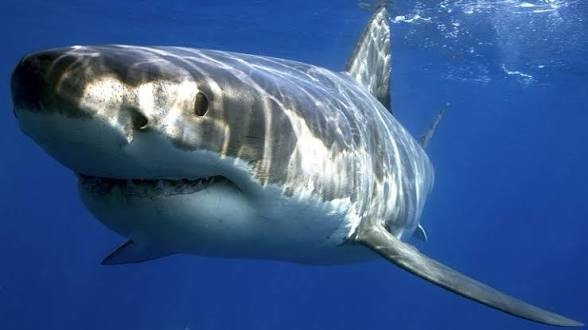
- Great white shark (Carcharodon carcharias): Iconic apex predator of temperate coasts. Breaches on pinnipeds and can scavenge whale carcasses.
- Tiger shark (Galeocerdo cuvier): “Garbage collectors” of the sea with a broad diet; often found in tropical and subtropical waters.
- Bull shark (Carcharhinus leucas): Tolerates brackish and even freshwater; implicated more often in nearshore interactions with people due to habitat overlap.
- Whale shark (Rhincodon typus): Largest fish on Earth, a gentle plankton feeder; popular with eco-tourism when responsibly managed.
- Hammerhead sharks (Sphyrnidae): Distinctive cephalofoil improves sensory perception. Some species form impressive seasonal aggregations.
- Shortfin mako (Isurus oxyrinchus): Among the fastest sharks; impressive migratory pelagic predator.
- Nurse shark (Ginglymostoma cirratum): Mostly nocturnal bottom-dweller; common in reefs and shallow seagrass habitats.
- Blue shark (Prionace glauca): Wide-ranging pelagic species; known for long migrations and striking coloration.
- Greenland shark (Somniosus microcephalus): Deep, cold-water giant with remarkable longevity—possibly centuries.
- Goblin shark (Mitsukurina owstoni): Deep-sea “living fossil” with a protrusible jaw for capturing prey in the dark.
How Scientists Study Sharks: Tagging, Genetics, and Citizen Science
Modern shark science uses satellite and acoustic tags to track migrations, depth preferences, and behavior. Genetic studies reveal population structures and connectivity between regions—knowledge critical for creating effective marine protected areas. Meanwhile, divers, anglers, and beachgoers contribute to citizen science by logging sightings and submitting fin photos for individual identification in some species.
Conservation Status: Threats and What You Can Do
Many sharks are threatened by overfishing (both targeted and as bycatch), finning, habitat destruction, and climate change. As slow-growing, late-maturing animals with small litters, sharks can’t quickly rebound from heavy losses.
Key conservation actions include:
- Strengthening fisheries management with science-based catch limits and bycatch reduction.
- Supporting MPAs and migratory corridor protections.
- Combatting finning through law enforcement and consumer awareness.
- Choosing seafood certified for sustainability; avoiding products with shark bycatch concerns.
- Promoting accurate shark education to replace fear with respect.
Because sharks interact with diverse ocean fauna, protecting them often benefits entire ecosystems. For broader ocean stewardship, explore related life histories in our fish and sea life hub.
Shark Watching and Diving: Ethical Encounters and Safety Tips
Eco-tourism can help fund conservation and shift public perception—when done responsibly. If you plan a shark dive or snorkel:
- Choose operators with strong safety records and codes of conduct (no wildlife harassment).
- Follow all briefings; keep hands close, avoid sudden movements, and maintain respectful distances.
- Do not chase or corner animals; let sharks set the distance.
- Avoid touching or feeding wildlife; it can alter behavior and jeopardize future conservation.
Photography tips: Keep your camera close, avoid strobe overuse, and prioritize the animal’s comfort. The best images are often those that capture natural behavior in good light and clear water—patience matters as much as gear.
Frequently Asked Questions: Shark Facts and Guide Essentials
How old can sharks get?
It varies. Some reef sharks may live 20–30 years, while Greenland sharks could exceed 250 years, making them among the longest-lived vertebrates. Longevity is another reason their populations recover slowly.
Do sharks sleep?
Sharks don’t sleep like humans but many rest or enter low-activity states. Some species must keep water flowing over their gills by swimming; others can pump water while stationary. Rest behaviors differ across species.
Are sharks attracted to blood?
They’re highly sensitive to chemical cues, including blood, but context matters. Trace amounts alone don’t trigger feeding frenzies. Presence of prey-like signals, water conditions, and species behavior all factor in.
Why do some sharks have such odd heads (like hammerheads)?
The cephalofoil offers multiple advantages: improved sensory reception (especially electroreception), better binocular vision, and increased maneuverability. It may help hammerheads pin down rays on the seafloor.
How fast can sharks swim?
It depends. Shortfin makos may exceed 40 mph in bursts. Other species are ambush predators that rely on stealth rather than speed. Many cruise efficiently at modest speeds to conserve energy.
Do sharks live in freshwater?
Most are marine, but bull sharks are famous for tolerating freshwater and have been recorded far upstream in rivers. A few other species use brackish estuaries.
What’s the biggest shark today? What about historically?
Today’s largest is the whale shark, up to roughly 40 feet. Historically, the extinct megalodon dwarfed modern giants, probably exceeding 50 feet, with a bite built for marine mammals.
How Sharks Compare with Related Ocean Creatures
Sharks share the class Chondrichthyes with rays and skates. You’ll notice ray relatives have flattened bodies, gill openings on the underside, and often use winglike pectoral fins to “fly” through water. Dive deeper into that side of the shark family with our rays category. Sharks also interact frequently with squid, octopuses, and jellyfish—learn how these invertebrates thrive in the same ecosystems here: octopus, squid, and jellyfish.
Field Identification Tips: Recognizing Sharks Responsibly
Field ID helps divers, anglers, and citizen scientists contribute meaningful observations. Focus on:
- Body shape and size: Slender pelagics vs. stocky coastal species.
- Snout and head shape: Hammerheads, long-snouted blues, conical great whites.
- Dorsal fin shape and position: Tall and triangular vs. rounded; forward or rear-set.
- Coloration and markings: Countershading, stripes (tiger sharks), tips (blacktip reef sharks).
- Teeth form: Narrow, smooth-edged for fish; broad, serrated for mammals and turtles.
Always keep a respectful distance and prioritize both your safety and the animal’s welfare. Many ID shots can be made without getting close; use zoom instead.
Human–Shark Coexistence: Policy, Culture, and the Path Forward
Cultures worldwide have revered, feared, and relied on sharks. From Polynesian stories to modern conservation movements, our relationship is evolving toward stewardship. Policies grounded in science, coupled with public education and eco-tourism, can protect sharks and the livelihoods connected to healthy seas.
If you’re eager to keep learning beyond this shark facts and guide, browse our latest shark and ocean features here: Explore Critters: Sharks and the broader Fish & Sea Life library.
Further Reading and Related Guides
- Compare sharks with their flattened cousins in our Rays category.
- See how sharks share habitat and food webs with octopuses, squid, and jellyfish.
- Explore conservation stories through sea turtles: Leatherback, Loggerhead, Green sea turtle, and Loggerhead vs. Green.
- Dive deeper into ocean biodiversity across our Saltwater Fish hub.
Key Takeaways: Shark Facts and Guide Summary
- Sharks are ancient, diverse, and essential to ocean health. Their sensory systems—especially electroreception—make them uniquely effective predators.
- Most sharks pose minimal risk to humans; evidence-based safety and respect go a long way.
- Threats from overfishing and habitat loss require urgent, science-based action. Supporting sustainable seafood, MPAs, and accurate education directly helps sharks and entire marine ecosystems.
- Curiosity fuels conservation. Keep learning through species profiles, ecosystem guides, and our growing library of marine life resources—starting with our dedicated shark category.
We hope this comprehensive shark facts and guide has sharpened your understanding and appreciation of these remarkable animals. The more we learn, the better we protect—and the richer our oceans remain for generations to come.


