
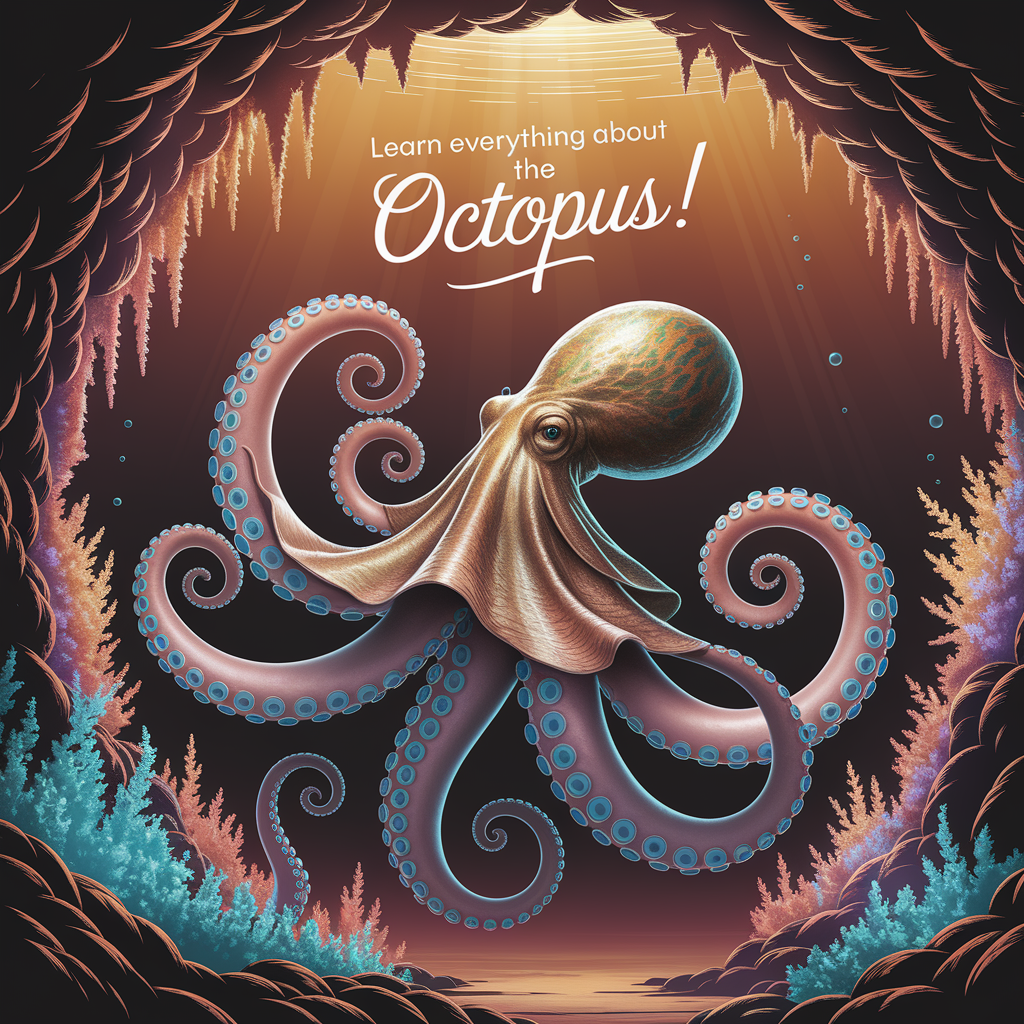
If you’re looking for a clear, engaging introduction to octopus behavior, anatomy, and intelligence, you’re in the right place. Octopuses are some of the most fascinating animals in the sea—soft-bodied escape artists with color-changing skin and a knack for solving problems. In this guide, you’ll learn what sets them apart from other marine life, how they hunt, where they live, and why scientists consider them among the most remarkable invertebrates on Earth.
What Is an Octopus? A Quick Introduction to Octopus Basics
An “introduction to octopus” starts with a simple truth: octopuses are cephalopods, a class of mollusks that also includes squid and cuttlefish. Unlike fish, octopuses have no bones. Their bodies are largely made of muscle and soft tissues, which lets them squeeze through tiny gaps and vanish into crevices that seem impossibly small. They’re found in oceans worldwide—from shallow tide pools to deep, dark reefs—and they’ve evolved a suite of superpowers to survive: camouflage, ink for escape, and impressive problem-solving abilities.
Octopuses generally lead solitary lives, occupying dens that they remodel and maintain. They hunt at night (many species), hide during the day, and rely on their keen senses and flexible bodies to navigate complex seascapes.
Octopus Anatomy 101: Arms, Suckers, and Blue Blood
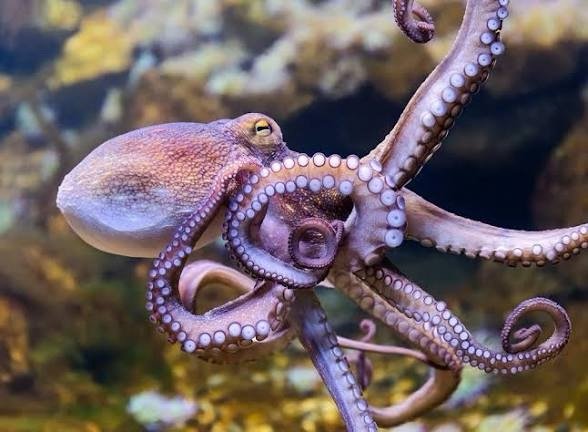
Eight arms, zero bones—that’s the octopus blueprint. Each arm is lined with powerful, sensitive suckers that can taste and feel at the same time. Unlike tentacles (which are longer, more whip-like appendages usually with suckers only near the tips), octopus arms have suckers along their entire length, giving them exquisite control for grabbing prey, exploring, and manipulating objects.
- Brains and nerves: Octopuses possess a central brain plus large clusters of neurons in each arm—almost like having mini-brains. This decentralized control lets arms perform complex tasks semi-independently.
- Three hearts and blue blood: Two hearts pump blood to the gills, while a third circulates it to the rest of the body. Their copper-based blood (hemocyanin) appears blue and works well in cold, low-oxygen water.
- Beak and radula: Hidden beneath the head is a strong beak for cracking shells and a rasping tongue (radula) that helps process food.
- Ink sac: When threatened, many species release a cloud of ink that obscures vision and can even interfere with a predator’s sense of smell.
How Smart Are Octopuses? Problem-Solving, Play, and Personality
Octopuses are rock stars of invertebrate intelligence. In labs and aquariums, they’ve been observed opening jars, escaping tanks, solving mazes, and even “playing” with objects like floating bottles or toys. In the wild, their innovation shows up in how they forage, dismantle prey defenses, and use camouflage to outwit predators. Many keepers report distinct personalities—some octopuses are shy and cautious; others are curious and mischievous.
This level of intelligence is rare outside of mammals and birds. For comparison with other surprisingly sophisticated invertebrates, check out these deep dives on social and problem-solving behaviors in tiny creatures such as ants and bees. While their brains are very different from ours, octopuses’ flexible learning and memory continue to challenge our understanding of cognition in the animal kingdom.
Masters of Disguise: Camouflage, Color, and Communication
Octopuses can change color, pattern, and texture in milliseconds thanks to specialized skin cells (chromatophores, iridophores, and leucophores) and tiny muscular bumps that create a rough or smooth texture. These changes serve several purposes:
- Camouflage: Blending with rocks, sand, or coral to hide from predators and ambush prey.
- Communication: Some species use color displays to warn rivals or signal intentions during mating.
- Deception: The mimic octopus can impersonate other animals—from lionfish to sea snakes—by adjusting both shape and pattern.
This rapid transformation is more than skin-deep; it’s an outward display of inner decision-making, a visual language that helps them survive and thrive in dynamic environments.
Where Do Octopuses Live? Habitat and Distribution
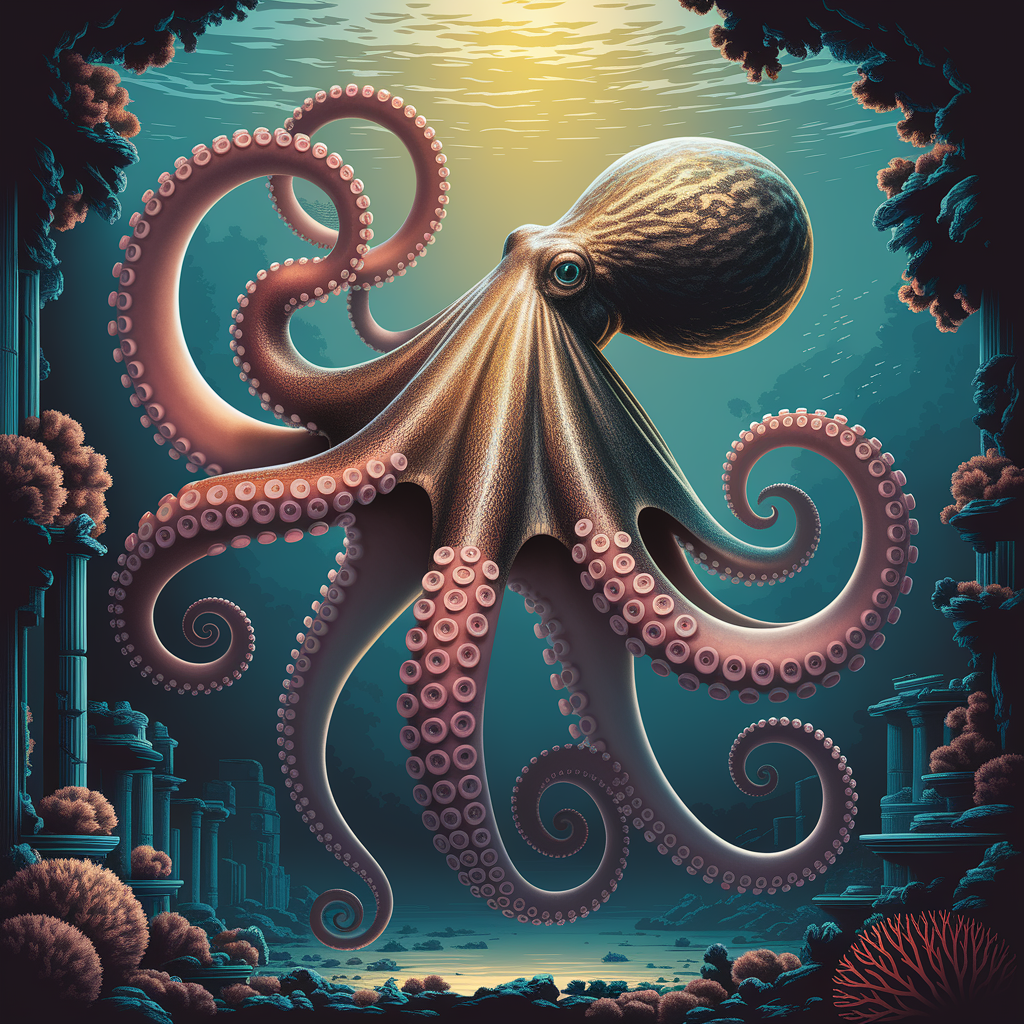
You can find octopuses in most of the world’s oceans—from tropical lagoons to chilly temperate zones. They favor rocky reefs, coral systems, seagrass beds, and sandy bottoms with lots of nooks for dens. Some species, like the giant Pacific octopus, prefer colder waters with abundant crustaceans and shellfish. Others inhabit tide pools, surviving dramatic changes in temperature, salinity, and oxygen.
If you enjoy exploring sea creatures by region and type, you’ll love browsing more ocean life in our Fish & Sea Life category and allied groups like jellyfish, rays, and sharks.
What Do Octopuses Eat? Diet and Hunting Strategies
Octopuses are carnivores with a taste for crabs, shrimp, fish, and mollusks like clams and snails. Their hunting approach depends on habitat and species, but common strategies include:
- Ambush: Lying in wait under a well-camouflaged den, then pouncing on passing prey.
- Stalking and pouncing: Gliding across the seabed and striking with lightning speed.
- Tool use: Some species carry coconut shells or use rocks to barricade den entrances—or to pry open stubborn shells.
Once an octopus captures prey, it may inject venom to subdue it, then use its beak and radula to access the soft tissues. Their ability to learn from experience lets them refine techniques for cracking shells or extracting crabs from tight spaces—skills that help them grow quickly during their relatively short lives.
Life Cycle: Mating, Eggs, and a Short but Brilliant Journey
Most octopus species live fast and die young. After mating, a female lays thousands of eggs in a protected den and diligently guards them—often without eating—until they hatch. This maternal devotion is extraordinary; the female aerates the eggs, cleans them, and defends them from intruders. In many species, she dies shortly after the hatchlings disperse. Males typically die soon after mating as well. Despite the brevity, the octopus life cycle ensures rapid growth and wide dispersal of offspring, helping populations adapt to changing conditions.
Octopus vs. Other Cephalopods: How They Differ from Squid and Cuttlefish
Cephalopods share certain features—intelligence, jet propulsion, beaks—but there are key differences:
- Arms and tentacles: Octopuses have eight arms with suckers along their length; squid and cuttlefish usually have eight arms plus two specialized tentacles for capturing prey.
- Body shape: Octopuses lack a rigid internal shell; cuttlefish have a cuttlebone, and squid have a pen (an internal support structure).
- Lifestyle: Octopuses are often solitary, benthic (bottom-dwelling) hunters. Squid and cuttlefish can be more pelagic (open-water) and social.
Curious to explore these relatives? Dive into our cephalopod neighbors in the squid section and see everything we’ve gathered about eight-armed wonders in our octopus articles.
Octopuses in the Food Web: Predators, Prey, and Ecosystem Roles
Octopuses sit at a pivotal spot in marine food webs. As predators, they help regulate populations of crustaceans and small fish. As prey, they feed larger fish, sharks, seals, and even dolphins. Their camouflage and escape tactics (like inking) are constant reminders that evolution is a never-ending arms race. Healthy octopus populations signal balanced, productive habitats with plentiful forage and cover—exactly the sort of conditions that also support diverse reef and seagrass communities.
Conservation and Human Connections
Many octopus species are resilient generalists, but they still face challenges such as habitat degradation, pollution, and localized overfishing. Sustainable fisheries management and marine protected areas can help. Meanwhile, ethical aquarium care for octopuses is a hot topic; their intelligence and need for enrichment mean they require complex, secure environments and careful attention to welfare.
If you enjoy exploring marine conservation and the fascinating biology of other ocean-dwellers, you might also like learning about sea turtle species—from gentle grazers to ocean giants. Compare and contrast with our guides to green sea turtles, the colossal leatherback turtle, and broader overviews like fascinating turtle species around the world.
Octopus Myths vs. Facts: Setting the Record Straight
Because octopuses seem almost alien, myths cling to them. Here are a few truths:
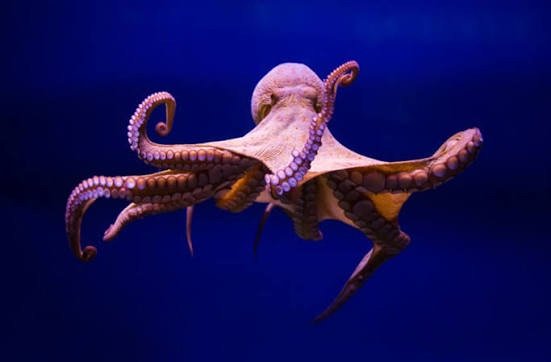
- Do they have tentacles? They have arms—eight of them. Squid and cuttlefish have tentacles in addition to arms.
- Are they dangerous to humans? Most are not. All octopuses have venom, but only a few (like blue-ringed octopuses) are dangerous to people. Respect and distance are key.
- Are they fish? No, they’re mollusks (cephalopods), related to snails and clams—though their bodies and brains are far more complex.
- Do they change color only for camouflage? Not only—color can also signal moods, warnings, and courtship cues.
How Octopuses Move: Jet Propulsion and Silent Gliding
Octopuses move in several ways, each useful in different contexts:
- Jet propulsion: They draw water into a cavity and blast it out through a siphon, propelling themselves backward in a sudden burst—great for escapes.
- Crawling and gliding: Using arms to “walk” across the seafloor or glide smoothly to stalk prey while staying close to cover.
- Precision maneuvering: Fine control over the siphon and arms lets them hover, pivot, and navigate tight spaces.
The result is quiet movement that fits their stealthy lifestyles. They don’t call attention to themselves unless they choose to.
Seeing the World Their Way: Senses and Perception
Octopuses have excellent vision and can perceive polarization, which likely enhances contrast in underwater scenes. Their skin is also dotted with sensory receptors, and their suckers are like fingertips with taste buds—helpful when investigating shells or crevices. This sensory toolkit, combined with a distributed nervous system, gives them a uniquely embodied form of intelligence, where “thinking” and “feeling” are spread throughout the body.
Octopus Encounters: Observation Tips and Ethical Wildlife Watching
If you’re snorkeling or tide-pooling in octopus territory, you might be lucky enough to spot one. Here’s how to do it responsibly:
- Keep your distance and avoid touching or chasing. Stress can harm wildlife.
- Never pry an octopus from a den or attempt to “stage” a photo.
- Observe quietly and patiently; many octopuses rely on camouflage and won’t reveal themselves if they feel threatened.
If you enjoy learning how to respectfully share space with wild animals, explore the ethos of coexistence in this thoughtful read: Harmonious Coexistence: Respecting Wildlife Homes.
Fascinating Species to Know
- Giant Pacific Octopus (Enteroctopus dofleini): Among the largest, known for strength, curiosity, and cold-water habitats.
- Common Octopus (Octopus vulgaris): A coastal species with exceptional camouflage and problem-solving skills.
- Blue-Ringed Octopus (Hapalochlaena spp.): Small but potent; their venom can be dangerous to humans. Admire from a distance only.
- Mimic Octopus (Thaumoctopus mimicus): Famous for impersonating other species to deter predators.
Octopuses and Other Invertebrates: A Broader Lens
Octopuses are extraordinary, but they’re part of a vast and diverse invertebrate world. If you enjoy learning about how invertebrates shape ecosystems, compare the octopus’s flexible intelligence with the surprising abilities of crustaceans like crayfish, or see how social insects like ants excel through teamwork. For more ocean neighbors and cephalopod cousins, visit our octopus hub and browse related sections like squid and jellyfish.
Octopus FAQs
How many hearts does an octopus have?
Three. Two hearts move blood across the gills, and one circulates oxygenated blood to the rest of the body.
How long do octopuses live?
Most species live 1–2 years, though some, like the giant Pacific octopus, can reach 3–5 years. Their short lives are offset by rapid growth and high reproductive output.
Do octopuses recognize people?
Anecdotal reports and research suggest they can distinguish individual humans—often by sight and smell—and may respond differently to familiar caretakers versus strangers.
Is every octopus venomous?
Yes. All known octopus species possess venom for subduing prey. Only a small number, like the blue-ringed octopus, pose serious risk to humans.
Are octopuses social?
Most are solitary, though limited social behaviors have been observed in some species and and in specific contexts like mating. They’re not schooling animals like many fish.
What’s the difference between arms and tentacles?
Octopuses have eight arms with suckers along their length. Tentacles, more common in squid and cuttlefish, are often longer, retractable, and have suckers mainly at the tips.
Related Ocean Reads and Next Steps
Interested in exploring more marine creatures after this introduction to octopus life? Compare octopuses with other iconic sea animals:
- Discover how gentle grazers like green sea turtles shape seagrass ecosystems.
- Meet ocean heavyweights in Leatherback Turtle: The Giant of the Ocean.
- Tour our broader ocean library in the Fish & Sea Life category, and dive deeper into octopus features and squid spotlights.
Key Takeaways: Why Octopuses Capture Our Imagination
- They’re cephalopods—soft-bodied, boneless, and brilliantly adaptable.
- Their intelligence stands out among invertebrates: tool use, problem-solving, and exploration are part of their daily lives.
- Camouflage and texture-shifting protect them from predators and let them hunt stealthily.
- They play vital roles in ocean ecosystems as both predators and prey.
- Respectful observation and sustainable practices help ensure octopuses continue to thrive.
From their blue blood to their color-changing skin and distributed intelligence, octopuses challenge our assumptions about what it means to think and feel. This introduction to octopus biology and behavior is just the beginning—keep exploring to see why these eight-armed wonders are among nature’s most surprising success stories.


