If you’ve spotted slender, yellow-and-black beetles mingling on late-summer blooms—especially goldenrod—you’ve likely met the goldenrod soldier beetle. Also called the Pennsylvania leatherwing (Chauliognathus pennsylvanicus), this gentle, beneficial insect is a pollinator, a natural pest controller, and a sign of a healthy backyard ecosystem. In this in-depth guide, you’ll learn how to identify the goldenrod soldier beetle, understand its life cycle and behavior, and discover practical ways to welcome more of these allies into your garden.
Along the way, we’ll connect the dots with other pollinator and backyard wildlife topics, such as learn all about bees, ant facts and myths, and broad backyard wildlife facts that help you build a thriving habitat.
What Is the Goldenrod Soldier Beetle?
The goldenrod soldier beetle is a soft-winged beetle in the family Cantharidae. Despite the name “soldier,” this insect isn’t aggressive; the name comes from the bright, uniform-like coloration many soldier beetles sport. The species most gardeners meet in North America is Chauliognathus pennsylvanicus, commonly seen on goldenrod (Solidago spp.) and other late-season wildflowers from mid- to late summer into early fall.
Where you’ll find them:
- Range: Widespread across much of North America, particularly common in the eastern and central United States.
- Habitat: Meadows, prairie edges, roadside plantings, pollinator gardens, and any landscape rich in late-season blooms.
- Season: Adults are most visible from July through October, peaking when goldenrod and asters are in full flower.
Because they’re so conspicuous on goldenrod, these beetles have become unofficial ambassadors for the plant’s ecological value. Goldenrod soldiers help pollinate and keep pest populations in check—two roles that make them favorites among gardeners and naturalists.
How to Identify a Goldenrod Soldier Beetle
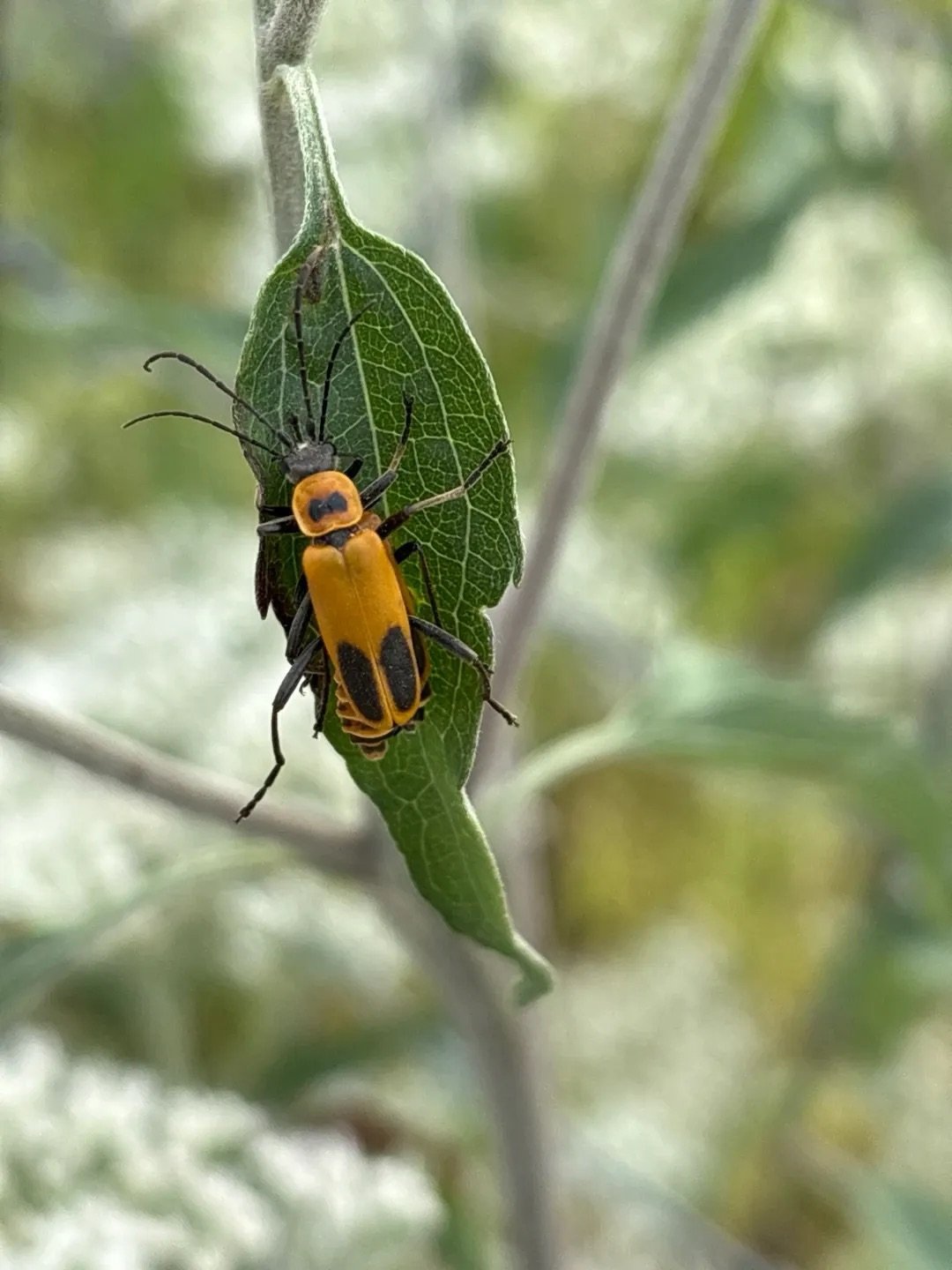
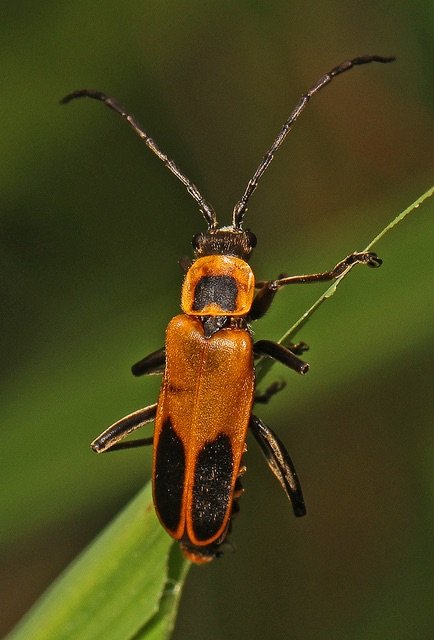
Goldenrod soldier beetles are often mistaken for wasps or other yellow-and-black insects at a glance. A closer look reveals classic beetle traits and soft, flexible bodies.
Key identification features:
- Size: About 10–13 mm long (roughly the length of your fingernail’s white tip).
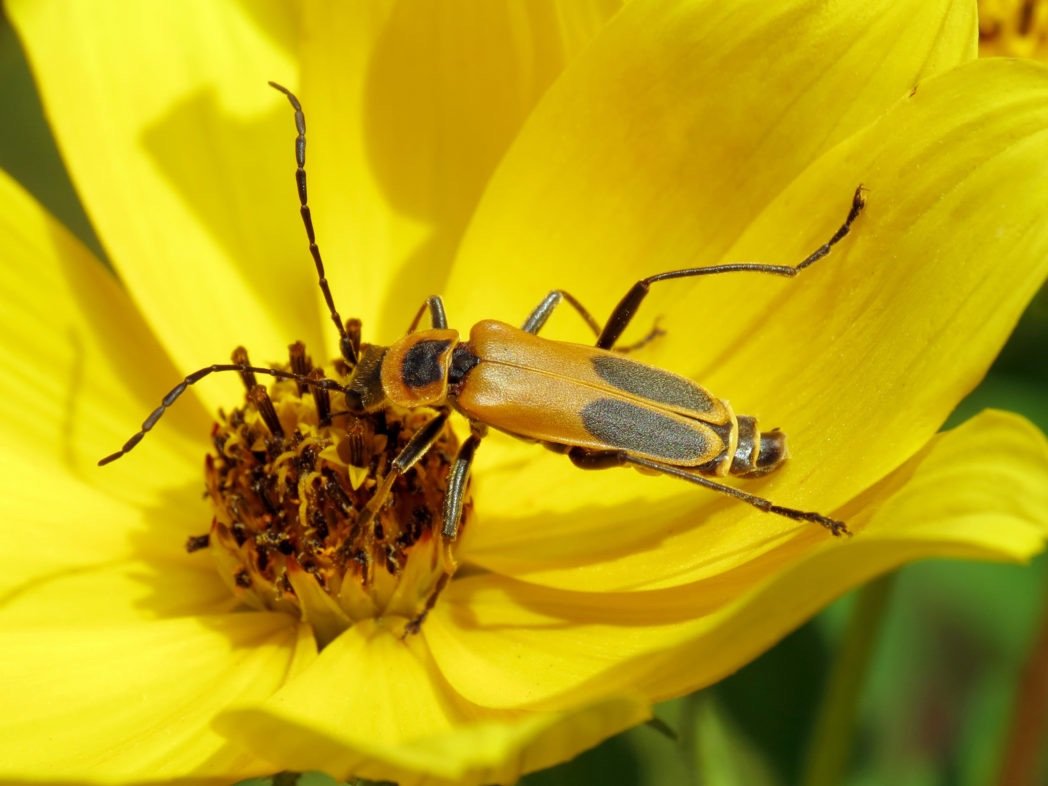
- Color: Yellow to orange body with black markings. The wing covers (elytra) are often yellow with a darker, sometimes rectangular or spot-like pattern near the tips. The head and thorax may be darker.
- Body: Slender, soft-bodied (unlike hard-shelled beetles), with long legs and antennae.
- Behavior: Frequently seen on flowers, often in pairs during mating season, moving deliberately as they feed on nectar, pollen, and small insects.
Pro tip: If you gently nudge a goldenrod soldier beetle, it won’t sting. It may, however, exude a tiny bit of defensive fluid that smells or tastes unappealing to predators. This helps keep them safe without harming people or pets.
Life Cycle: From Soil-Dwelling Hunter to Flower-Visiting Pollinator
Understanding the life cycle explains why you primarily see goldenrod soldier beetles late in the season and what habitat features help them thrive.
Typical cycle for Chauliognathus pennsylvanicus:
- Eggs: Laid in soil or leaf litter in late summer to early fall.
- Larvae: Predatory, living in the soil and under debris through fall and winter. They feed on other small invertebrates, eggs of pests, and soft-bodied insects.
- Overwintering: Larvae overwinter in the soil, protected by leaf litter and natural mulch.
- Pupation: In late spring to early summer, larvae pupate in the soil.
- Adults: Emerge mid- to late summer; you’ll see them gathering on abundant nectar and pollen sources like goldenrod, milkweed, coneflowers, and asters.
This timing is perfect for gardens: adults arrive when many pests are peaking and when late-season blooms need reliable pollinators. Keeping a bit of leaf litter and refraining from constant soil disturbance helps ensure the next generation survives.
What Do Goldenrod Soldier Beetles Eat?
Adults are flexible feeders and are known to consume:
- Nectar and pollen from goldenrod, asters, sunflowers, milkweeds, yarrow, and other composite flowers.
- Soft-bodied insects like aphids, small caterpillars, and insect eggs when available on flower heads and foliage.
Larvae are primarily predatory, patrolling the soil and leaf litter for small invertebrates. That makes the goldenrod soldier beetle a two-for-one helper: pollination services above ground and natural pest control below.
Why Gardeners Love the Goldenrod Soldier Beetle
The goldenrod soldier beetle may not get as much press as bees or butterflies, but it quietly provides two key benefits:
1) Pollination
As adults move from flower to flower for nectar and pollen, they inadvertently transfer pollen. While they’re not as specialized as bees, their sheer numbers during late summer can be a boon to gardens and wild plant communities. To dive deeper into pollinators’ crucial roles, explore learn all about bees.
2) Natural Pest Control
Adults and larvae both consume pest species. Adults will snack on aphids and small larvae on flower heads, while larvae help suppress soil-dwelling pests. This synergy supports an integrated pest management (IPM) approach, reducing your need for chemical controls.
Goldenrod Soldier Beetle vs. Look-Alikes
Because of their yellow-and-black coloration, goldenrod soldier beetles are frequently mistaken for other insects. Here’s how to tell them apart:
- Wasps: Wasps have a narrow “waist” and a hardened, shiny exoskeleton. Soldier beetles have soft, flexible wing covers and no stinger. If it’s calmly walking on flower heads and doesn’t have a pinched waist, it’s likely a beetle.
- Lightning Bugs (Fireflies): Fireflies (Lampyridae) are also soft-bodied beetles but usually have a more rounded thorax that can look like a shield over the head, and many species have light organs. Goldenrod soldier beetles do not glow.
- Blister Beetles: These can be brightly colored too but often have a more elongated, soft appearance with a pronounced neck region. Some blister beetles contain cantharidin (a blistering agent). Soldier beetles are not blister beetles and are generally harmless to people and pets.
- Net-winged Beetles: Often orange and black with a ribbed, net-like texture on the elytra. Soldier beetle wing covers look smoother and more leather-like.
When in doubt, watch the behavior. Goldenrod soldier beetles often appear in friendly clusters on goldenrod, asters, and similar flowers, calmly feeding in full daylight.
How to Attract Goldenrod Soldier Beetles to Your Yard
You don’t need a huge meadow to welcome goldenrod soldier beetles—just a pesticide-light or pesticide-free approach and a thoughtful plant mix.
Plant a late-summer buffet
Choose nectar- and pollen-rich natives with a long bloom window:
- Goldenrod (Solidago spp.) — the namesake magnet
- Asters (Symphyotrichum spp.)
- Sunflowers (Helianthus spp.)
- Coneflowers (Echinacea spp.)
- Milkweeds (Asclepias spp.)
- Yarrow (Achillea millefolium)
- Mountain mint (Pycnanthemum spp.)
- Joe-Pye weed (Eutrochium spp.)
Let the soil and leaf litter do some work
- Leave some leaf litter in fall. It shelters soldier beetle larvae and countless other beneficial insects.
- Avoid excessive tilling or raking; larvae pupate in soil and need stability.
- Use natural mulches (shredded leaves, straw) instead of plastic fabric to support soil life.
Reduce or eliminate broad-spectrum insecticides
Broad-spectrum insecticides don’t distinguish between pests and beneficial insects. An IPM mindset—scouting, spot-treating only when necessary, and encouraging predators—keeps your garden’s food web intact.
Add structural diversity
Mix perennials, grasses, and shrubs to create microhabitats. This layered structure supports a richer community of insects and birds. To see how this fits into a bigger backyard picture, explore these backyard wildlife facts.
Are Goldenrod Soldier Beetles Dangerous?
No. Goldenrod soldier beetles do not sting, don’t bite in any medically significant way, and aren’t interested in people or pets. If handled roughly, they may release a small amount of defensive fluid, which tastes bad to predators but is not harmful to humans or animals. If your curious dog or cat eats one, it’s generally a non-event—though ingesting lots of any insects can cause minor tummy upset.
Thinking about how insects intersect with family life and pets? You might enjoy the broader perspective in our insects and invertebrates hub and our animal behavior features across different species.
Myths and Misconceptions
- “They’re wasps.” They’re beetles—soft-bodied with flexible wing covers and no stinger.
- “They damage plants.” Adult soldier beetles feed mostly on nectar, pollen, and some small pests; larvae are predators. They’re plant allies, not plant enemies.
- “They infest homes.” Soldier beetles are outdoor insects; they’re attracted to flowers, not indoor spaces.
It’s easy to lump every small insect into “pest,” but a closer look reveals fascinating roles—even for ants, which many people overlook. For a friendly reality check on tiny neighbors, dive into ant facts and myths.
How Goldenrod Soldier Beetles Fit Into the Backyard Food Web
The goldenrod soldier beetle is part of a busy late-summer community. As goldenrod and asters light up the landscape, soldier beetles, bees, butterflies, and flies converge for nectar and pollen. Birds, spiders, and predatory insects in turn rely on these abundant insects for food—fueling migrations and fall nesting.
Consider a few connections:
- Bees: Native bees and honey bees share the same floral resources. Learn how to support them with our guide, learn all about bees.
- Hummingbirds: Late blooms also provide nectar to migrating hummingbirds. For quick tips and fascinating facts, see learn more about hummingbirds.
- Other insects: Not all backyard bugs are pests. Building awareness helps you distinguish friends from foes. Our insects and invertebrates category is a great place to explore more species.
Of course, some insects do test our patience—cockroaches, for instance, are better kept out of homes. If you’re curious about them from a natural history standpoint, check out learn all about cockroaches for a balanced overview.
Frequently Asked Questions About Goldenrod Soldier Beetles
Do goldenrod soldier beetles bite or sting?
No. They lack stingers and don’t seek to bite. If disturbed, they can exude a harmless but foul-tasting fluid as a deterrent to predators.
Are they beneficial to gardens?
Yes. Adults assist with pollination and opportunistically eat small pests on flowers. Larvae prey on soil-dwelling invertebrates, contributing to natural pest control.
Will they damage my plants or vegetables?
No. They don’t chew leaves or bore into stems. If you see them on vegetable blossoms, they’re there for nectar, pollen, or to hunt pests like aphids.
Why do I see them mostly in late summer?
That’s when adults emerge and when flowers like goldenrod and asters are in peak bloom. Their life cycle syncs with late-season nectar and pollen.
What if I don’t have goldenrod—will they still visit?
Yes. Planting a mix of late-blooming natives such as asters, coneflowers, sunflowers, and mountain mint provides similar benefits. Goldenrod is a magnet, but not a requirement.
How can I support the next generation?
Reduce soil disturbance, leave some leaf litter, and avoid broad-spectrum pesticides. Native plant diversity and natural mulch help larvae overwinter and pupate successfully.
Are there other soldier beetles I might see?
Yes. Species such as the margined leatherwing (Chauliognathus marginatus) look similar and have comparable habits. Identification can be subtle; behavior and bloom time often offer clues.
Simple, Science-Backed Tips for Welcoming More Goldenrod Soldier Beetles
- Plant for the season: Ensure continuous bloom from mid-summer into fall with goldenrod, asters, and companions.
- Build layers: Combine wildflowers with native grasses and a few shrubs for habitat complexity.
- Go easy on cleanup: Leave stalks and leaf litter until spring to protect overwintering larvae and other beneficials.
- Avoid broad-spectrum insecticides: Use targeted, least-toxic options only when necessary.
- Water wisely: Occasional deep watering supports flowering but avoid waterlogging, which can harm soil-dwelling stages.
- Observe: Watch who visits your flowers. Documenting seasonal arrivals helps you fine-tune plant choices for maximum ecological payoff.
If you enjoy spotting and identifying the many creatures that share your yard, there’s a whole world to discover. Keep exploring with our roundups of backyard wildlife facts and species spotlights across the insects and invertebrates category.
The Big Picture: Goldenrod, Flowers, and Biodiversity
The goldenrod soldier beetle is an emblem of late-summer abundance. When you see groups of these beetles on goldenrod plumes, you’re witnessing a biodiversity “hotspot” in miniature—pollinators fueling up, predators patrolling for prey, and plants exchanging pollen that will set seeds for the next generation.
Goldenrod sometimes gets an undeserved reputation for causing allergies, but it’s a case of mistaken identity: ragweed, which blooms at the same time, is wind-pollinated and releases airborne pollen that triggers sneezes. Goldenrod’s pollen is heavier and insect-carried. Planting goldenrod not only adds a beautiful golden glow to your landscape, it also supports a web of life that includes soldier beetles, native bees, butterflies, and birds. Pair those plantings with hummingbird-friendly blooms and you’ll provide even more late-season nectar; to round out your pollinator plan, check out learn more about hummingbirds.
As you cultivate a pollinator-friendly yard, remember that not every small creature is a pest. Ants, for example, aerate soil, clean up organic matter, and interact in complex ways with plants and other insects. If that piques your curiosity, you’ll enjoy our deep dive into ant facts and myths.
Closing Thoughts
The goldenrod soldier beetle is a quiet hero of the late-summer garden: a pollinator by day, a gentle predator when the opportunity arises, and a key thread in the seasonal fabric that ties plants, insects, and birds together. By planting late-blooming natives, reducing chemical inputs, and leaving a bit of wildness in your yard, you’ll roll out the welcome mat for this species and many more.
Ready to keep exploring the fascinating world of backyard critters and the plants that support them? Continue your journey with these helpful reads:
- Backyard wildlife facts you didn’t know
- Learn all about bees
- Browse insects and invertebrates
- Learn more about hummingbirds
- Learn all about cockroaches
When goldenrod blooms again, take a closer look—you’ll likely spot the goldenrod soldier beetle hard at work, helping your garden and the wider ecosystem thrive.