Meet the Tortoise: Nature’s Slow-Moving Survivors
If there’s one animal that proves “slow and steady wins the race,” it’s the tortoise. These long-living, hard-shelled reptiles have roamed the earth for millions of years—and they haven’t rushed a single step along the way.
Tortoises are known for their incredible lifespan, their domed shells, and their calm, steady personalities. You’ll find them slowly making their way through deserts, grasslands, forests, and even volcanic islands. Some live in the wild, while others live in backyards as beloved pets.
And while they’re related to turtles, tortoises are very much their own thing. They’re built for land, not water. They’re sturdy, quiet, and surprisingly fascinating once you get to know them.
Ready to explore one of nature’s oldest and most interesting creatures? Let’s dig in.
Where Do Tortoises Live?
Tortoises are spread across several continents, but you won’t find them everywhere. They don’t live in the oceans or cold, frozen places. Instead, they’ve adapted to thrive in dry, warm environments across parts of Africa, South America, North America, Asia, and even parts of Europe.
Different species prefer different kinds of terrain. Some tortoises, like the desert tortoise, live in rocky, sun-baked deserts. Others, like the Indian star tortoise, can be found in grasslands and dry forests. Then there are the massive island dwellers, like the Galápagos tortoise, which roam lush volcanic slopes surrounded by ocean.
If you’re curious about other animals that share these regions, be sure to visit our Critters of South America, Critters of Africa, and Animals of North America sections to discover who their neighbors might be.
Habitat Hall of Fame: Deserts, Grasslands & Islands
Tortoises have an amazing ability to survive in some of the toughest habitats on the planet. That slow pace? It helps them conserve energy in environments where food and water aren’t always easy to find.
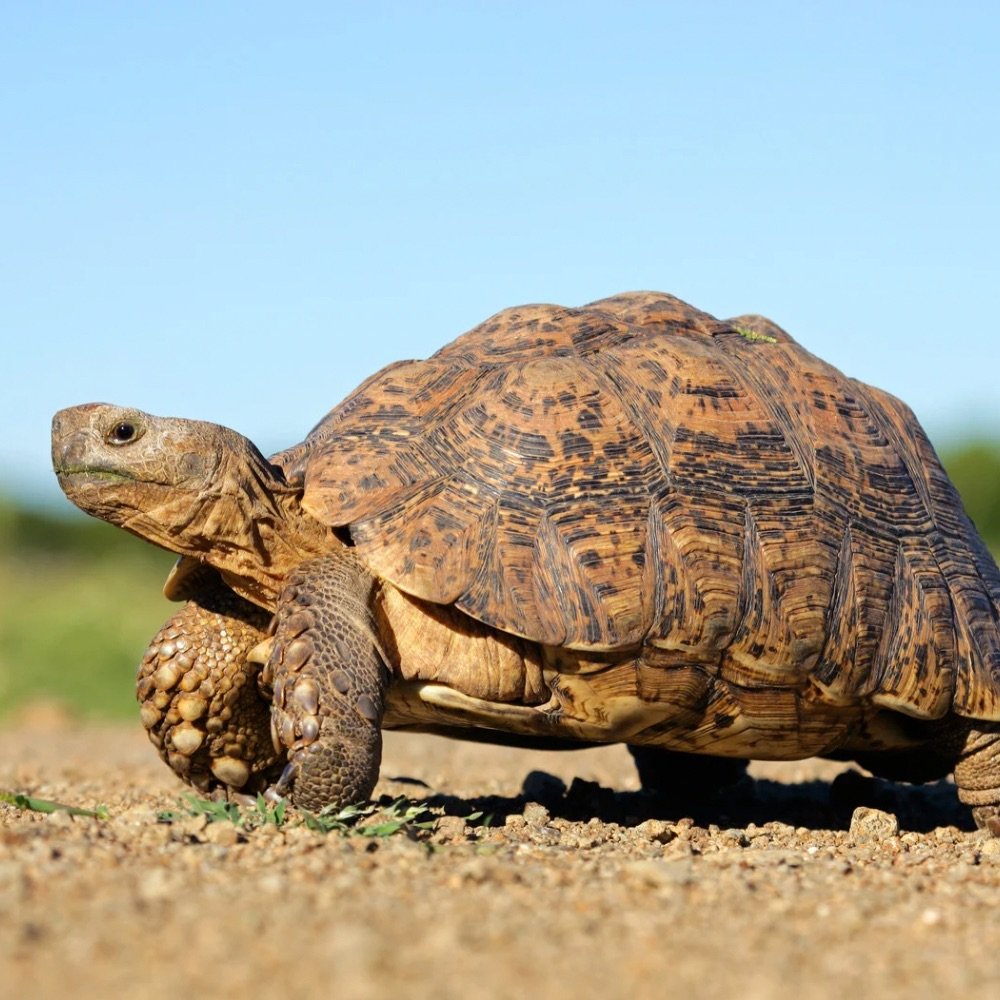
In the deserts of North America, the desert tortoise survives by digging underground burrows that keep it cool during the day and warm at night. In Africa’s savannas, the leopard tortoise roams through tall grasses, helping to spread seeds and fertilize soil along the way.
Then there are the remote islands—like the Galápagos and Aldabra Atoll—where giant tortoises have evolved in isolation for centuries. Their habitats are rich in shrubs, cacti, and grasses, and with few natural predators, they’ve had the chance to grow massive and live extraordinarily long lives.
Wherever they live, tortoises tend to stick close to what they know. They often stay within a home range, slowly working their way between favorite feeding and resting spots.
Tortoise Diet: What Do They Eat?
Tortoises are mostly herbivores, which means they eat plants—and lots of them. Depending on the species and habitat, their diet might include grasses, leafy greens, cactus pads, flowers, fruits, and even the occasional mushroom.
Some species will also nibble on snail shells, bones, or animal droppings to get extra calcium or minerals, especially in nutrient-poor environments. But for the most part, tortoises stick to vegetation.
Pet tortoises often eat a mix of dark leafy greens, hay, and vegetables, along with specially formulated tortoise pellets. It’s important to avoid fruits for some species, as too much sugar can upset their digestion.
Want to learn more about animals that share a plant-based diet? Check out other plant-munching critters like rabbits in our mammals section or explore more reptiles in reptiles and amphibians.
How Long Do Tortoises Live?
If you want a lifelong companion, a tortoise might be the closest you’ll ever get. These shelled wonders are famous for their incredible lifespans, with some living over 100 years in the wild—and even longer in captivity.
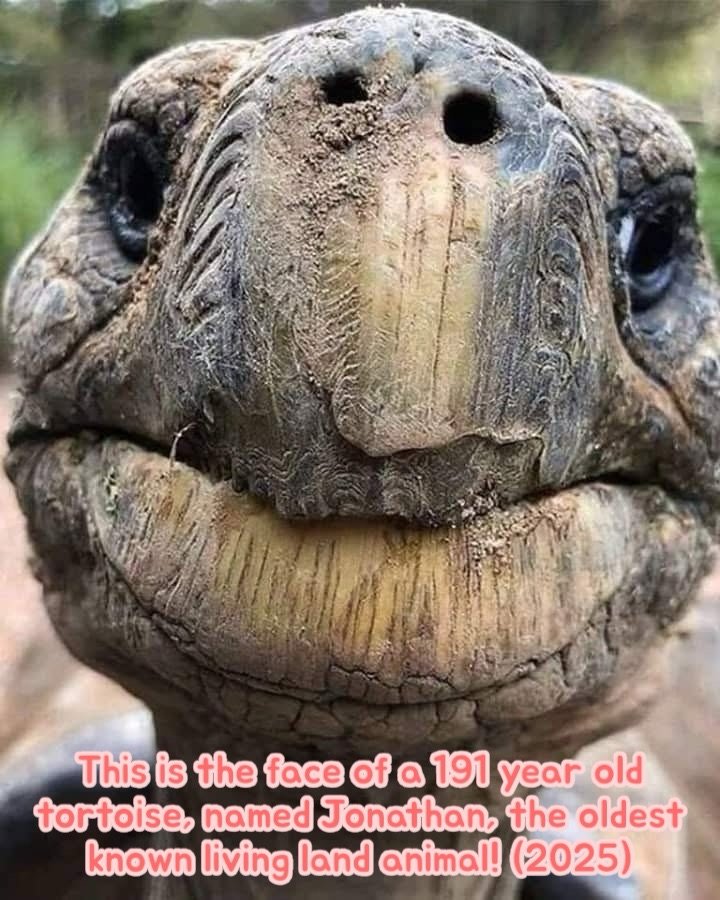
The Galápagos tortoise, one of the most well-known species, can easily live to be 150 years old or more. One tortoise named Jonathan—a Seychelles giant—holds the title of oldest living land animal at over 190 years old!
Of course, not all tortoises live quite that long. Smaller species like the Russian tortoise may live around 40 to 60 years, but that’s still longer than most pets. Proper care, diet, and habitat make a big difference in how long they thrive—especially if you’re raising a pet tortoise at home.
If you’re fascinated by these long-lived creatures, dive deeper into our tortoise category to explore more about their lifespan, care, and history.
Tortoise vs Turtle: What’s the Difference?
People often mix up tortoises and turtles, but they’re built for two totally different lifestyles.
Tortoises are land dwellers, with sturdy, elephant-like legs and high-domed shells that protect them as they crawl over dry, rocky terrain. Turtles, on the other hand, tend to live in or around water. They have webbed feet or flippers for swimming, and their shells are usually flatter and more streamlined.
Another fun difference? Tortoises are usually vegetarians, while many turtles will eat insects, fish, or carrion depending on their species.
Next time you see a shelled reptile slowly moving across your yard or soaking up the sun, take a closer look—it might help you tell if it’s a true tortoise or a water-loving turtle. And if you’re more curious about our aquatic shelled friends, check out all our content in the fresh water creatures section too.

Unique Shells and Armor
A tortoise’s shell isn’t just for show—it’s a lifesaving piece of armor. Made from over 50 fused bones, including the spine and ribs, the shell is a living part of their body. That’s why you should never pick up a tortoise by its shell or tap on it like it’s just a rock.
Shells come in all shapes and sizes, depending on the tortoise’s habitat and behavior. For example:
- High-domed shells help desert tortoises deflect the hot sun and predators.
- Flattened or saddleback shells make it easier for island species to stretch their necks upward for higher vegetation.
- Coloration helps tortoises blend into dry grass, sand, or forest floors.
Want to explore other fascinating animal defenses? Browse creatures in our reptiles and amphibians section who use camouflage, color, and armor in surprising ways.
How Tortoises Communicate
Tortoises may seem quiet, but they’ve got their own ways of talking to the world.
When two males meet—especially during mating season—they’ll often bob their heads, hiss, grunt, or even ram into each other. It’s their way of showing dominance and protecting territory.
During courtship, males might circle females or make clicking and grunting sounds. It’s not exactly romantic by human standards, but in the tortoise world, it gets the job done.
They also communicate through body language. If a tortoise pulls into its shell, it’s usually scared or trying to avoid conflict. A relaxed tortoise, on the other hand, will slowly stretch out its neck, blink, and casually roam around without much worry.
Some species, like the pancake tortoise, will wedge themselves into tight rock crevices and flatten their body, using stealth instead of strength. Learn more about these rare and lesser-known species in our deep dive on tortoises where every detail matters.
What Do Tortoises Eat?
Tortoises are mostly herbivores, meaning they chow down on plants, not meat. But their exact diet depends a lot on where they live.
In the wild, you’ll see tortoises grazing on:
- Grasses
- Leafy greens
- Cactus pads
- Fruits and flowers
- Weeds and succulents
Some species like the desert tortoise are used to dry, sparse diets, while tropical tortoises enjoy juicy fruit and lush greens. Captive tortoises do best with a mix of high-fiber, low-protein foods, like dandelion leaves, endive, and the occasional strawberry.
You can get more in-depth info on species-specific diets in our full tortoise category—it’s your go-to spot for raising a healthy, happy tortoise.
Where in the World Do Tortoises Live?
Tortoises live on every continent except Antarctica, and their habitats are just as diverse as they are. You’ll find them thriving in:
- Africa, home to massive Sulcata tortoises
- Asia, where species like the Indian star tortoise live
- South America, with tropical types like the red-footed tortoise
- North America, where gopher tortoises dig long burrows
- Europe, home to the smaller Hermann’s tortoise
- And even remote islands, like the Galápagos and Seychelles
Click around our different creature categories like African animals, South American animals, and North American wildlife to see the many critters tortoises share their environment with.
Why Do Tortoises Live So Long?
There’s still a lot we don’t fully understand about their longevity, but science points to a few key reasons why tortoises are some of the longest-living animals on Earth:
- Slow metabolism: They burn energy at a snail’s pace.
- Protective shells: Fewer predators = longer lives.
- Simple lifestyle: They aren’t big on stress or high-risk activities.
- Cellular resistance: Tortoises may age slower at the cellular level.
Some researchers are even studying tortoises for anti-aging insights. Wild, right?
If you’re into long-lived creatures, you might also enjoy learning about ancient amphibians and reptiles in our reptiles & amphibians section—tortoises aren’t the only ones with a long story to tell.
Types of Tortoises You Should Know
There are dozens of tortoise species, but here are a few standouts:
- Galápagos tortoise: Giant, iconic, and found only on the Galápagos Islands
- Aldabra tortoise: Native to the Seychelles, nearly as big as the Galápagos type
- Sulcata tortoise: The third-largest tortoise, popular as a pet in the U.S.
- Russian tortoise: Small, hardy, and beginner-friendly
- Leopard tortoise: Known for its beautiful, spotted shell
- Red-footed tortoise: Colorful, tropical, and fun to observe
Each one has its own unique care needs, habitat, and personality. You can explore more about these awesome shelled wonders in our full tortoise section with care guides, species facts, and more.
Tortoise Behavior: What Do They Do All Day?
Tortoises might seem slow and chill, but their behavior is surprisingly interesting when you take time to watch.
They spend a good chunk of their day:
- Basking in the sun to regulate body temperature
- Grazing and foraging slowly across their area
- Digging shallow pits to stay cool or lay eggs
- Exploring their environment, especially if it changes
Tortoises also communicate—just not like we do. They might hiss, bump shells, or stomp around when feeling territorial. If you’re raising one, they may even learn to recognize your voice or footsteps.
We talk more about fascinating animal behavior in creatures like green tree frogs and other reptiles in our reptiles & amphibians section.
How Do Tortoises Reproduce?
Tortoises reproduce by laying eggs, and mating usually happens in the spring or early summer. Here’s how it works:
- Males court females by following, bumping shells, and even vocalizing.
- After mating, the female finds a warm, soft patch of soil to dig a nest.
- She lays a clutch of eggs (anywhere from 2 to 30 depending on the species).
- Eggs incubate for 90 to 120 days, sometimes longer.
Tiny baby tortoises hatch with soft shells and start their slow journey through life completely on their own—no parenting involved.
If you’re curious about other creatures that lay eggs, hop over to our section on fresh water creatures where plenty of frogs and fish do the same.
Why Do Tortoises Dig So Much?
If you’ve seen a tortoise, you’ve probably seen them digging—and it’s not just random.
They dig for several reasons:
- To cool off in the heat of the day
- To lay eggs in a secure underground nest
- To create burrows for sleeping or hiding from predators
- To seek moisture during dry seasons
Some tortoises, like the gopher tortoise, are especially skilled at digging deep, complex tunnels that even other animals use as shelter. Their burrows help entire ecosystems, making them a keystone species in their environment.
To learn more about species that impact ecosystems, check out animals of North America—many critters depend on tortoise burrows to survive.
How Fast Do Tortoises Grow?
Tortoises grow very slowly, which is part of why they live so long. Most hatchlings start out tiny—about the size of a golf ball—but depending on the species, they can eventually weigh hundreds of pounds.
Growth depends on:
- Species
- Diet
- Sunlight exposure (for shell health)
- Living conditions
For example, a Sulcata tortoise might grow to over 100 pounds within 15–20 years. Others like the Russian tortoise stay much smaller their entire lives.
If you’re into watching animals grow and change, we’ve got some cool stories and info in the critters corner section too.
Tortoise vs. Turtle: What’s the Real Difference?
Tortoises and turtles might seem similar at first glance (they both have shells and move at a chill pace), but they’re not the same animal—and the differences are pretty important.
Here’s what sets them apart:
- Habitat: Tortoises live on land. Turtles spend much of their life in water—especially fresh or salt water depending on the species.
- Feet: Tortoises have stubby, elephant-like feet for walking on solid ground. Turtles have webbed feet or flippersmade for swimming.
- Shell Shape: A tortoise shell is usually more domed and heavier. A turtle shell tends to be flatter and lighter to make swimming easier.
- Diet: Tortoises are mostly herbivores, munching on grasses, leaves, and veggies. Turtles may eat plants and small insects, fish, or crustaceans.
It’s a common mistake to mix them up, so we created an entire turtle facts section to help you learn more about their world.
Whether you’re diving into freshwater turtles, sea turtles, or comparing shells, there’s a whole underwater side to this story that tortoises simply don’t live in.
How Big Do Tortoises Get?
Tortoises can range from just a few inches long to absolutely massive. The Speckled Cape tortoise, one of the smallest species, barely hits 4 inches. On the other end, the Galápagos tortoise can stretch over 5 feet long and weigh up to 900 pounds. Yep—900 pounds of pure, slow-moving power.
This huge variation is one of the many things that make tortoises so fascinating. If you’re into learning more about massive land creatures like these, you’ll also enjoy diving into our section on other giant critters from around the world.
Why Do Tortoises Live So Long?
One of the most mind-blowing things about tortoises is their incredible lifespan. Some species routinely live over 100 years, with a few even reaching 150+ years in the wild or captivity. That means a tortoise you meet today might outlive you, your kids, and your grandkids. 🐢💯
So what’s the secret to their longevity?
- Slow metabolism – they don’t burn energy quickly
- Strong protective shells – helps them avoid predators
- Stress-free lifestyle – they literally take life one slow step at a time
Their longevity is legendary, and we cover even more long-living creatures over in our Explore Critters longevity zone (coming soon!).
Can Tortoises Swim?
This is a question people ask all the time: can tortoises swim like turtles?
Short answer: not really. Tortoises are land-dwellers. They don’t have flippers, and their bodies aren’t built for buoyancy. In fact, if you put a tortoise in water that’s too deep, it could drown. That’s a big reason why tortoises and turtles aren’t interchangeable.
If you’re interested in water-dwelling species, check out our fresh water creatures category for those who thrive in lakes, rivers, and ponds.
Do Tortoises Hibernate?
Yes, but it depends on the species and where they live. In colder climates, tortoises often go through brumation, which is like hibernation for reptiles. During this time, they:
- Stop eating
- Move very little
- Sleep in a burrow or hideout
For example, the desert tortoise of North America will brumate through chilly winters to survive the harsh desert drop in temperature.
If you’re interested in other creatures with cool seasonal habits, be sure to swing by our section on critters of North America where these behaviors are surprisingly common.
Are Tortoises Good Pets?
They sure can be—but with a big asterisk. Tortoises need plenty of space, the right temperature and humidity, and a very specific diet. And remember… some species live over 100 years, so adopting one is a lifelong commitment (and then some!).
If you’re thinking of adding a shelled friend to your home, make sure to do your homework. You can also check out our growing collection of pet critters to see which animals make the best companions and what they need.
How Can You Tell a Tortoise’s Age?
You can’t just count rings on the shell like a tree—but that’s a common myth! While tortoises do get growth rings, they’re not consistent or accurate enough to give you a real age. The best way to tell a tortoise’s age is by knowing when it hatched and keeping good records.
For wild tortoises, scientists often estimate age based on size and shell wear. But it’s tricky!
What Threatens Tortoise Populations Today?
Many tortoise species are under serious threat from:
- Habitat destruction
- Illegal pet trade
- Pollution
- Invasive species
Tortoises, especially slow-moving ones like the ploughshare tortoise, are easy targets for poachers. That’s why many are now protected by international laws and conservation programs.
You can explore more endangered species and what’s being done to protect them on our site.
Comparing Tortoise vs Turtle: What’s the Difference?
It’s a question that even adults get mixed up all the time. So let’s break it down real clear:
- Tortoises live entirely on land, have domed shells, and stumpy feet for walking.
- Turtles are built for water with webbed feet or flippers, and flatter, more streamlined shells.
They’re both reptiles and part of the same order (Testudines), but they’ve evolved for very different lifestyles.
Learn more about their shelled cousins in our full guide to turtles!
Explore More About the World of Tortoises
There’s still so much to uncover about tortoises—from rare species hidden in remote parts of Africa to backyard tortoises living long, happy lives with human families. If you’re hungry for more facts, unique species breakdowns, and first-hand insights, keep following our tortoise hub—we’re constantly adding more stories, care tips, and discoveries.