Raccoons: The Ultimate Guide to Clever, Curious Neighbors in Your Backyard
Few wild animals spark as much curiosity—and debate—as raccoons. These masked mammals are intelligent, adaptable, and surprisingly social, thriving in forests, suburbs, and big cities alike. Whether you’ve spotted raccoons rifling through a trash can, leaving little hand-like tracks across the garden, or peeking from a hollow tree, learning more about them can turn frustration into fascination. This in-depth guide explores raccoon behavior, diet, habitats, safety, humane prevention, and the myths versus facts that surround them, so you can coexist confidently with one of North America’s most resourceful creatures.
What Are Raccoons? Quick Species Snapshot
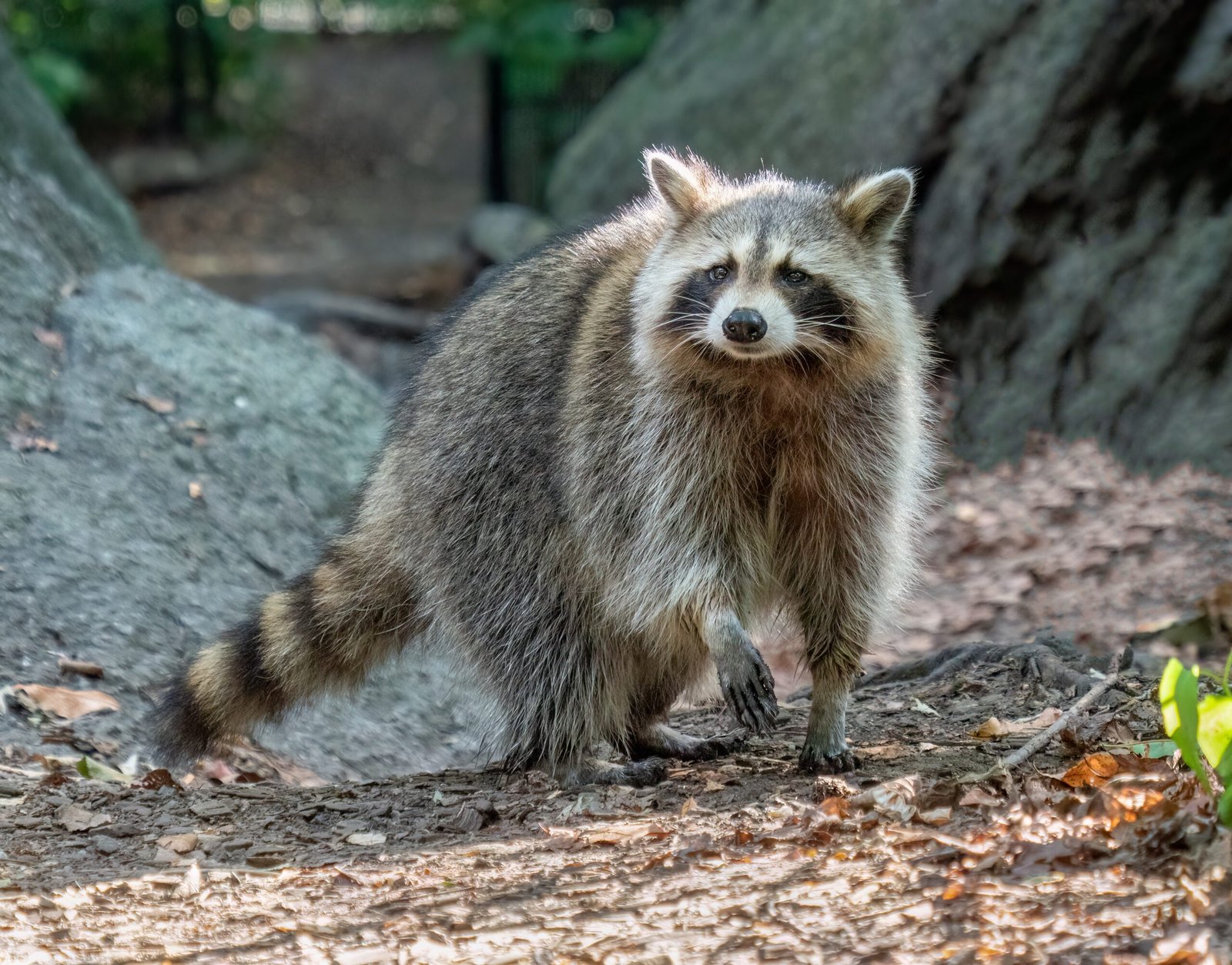
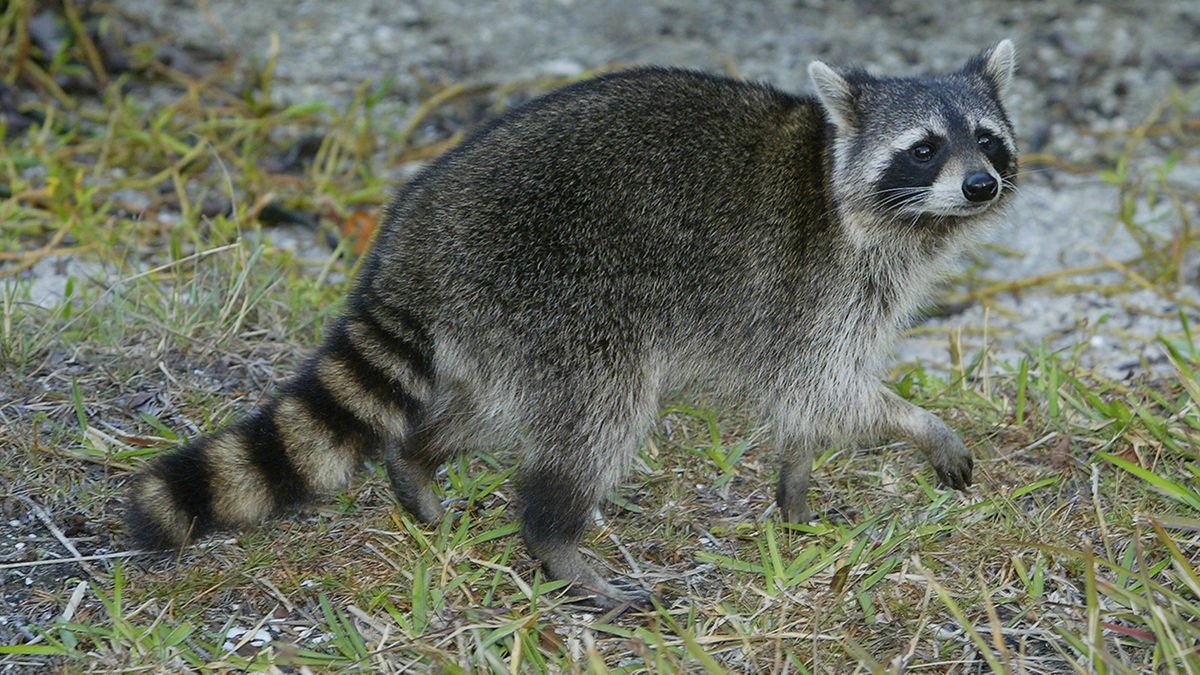
Raccoons (Procyon lotor) are medium-sized mammals native to North America, easily recognized by their ringed tails and black “bandit” masks. Adults typically weigh 10–30 pounds, though urban raccoons can be heavier due to abundant food. They’re omnivores with dexterous front paws and a brain-to-body ratio that supports impressive problem-solving skills. Raccoons live 2–3 years in the wild on average (longer in protected environments), with high juvenile mortality offset by strong reproductive success when food and den sites are plentiful.
- Range: Widespread across North America; introduced in parts of Europe and Japan
- Activity: Primarily nocturnal, but daytime sightings happen (especially in spring with nursing mothers)
- Reproduction: Mating occurs late winter to early spring; litters of 2–5 kits
- Lifespan: 2–3 years in the wild on average; can live much longer in captivity
Raccoon Behavior: Nightlife, Intelligence, and Social Habits
Raccoons are famous for their curiosity and problem-solving. They can unlatch doors, open containers, and remember solutions for months. While often solitary, raccoon social structures can be surprisingly nuanced. Females (called sows) maintain smaller territories centered around den sites and food sources, while males (boars) can have larger overlapping ranges and may form loose bachelor groups.
Communication is rich and varied. Raccoons vocalize with chirps, growls, trills, and screams, and they mark and learn from scent trails. The iconic “washing” behavior—dipping food in water—is less about cleanliness and more likely about tactile sensitivity; raccoon forepaws are packed with nerve endings, and moisture enhances their touch.
Diet: What Do Raccoons Really Eat?
The short answer: almost anything. Raccoons are classic opportunistic omnivores. In wild settings, they eat fruits, nuts, seeds, insects, frogs, crayfish, fish, eggs, and small mammals. In urban and suburban areas, their menu expands to include pet food, compost, birdseed, fallen fruit, and garbage.
- Spring: Earthworms, insects, amphibians, and bird eggs
- Summer: Fruits, berries, garden produce, insects, and small vertebrates
- Fall: High-calorie nuts and acorns for fattening up
- Winter: Whatever is accessible near dens—often trash or stored foods
Raccoons love water-rich environments like streams and ponds where they can find aquatic prey. If you enjoy learning how wild animals shape ecosystems through their eating habits, you may also like this deep dive on nature’s engineers: beavers and their remarkable diets and dams.
Where Raccoons Live: Dens, Territories, and Urban Adaptation
Raccoons are den generalists. Natural dens include hollow trees, rock crevices, and ground burrows. In urban areas, raccoons use attics, crawl spaces, chimneys, and outbuildings—warm, safe, and often conveniently close to food. They tend to maintain multiple dens and may rotate among them, especially when caring for kits or avoiding predators.
Territoriality varies with sex and resource availability. Females guard den areas more tightly during the breeding season, while males’ territories may overlap widely. Access to consistent food (like unsecured trash or pet food) can reduce travel distances and increase local raccoon density—one reason backyard “raccoon traffic” can spike in cities.
Raccoons vs. Other Backyard Wildlife
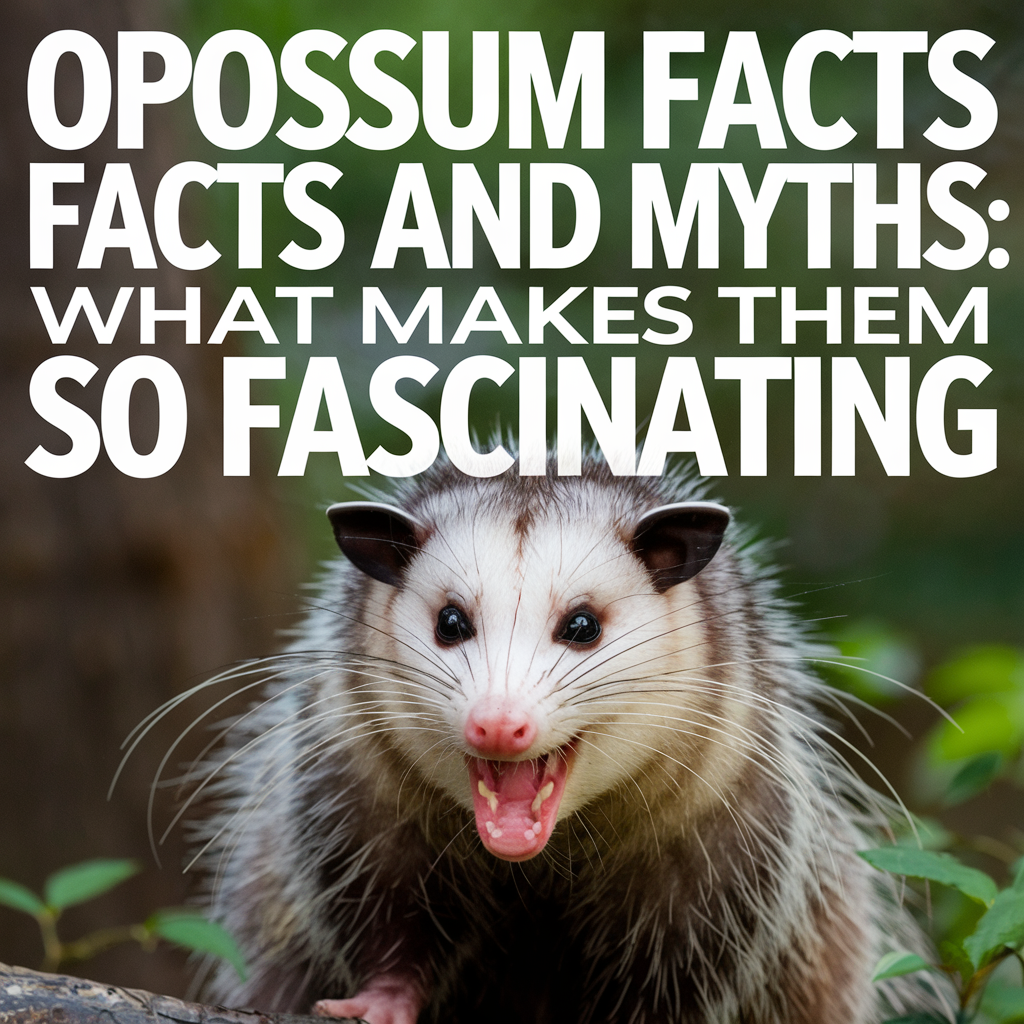
Raccoons share neighborhoods with skunks, squirrels, opossums, foxes, and many bird species. Understanding the differences helps with identification and coexistence strategies. For instance, opossums are slower and less confrontational than raccoons, and they’re surprisingly beneficial in yards, consuming ticks and carrion. Dive deeper into how opossums differ from raccoons in behavior and reputation with this helpful overview: opossum facts and myths. And if you’re building a broader picture of your yard’s ecosystem, you’ll love these backyard wildlife facts you may not know.

Are Raccoons Dangerous? Health Risks and Safety
Most raccoons avoid direct conflict. However, like any wild animal, they can defend themselves if cornered or habituated to humans through feeding. Key risks to consider:
- Rabies: Raccoons are a primary reservoir in some regions. Not every raccoon out by day is rabid—mothers with hungry kits often forage when they can—but any sick-acting raccoon (staggering, unusually aggressive, unresponsive) should be avoided and reported to local authorities.
- Leptospirosis: A bacterial disease spread through urine-contaminated water or soil.
- Raccoon roundworm (Baylisascaris procyonis): Eggs can be present in raccoon feces; avoid disturbing latrines and use protective gear when cleanup is necessary.
Practice smart hygiene: never feed raccoons, secure food and trash, and keep pets vaccinated. If you’re comparing disease concerns among common backyard mammals, you may find this overview useful: Do opossums carry diseases or attack? It highlights how risk varies by species and circumstance.
Living Peacefully with Raccoons: Prevention and Humane Solutions
You don’t need to battle raccoons to keep them out of trouble. Focus on reducing attractants and blocking access. Humane, preventative steps work best long-term:
- Secure trash: Use wildlife-resistant bins with tight lids. Add a bungee or strap if needed.
- Remove food sources: Bring pet food indoors at night; keep grills clean; manage compost carefully.
- Protect gardens: Use hardware cloth around vulnerable beds, install low electric fencing where legal, and harvest ripe produce promptly.
- Block entry points: Seal gaps larger than 2 inches around roofs, vents, soffits, and foundations. Cap chimneys with a secure screen. Always check for babies before sealing.
- Use deterrents: Motion-activated lights, sprinklers, and noise can dissuade brief visits—most effective alongside food control and exclusion.
- Secure chicken coops: Lock doors and latches at night; raccoons can open simple latches—use carabiners or two-step locks.
When in doubt, consult a licensed wildlife-control professional who uses humane, exclusion-focused techniques and checks diligently for kits during spring and early summer.
Raccoons and Pets: Protecting Dogs and Cats
Raccoons generally prefer to avoid dogs and cats, but conflicts can occur—especially around food or dens. Keep interactions safe:
- Feed pets indoors or pick up bowls immediately after meals.
- Supervise small pets outdoors, particularly at night.
- Keep dogs on-leash during nighttime walks; avoid areas with known raccoon dens.
- Keep vaccines current and discuss parasite prevention with your veterinarian.
If you’re exploring pet behavior in the broader context of family life, these reads offer helpful perspective: dog facts and myths and a deep dive into canine protective instincts: Are female dogs more protective than males?
Identifying Raccoon Signs: Tracks, Scat, Sounds, and Damage
Even if raccoons stay out of sight, they leave clues:
- Tracks: Raccoon prints look like tiny hands, with five fingers on front and hind feet. Hind prints are longer, resembling a small human foot.
- Latrines: Raccoons often defecate in communal sites (flat rocks, roof corners, woodpiles). Handle suspected latrine areas with extreme care, using gloves and masks and following local health guidance.
- Sounds: Chittering, growling, and trilling—especially near den sites. Kits make high-pitched cries.
- Damage: Torn soffits, pried shingles, tipped trash cans, disturbed sod (from grubs), and raided bird feeders or coops.
Raccoon Myths vs. Facts
- Myth: Raccoons “wash” their food because it’s dirty. Fact: The dunking behavior heightens tactile sensation—those nimble paws are the raccoon’s primary sensory tool.
- Myth: A raccoon seen during the day must be rabid. Fact: While abnormal behavior can signal disease, daytime foraging—especially by nursing mothers—is not unusual.
- Myth: Trapping and relocating fixes the problem. Fact: Without removing attractants and sealing entry points, new raccoons often move in. Humane exclusion and prevention solve the root cause.
- Myth: Raccoons can’t climb smooth surfaces. Fact: They’re exceptional climbers with strong claws and forelimbs. Even “smooth” fences may be scalable if there are adjacent footholds.
Seasonal Raccoon Calendar: What to Expect Through the Year
- Late Winter–Early Spring: Mating season; increased movement; risk of attic exploration for denning.
- Spring–Early Summer: Birth of kits; mothers prioritize safe, warm dens; daytime sightings may rise as mothers forage more.
- Summer: Juveniles explore and learn to forage; curiosity peaks—so does mischief near unsecured food.
- Fall: Fattening up for winter; heavy feeding on nuts and high-calorie foods; more yard visits if food is accessible.
- Winter: Raccoons don’t hibernate, but they often enter torpor—periods of inactivity in dens during severe cold. They’ll emerge for mild spells to feed.
If a Raccoon Is in Your Attic or Yard: Step-by-Step What to Do
- Stay calm and observe from a distance. Don’t corner the animal.
- Check for babies if it’s spring or early summer. Listen for high-pitched chirps from walls or ceilings.
- Remove attractants. Secure trash, pet food, and compost immediately.
- Encourage voluntary departure. Use bright lights, gentle noise, or commercial repellents (in accordance with local laws). Avoid harsh harassment if kits may be present.
- Seal entry points after you’re certain all raccoons have left. Install chimney caps and repair soffits with sturdy materials.
- Call a licensed wildlife professional if you suspect babies are present or you’re unsure about safe exclusion.
Never attempt to handle raccoons. Bite and disease risks are real, and local regulations often govern wildlife removal and transport.
How Raccoons Fit Into Your Backyard Ecosystem
Raccoons contribute to ecosystems by dispersing seeds, controlling some insect and rodent populations, and cleaning up carrion. Of course, they can also be tough on nestling birds or backyard ponds if resources are easy to access. Thoughtful yard design—native plantings, secured human food sources, and balanced habitat—reduces conflict while supporting biodiversity. If you’re building a wildlife-friendly space, these backyard wildlife insights can help you plan with both beauty and balance in mind.
Family Nature Learning: Turning Raccoon Encounters into Education
Seeing raccoons can be a great teaching moment for kids. From tracking prints in mud to discussing nocturnal behavior and food webs, raccoons can spark curiosity about ecology, ethics, and responsibility. Keep learning going by observing other approachable species—cardinals at feeders, bees on flowers, or bats at dusk. For a bird-focused gateway into backyard science, try this accessible overview: all about birds.
Frequently Asked Questions About Raccoons
Do raccoons hibernate?
No. Raccoons enter periods of torpor during very cold weather but will wake to forage during warmer spells.
Are raccoons nocturnal?
Generally yes, but daytime activity is not inherently abnormal—especially in spring for nursing mothers.
Can raccoons climb fences or walls?
They’re excellent climbers. They can scale many fences, trees, and even some textured walls. Prune overhanging branches and remove “ladders” (woodpiles, trellises) near roofs.
How do I keep raccoons out of my trash?
Use wildlife-resistant containers, strap lids, and set out bins the morning of pickup rather than the night before. Rinse cans, keep the area clean, and avoid overflow.
What if I find a baby raccoon?
Don’t touch. Observe from a distance. The mother may be nearby. Contact a licensed wildlife rehabilitator or animal control for guidance; handling without training can harm the animal and pose health risks.
Are raccoons good or bad for the yard?
They’re neither strictly good nor bad; they’re part of the ecosystem. With attractants managed and access controlled, conflicts drop and natural roles—like seed dispersal—become more apparent.
Responsible Observation and Safety Tips
- Never feed raccoons intentionally; it encourages risky habituation.
- Watch from a distance; use binoculars or trail cameras.
- Teach children to admire wildlife without approaching or touching.
- Store birdseed securely at night. If raccoons raid feeders, bring them in overnight or install baffles.
- Follow local regulations on wildlife control and exclusion.
Key Takeaways for Coexisting with Raccoons
- Prevention beats confrontation: secure food, seal entry points, and manage habitat.
- Health risks exist but are manageable with common-sense precautions and pet vaccinations.
- Most conflicts can be solved humanely—without trapping or relocating.
- Raccoons are intelligent, adaptable neighbors that can be fascinating to observe from a respectful distance.
Resources and Further Reading
- Explore more about raccoons and related species in our raccoon articles and broader Animals of North America collection.
- Compare how other backyard mammals live and help ecosystems: Opossum facts and myths.
- Understand disease risks across species to make smart, safe choices: Do opossums carry diseases or attack?
- Build a wildlife-smart yard with these backyard wildlife facts and tips.
- For pet owners navigating wildlife encounters, start with dog facts and myths for context on canine behavior.
- Curious about other ecosystem shapers? Learn about beaver engineering here: nature’s greatest engineers.
With a little knowledge and a few smart adjustments, raccoons can shift from midnight nuisances to remarkable reminders that wild nature is all around us—even on the porch steps. By managing attractants, sealing access, and observing respectfully, you’ll protect your home, your pets, and the raccoons themselves, while gaining a front-row seat to one of the cleverest animals in the neighborhood.