
Meet the Rabbit: A Gentle Survivalist Hiding in Plain Sight
If you’ve ever paused at dawn to watch a cottontail freeze in the dew, you know the tug rabbits have on the heart. Today I’m sharing rabbit facts and information that go beyond the basics—details I’ve learned from years of observing them in backyards, meadows, and responsible home setups. Whether you’re a curious nature lover, a parent answering a flurry of “why” questions, or someone considering a companion rabbit, this guide pulls together the most useful rabbit facts and information in a friendly, easy-to-skim format, grounded in real biology and best practices.
Along the way, I’ll also point you to helpful resources on related wildlife, like these backyard wildlife facts that can make your outdoor space safer and more interesting. And if you want to keep exploring, we keep an updated hub of rabbit-focused content here
What Rabbits Are (And What They Aren’t)
One of the most important rabbit facts and information to get straight right away: rabbits are not rodents. They’re lagomorphs, members of the order Lagomorpha (family Leporidae). What sets lagomorphs apart?
– Rabbits have an extra pair of small “peg teeth” behind their top front incisors.
– Their teeth grow continuously, which is why constant chewing of fibrous plants is essential.
– They are hindgut fermenters, meaning they digest tough plant fibers via a specialized cecum.
A quick taxonomy snapshot:
– European rabbit: Oryctolagus cuniculus (the ancestor of most domestic breeds)
– North American cottontails: Sylvilagus species (not domesticated, and they don’t form large warrens)
This distinction clears up a lot of confusion when people compare wild bunnies in their yard to the rabbits found in pet stores or rescues.

Wild vs. Domestic: Two Very Different Lives
If you’re hunting for rabbit facts and information to help you tell wild from domestic behavior, this is key:
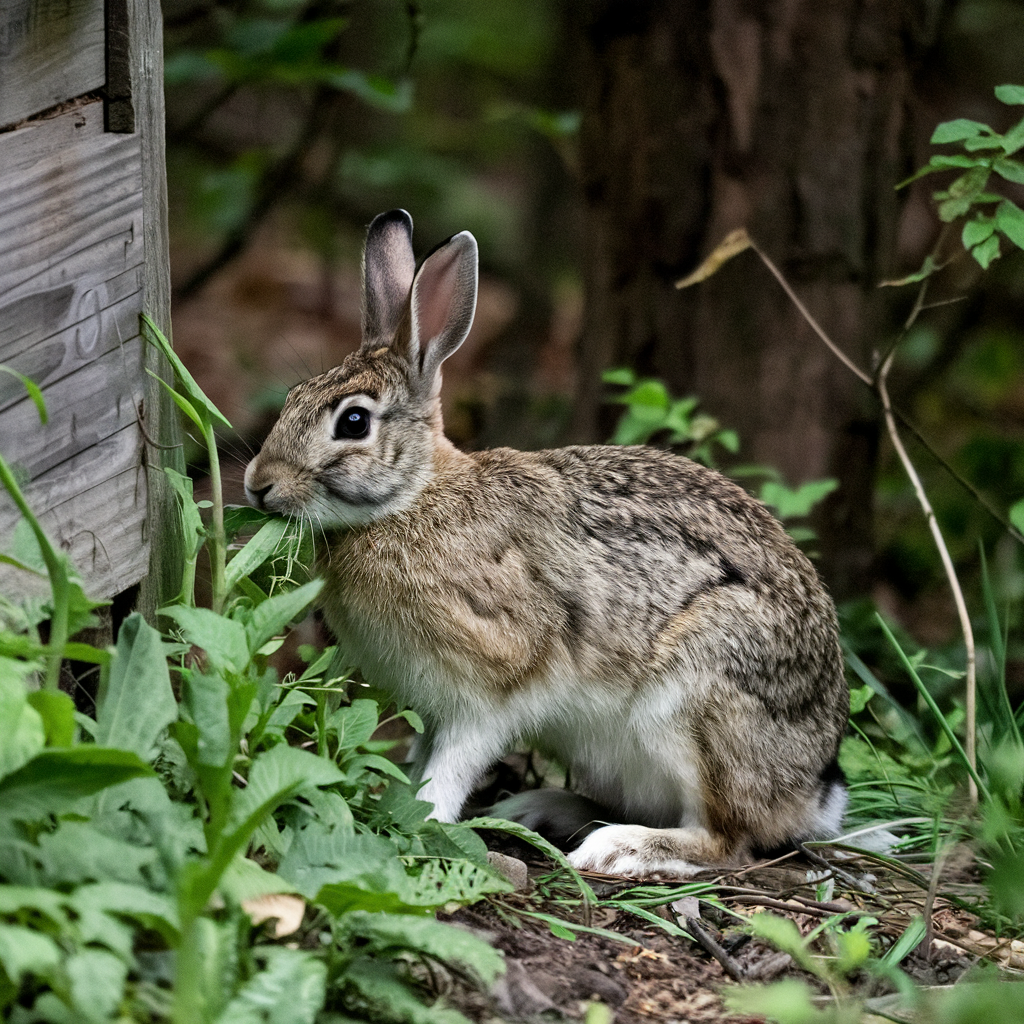
– Wild cottontails are solitary. They nest in shallow ground depressions (forms) and rely heavily on camouflage and stillness to avoid predators.
– European rabbits, the species domesticated by humans, naturally live in social groups and dig extensive burrow systems called warrens.
– Domestic rabbits can display social tendencies (bonding with other rabbits or humans) and often thrive with a bonded companion, but they’re not equipped to survive outside in most places. Releasing a domestic rabbit is dangerous for the rabbit and the ecosystem.
As for lifespan, wild rabbits often live one to two years due to predation, weather, and disease. Domestic rabbits—given a healthy diet, ample space, and veterinary care—average 8 to 12 years.
Daily Rhythm: Crepuscular, Not Nocturnal
A lot of people assume rabbits are nocturnal. One of the most frequent rabbit facts and information clarifications I make: they are crepuscular. Rabbits are naturally most active in the low light of dawn and dusk. This timing helps them avoid many daytime and nighttime predators and allows them to forage when temperatures and light levels are kinder.
What you’ll see at those times:
– Foraging and nibbling on grasses and tender leafy plants
– Quick sprints (and astonishing agility) when startled
– Grooming sessions—rabbits are fastidious cleaners
– Playful “binkies” in domestic rabbits: joyful jumps and midair twists
How Rabbits Communicate (And Why Your Bunny Thumps)
Rabbit communication is subtle and body-language heavy. Understanding this rabbit facts and information shortlist helps prevent misunderstandings:
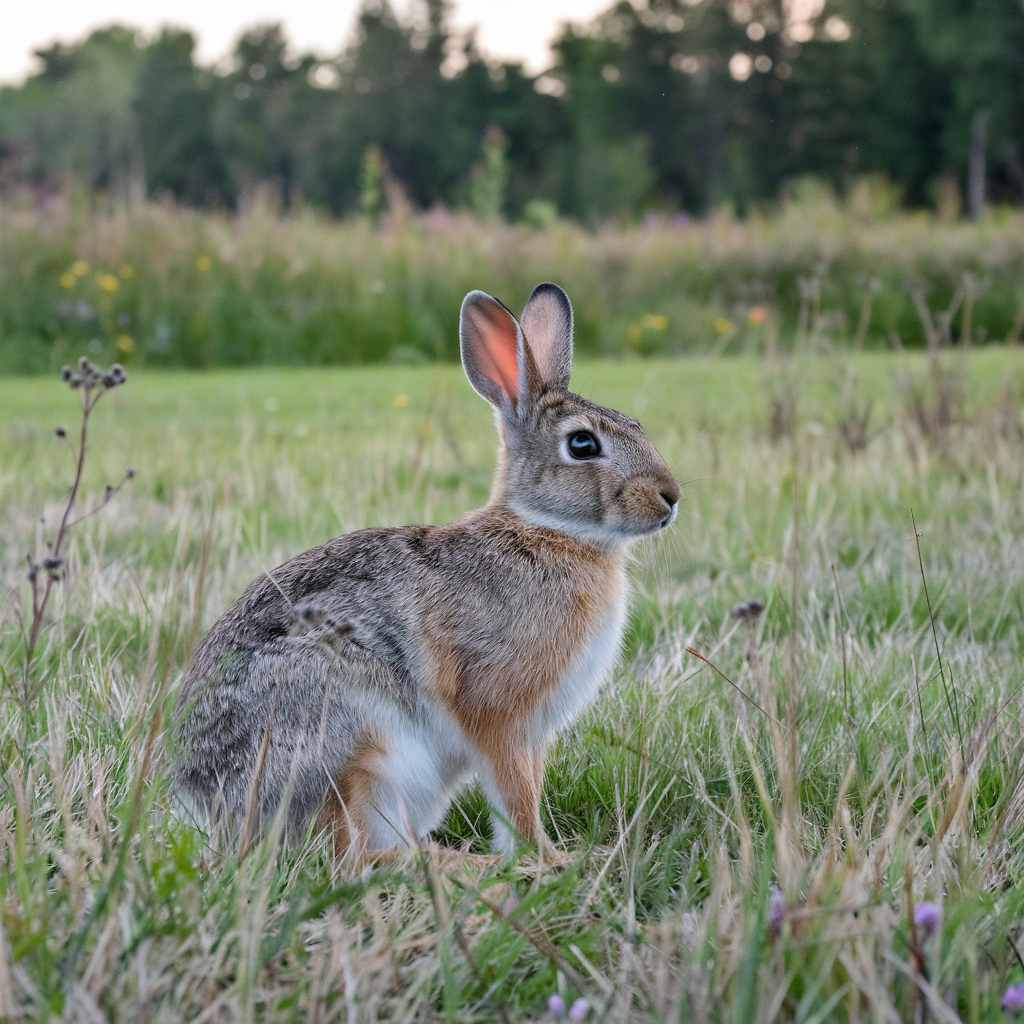
– Ears: Those big pinnae act like satellite dishes, swiveling to pinpoint sounds. They’re also crucial for thermoregulation.
– Eyes: Rabbits have nearly panoramic vision with a small blind spot right in front of their nose.
– Thumping: A rhythmic thud of the back feet warns others of danger—or expresses frustration.
– Purring: A very soft tooth clicking sound when relaxed and content (in domestic rabbits).
– Grunting or growling: A warning signal, often if a rabbit feels threatened.
– Screaming: A high, piercing sound only in extreme fear or pain.
Diet: Built for Fiber and Constant Nibbling
Here’s rabbit facts and information that can literally save lives for domestic rabbits: fiber is everything. In the wild, rabbits graze on grasses, clovers, and leafy plants throughout the day. During winter, they may nibble bark and twigs.
For companion rabbits:
– Hay is the foundation. Unlimited grass hay (like timothy) keeps the digestive tract moving and wears down continuously growing teeth.
– Fresh leafy greens add moisture and vitamins. Rotate safe options for variety.
– Pellets are optional in small amounts and should be high-fiber, plain (no colorful bits).
– Treats like carrots and fruits should be occasional only. The “carrot every day” trope is a myth; carrots are high in sugar.
A fascinating digestive fact: rabbits produce two kinds of droppings. The round dry pellets you see in litter boxes or on the lawn are waste. But at night or during quiet times, rabbits produce cecotropes—soft, nutrient-rich clusters they re-ingest directly from the anus. This is normal and necessary, letting them extract vitamins and beneficial microbes from their plant-heavy diet.
Housing and Space: The Bigger, the Better
Another critical piece of rabbit facts and information is that rabbits are built to move. They need space to jump, sprint, and explore, not just a small cage.
For domestic rabbits:
– Prioritize a roomy, bunny-proofed area. Pens and full-room spaces beat cramped hutches.
– Provide hides, tunnels, platforms, and chew-safe toys (untreated wood, woven grass).
– Litter training is very achievable; use paper-based litter (never clumping cat litter).
– Temperature matters. Rabbits tolerate cool weather better than heat; ensure shade, ventilation, and constant water in warm months.
Ethical basics:
– Spay/neuter is recommended to prevent accidental litters, reduce certain cancers, and curb territorial behaviors.
– Always support the spine and hindquarters when handling. Rabbits can injure themselves if they kick hard while unsupported.
Family Life: Nests, Kits, and Fast Maturation
Ready for some rapid-fire rabbit facts and information about reproduction and growth?
– Gestation: typically about a month.
– Litter size: varies widely by species and conditions; several kits per litter.
– Nesting: Wild mothers build a fur-lined nest in a shallow depression and nurse briefly—often just a few minutes at dawn and dusk—to avoid drawing predators.
– Eye opening: around 10 days for many species; kits are born blind and hairless (altricial).
– Independence: young cottontails often leave the nest around three weeks, though they are still quite small.
If you find a nest of baby rabbits outdoors, resist the urge to intervene. The mother is almost certainly nearby and visits briefly to feed. If you have valid reason to believe the kits are injured or orphaned, contact a licensed wildlife rehabilitator before acting.
Predators and Protecting Backyard Rabbits
Rabbits sit in the middle of many food webs, which is why they’re so quick and cautious. The most common predators include hawks, owls, foxes, coyotes, bobcats, and snakes (primarily targeting young rabbits). You can learn more about aerial hunters that frequent many neighborhoods here:
– Hawks
– Owls
– General bird insights for a safer yard
If you share your outdoor space with domestic rabbits, supervise outdoor time or provide a predator-proof enclosure. Use sturdy wire with small openings, secure tops, and dig-proof boundaries. If you’re simply hoping to enjoy wild visitors naturally, these backyard wildlife tips are a great start.
Seasons and Molting: Why Your Rabbit Suddenly Sheds
Rabbits don’t hibernate. Instead, they adjust to seasonal changes through behavior and coat shifts. One of the more surprising rabbit facts and information for new caretakers is how dramatically rabbits can molt—sometimes in waves that look like “fur explosions.” Regular brushing helps, especially for long-haired breeds, and reduces the amount of fur ingested during grooming.
In winter, wild rabbits change behavior more than appearance, often browsing woody plants and staying close to cover. Domestic rabbits should always have dry, draft-free shelter if housed outdoors; many guardians keep them indoors year-round for safety and easier temperature control.
Health Essentials: The Big Things to Watch
Being proactive about health is part of responsible rabbit care. Here are the rabbit facts and information I wish everyone knew before adopting:
– Gut slowdown (GI stasis) is an emergency. Signs include not eating, tiny or absent fecal pellets, lethargy, or grinding teeth in pain. Seek a rabbit-savvy veterinarian immediately.
– Dental issues are common. Because teeth grow continuously, misalignment or insufficient chewing leads to sharp points and sores. A hay-first diet and regular checkups help.
– Safe chewing is a must. Offer chew-safe woods and fibers; avoid items with varnish, treated wood, or loose threads.
– Parasite prevention and cleanliness matter. Keep enclosures clean, remove soiled bedding, and don’t allow standing water where mosquitoes breed.
– Vaccination policies vary by region. Rabbit Hemorrhagic Disease Virus 2 (RHDV2) outbreaks have occurred in parts of North America; ask your vet about local risks and prevention.
If you’re exploring more North American wildlife context alongside rabbit facts and information, this regional hub is handy: .
Behavior You’ll Love: Binkies, Flops, and Bonding
Rabbits can be shy, but once they feel safe, their personalities bloom. Some favorite moments you might witness:
– Binky: The joyful, acrobatic leap and twist that says, “Life is good!”
– Flop: A dramatic sideways topple to rest, often a sign of deep relaxation.
– Chinning: Rubbing the chin on objects to mark them with scent glands—“this is mine.”
– Zoomies: Fast sprints around the room or yard.
– Bonding: Many rabbits form deep, lifelong bonds with another rabbit. Bonding is a careful process; neutral territory and slow introductions are key.
Myths That Need Retiring
Let’s clear out a few persistent myths with rabbit facts and information that hold up under science and experience:
– Myth: “Rabbits love living in small cages.” Reality: They’re athletic and need room to run and explore.
– Myth: “Carrots are a staple.” Reality: Carrots are a treat; hay and leafy greens are the staples.
– Myth: “If you touch a wild baby rabbit, its mother will reject it.” Reality: Not true. A mother rabbit relies on scent avoidance to protect young. If the nest is disturbed, gently restore it and leave it alone.
– Myth: “Rabbits are low-maintenance starter pets for kids.” Reality: They require as much daily care and attention as many cats or dogs, often more when it comes to diet and environment.
If you enjoy separating fact from fiction in the animal world, you might also like our birds deep-dive with fun myth-busting.
Creating a Rabbit-Friendly Yard
If your goal is to observe wild rabbits safely—or just make your outdoor space more inviting—these rabbit facts and information tips blend ecology and practicality:
– Plant native grasses and clover; maintain a mosaic of short and slightly taller patches for food and cover.
– Keep some brushy edges or low shrubs; rabbits prefer nearby shelter to dash under.
– Protect vulnerable garden beds with low fencing or individual plant guards.
– Skip pesticides and rodenticides; they ripple through the food web and can harm rabbits, predators, and pets.
– Provide water sources like shallow dishes or birdbaths, cleaned often.
– If you love watching the broader community appear, you’ll find ideas for a whole backyard cast (from insects to birds) here.
How Rabbits Fit Into the Bigger Picture
Rabbits are critical herbivores in many ecosystems. They:
– Keep fast-growing plants in check
– Provide food for a wide range of predators
– Create small disturbance patterns with grazing that can benefit plant diversity
They’re also ambassadors—easy for kids to notice and love. That curiosity can open doors to learning about other creatures, from pollinators to birds of prey. If you’re building a nature-loving home or classroom, tying rabbit facts and information to other animal profiles helps kids see how everything connects.
Looking to expand that journey? Try this birds category for inspiration across species, or continue through our rabbit library here.
Responsible Adoption: What to Know Before You Bring One Home
For anyone considering a companion rabbit, rabbit facts and information that matter most at the outset include:
– Space and time: Daily exercise and interaction are non-negotiable.
– Diet and budget: Quality hay, greens, and veterinary care are ongoing costs.
– Vet access: Not all vets are rabbit-savvy. Identify an experienced clinic before you need one.
– Long-term commitment: 8–12 years is common with good care; rabbits are not short-term pets.
– Bonding and temperament: Some rabbits enjoy gentle affection; others need more time to trust. Respect their boundaries and let them come to you.
Shelters and rescues are wonderful places to meet adoptable rabbits, including bonded pairs that are already spayed/neutered and socialized.
Rabbit Safety With Other Animals
Rabbits and household pets can coexist, but safety is the north star. Even the sweetest dog or cat has chase instincts. Introductions should be controlled, and rabbits must always have escape space and a secure refuge.
If you’re building a broader understanding of the animals you might see around your yard (and which ones may interact with rabbits), these resources help broaden the picture:
– Owls
– Hawks
– Backyard wildlife basics
Quick Answers to Big Rabbit Questions
Here’s a compact rabbit facts and information FAQ you can skim quickly:
– Do rabbits make good pets? Yes—for patient adults or families willing to learn. They’re engaging, social animals with specific needs.
– Can I keep a wild rabbit? No. Wild rabbits should not be kept as pets; it’s illegal in many areas and not humane.
– What’s the best diet for a pet rabbit? Unlimited grass hay, daily leafy greens, fresh water, and limited pellets; sugary treats only occasionally.
– Why is my rabbit thumping? Usually to signal perceived danger, annoyance, or anxiety. Check the environment for stressors.
– How often should I groom my rabbit? Regular brushing is important, especially during sheds; long-haired breeds may need daily care.
– Why does my rabbit chew everything? Chewing is essential for dental health and mental stimulation. Provide safe chew options and bunny-proof wires and baseboards.
– Do rabbits need companionship? Many do. Some thrive solo with lots of human interaction; others do best with a bonded rabbit friend.
– What should I do if I find a nest of baby rabbits? Leave it undisturbed unless the babies are visibly injured or orphaned; then contact a licensed wildlife rehabilitator.
Keep Exploring
If this guide to rabbit facts and information sparked your curiosity, here are a few thoughtful next reads from our site that naturally connect to rabbit-friendly yards and neighborhood ecology:
– Backyard wildlife facts to make your outdoor space safer and richer
– Understand the birds that share your space (and how to make peace with predators)
– Browse all our rabbit articles, from behavior to habitat tips
– Dig into the raptors most likely to soar over your neighborhood: hawks and owls
– Explore a broader snapshot of regional wildlife in our North America collection!
I hope this collection of rabbit facts and information helps you see these gentle survivalists with new respect. Whether you’re quietly watching a wild cottontail at sunrise or setting up a room for a rescued rabbit, you’re part of a bigger story—one where small daily choices create safer, kinder spaces for every creature in our shared habitat.