A Closer Look at the Spiders Sharing Our World
If you and I were to sit quietly in a garden for a few minutes, I bet we’d notice a spider or two going about their lives with zero concern for our human drama. I’ve spent years observing these eight-legged wonders, and every season, I learn something new. In this guide, I’ll share the most essential facts about spiders I wish everyone knew—clear, practical, and rooted in science. Along the way, I’ll show you how to coexist with them (it’s easier than you think), where they fit into your backyard ecosystem, and which stories about spiders are pure myth.
Quick, Skimmable Facts About Spiders
- Spiders are arachnids, not insects. They have eight legs, two main body sections, and no antennae.
- There are over 50,000 described spider species worldwide, and scientists discover more every year.
- Most spiders can’t hurt humans. Their venom evolved to subdue small prey, not people.
- Not all spiders spin webs. Many actively hunt, pounce, or ambush.
- Spider silk is incredibly tough for its weight and comes in multiple specialized types.
- Spiders “hear” with hairs and receptors on their legs and bodies, sensing vibrations and even air movement.
- Some spider mothers provide remarkable care, guarding eggs and even sharing nutrient-rich secretions with spiderlings in a few species.
- In homes, spider populations often control pests like flies, mosquitoes, and roaches.
What Makes Spiders, Spiders: Anatomy and Senses
To appreciate the most surprising facts about spiders, start with their design. A spider’s body is divided into two main parts: the cephalothorax (head and thorax fused) and the abdomen. Their mouthparts, called chelicerae, end in fangs that inject venom—primarily to immobilize prey. Near the mouth, you’ll also see short leg-like appendages called pedipalps; males use these to transfer sperm during mating.
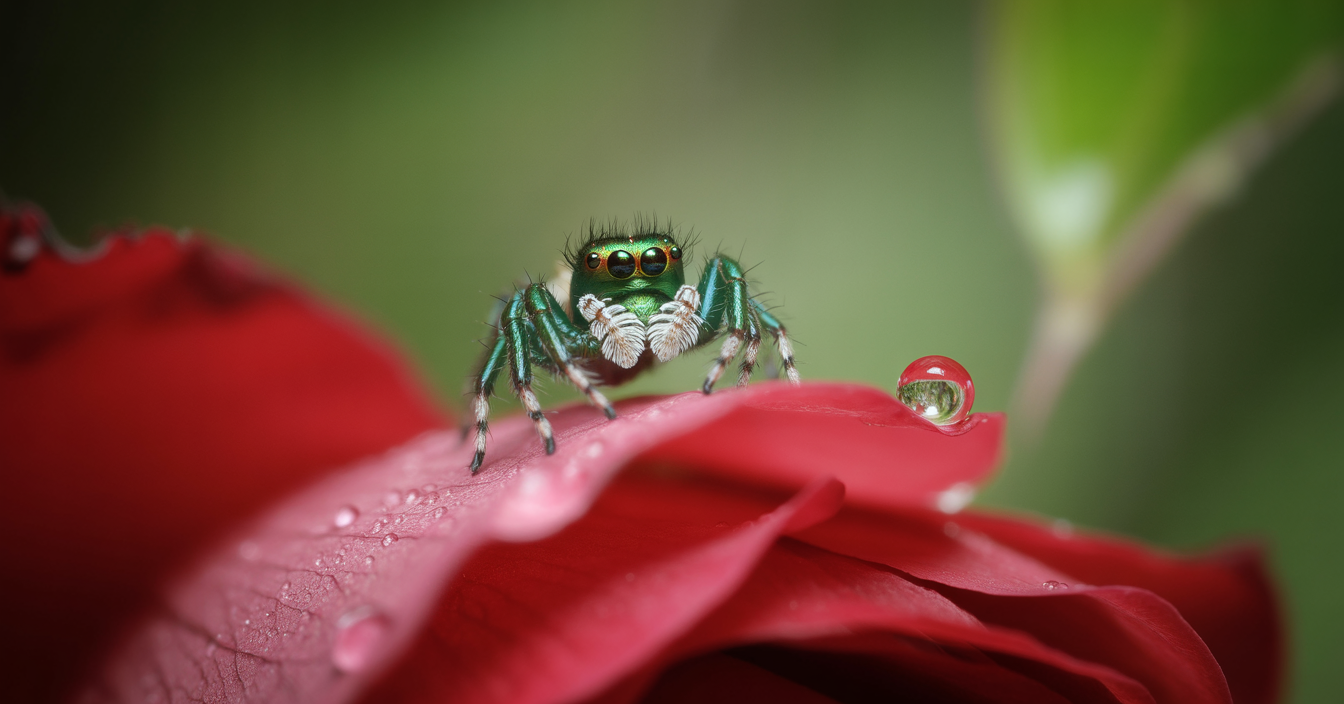
They don’t have ears like we do. Instead, spiders detect sound and movement through ultra-sensitive hairs (trichobothria) and tiny slit-like sensors that register vibrations and tension. This is why tapping on a web or approaching stealthily can send a web-builder running. Most species have eight eyes, though a few have fewer; jumping spiders, for instance, have large forward-facing principal eyes that give them excellent acuity and color vision (including ultraviolet in some species), which helps them judge distance and stalk prey with precision.
Breathing depends on the species. Many use book lungs—delicate, layered structures inside the abdomen—while others have tracheal tubes. Their blood-like fluid, called hemolymph, also helps extend their legs. That hydraulic assist is why a dead spider curls up: without pressure, the legs can’t fully extend.
Silk Wizardry: Why Spider Threads Deserve Their Reputation
Among the coolest facts about spiders is their silk. Silk is a protein-based fiber extruded from spinnerets on the abdomen. A single spider can spin different silks for different jobs: dragline silk for safety lines and web frames, sticky capture silk for snagging prey, and ultra-soft silk for wrapping eggs. While “stronger than steel” can be misleading without context, the comparison points to silk’s high tensile strength relative to its weight. And its toughness (energy absorbed before breaking) is particularly impressive.
Here’s how spiders use it in daily life:
- Draglines: A lifeline wherever they go, in case they need to drop and dangle quickly.
- Webs: Orb webs, cobwebs, sheets, funnels—each design suits a different hunting strategy.
- Ballooning: Young spiders, and even some adults, release silk into the breeze and glide away to new territory. The flight is influenced by wind and even electric fields in the atmosphere.
- Prey-wrapping: After a catch, many spiders mummify their meal to immobilize it and make feeding safer.
Webs and Hunting Styles: Not Every Spider Spins a Classic Wheel
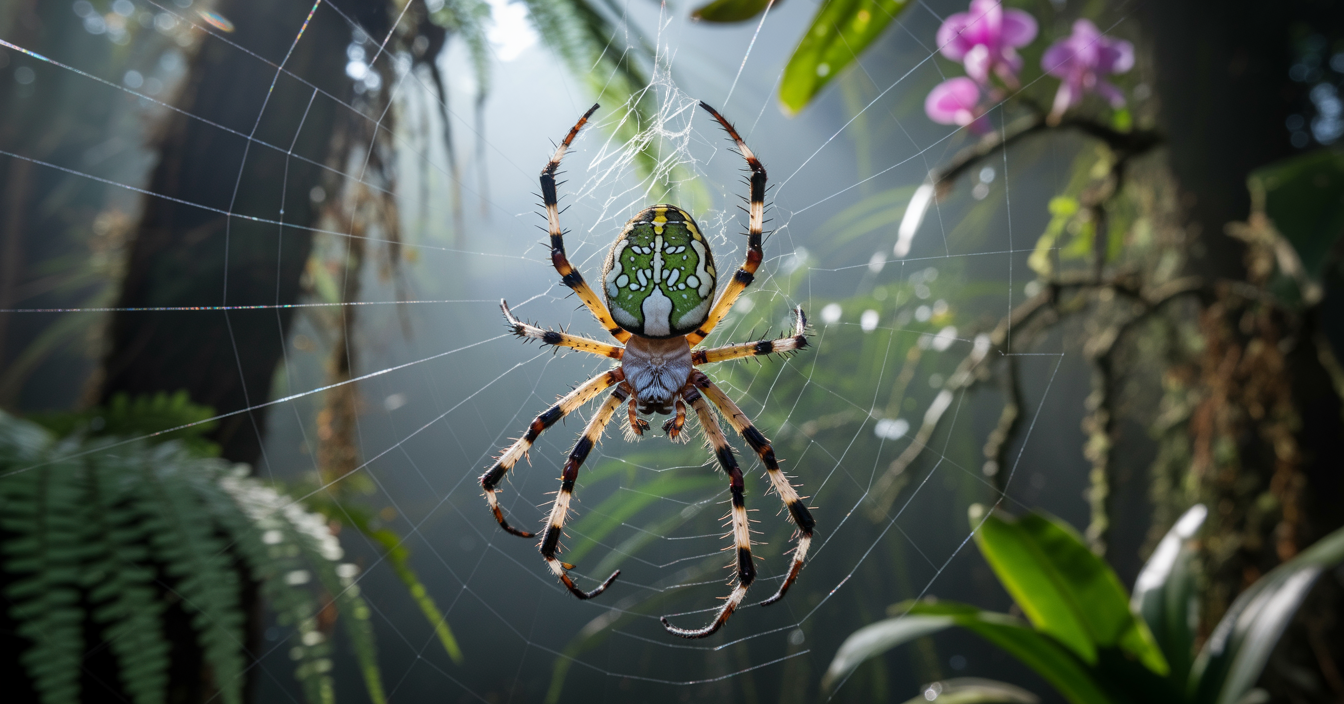
One of the key facts about spiders people often miss is that web-making isn’t universal. Orb-weavers craft those perfect spirals you see glistening at sunrise, while cobweb weavers (like common house spiders) create messy tangles that are deceptively effective. Funnel-web builders make sheet-like platforms leading to a silken tunnel where the spider waits for a vibration—then strikes.
Plenty of spiders skip web trapping altogether. Wolf spiders, jumping spiders, crab spiders, trapdoor spiders, and tarantulas rely on stealth, speed, and camouflage. Some are masters of deception: bolas spiders dangle a sticky silk “bola” and swing it to snare moths, luring them in by mimicking female moth pheromones. Net-casting spiders (ogre-faced spiders) hold a small web between their legs and fling it forward to scoop up unsuspecting prey.
Brains and Behavior: Tiny Bodies, Big Problem-Solving
For anyone who loves behavioral biology, the facts about spiders are endlessly rewarding. Jumping spiders perform intricate stalk-and-pounce routines; some adjust their approach routes after assessing obstacles. The genus Portia is famous for flexible hunting strategies: individuals can vary their tactics, probe webs with different rhythms, and even take detours that suggest a form of planning.
Communication is largely vibrational. Courtship often involves males sending species-specific signals—web plucks, tapping, or visual displays—to avoid being mistaken for prey. In a handful of species, spiders live communally and share duties like web maintenance and brood care. And while sexual cannibalism does occur in some spiders, it is not universal; in many species, mating happens without any drama.
Myths vs. Reality: Let’s Fact-Check
We’ve all heard persistent myths. Let’s set the record straight with evidence-backed facts about spiders:
- “You swallow eight spiders a year in your sleep.” False. There is no evidence for this claim. Spiders actively avoid large, noisy creatures like us.
- “Daddy longlegs are the most venomous spiders but can’t bite humans.” False on multiple counts. The name “daddy longlegs” is used for different animals. Harvestmen (Order Opiliones) aren’t even spiders and have no venom glands. Cellar spiders (family Pholcidae) do have venom but it’s not medically significant to humans. And yes, they can bite if provoked, but rarely do.
- “All spiders are dangerous.” Not even close. A small subset of species worldwide is of medical concern to humans, and bites are uncommon.
- “House spiders came from outside and want to go back.” Many “house spiders” are adapted to indoor living and don’t survive well outdoors.
Are Spiders Dangerous? Evidence, Context, and First Aid
It’s responsible to address safety when sharing facts about spiders. In North America, the most commonly discussed spiders of medical concern are widow spiders (Latrodectus) and recluse spiders (Loxosceles). Even then, serious outcomes are rare, and most bites resolve with basic care. The best prevention is awareness:
- Shake out gloves, shoes, and stored clothing before use.
- Wear gloves when moving firewood, boxes, or debris.
- Keep basements and sheds tidy to reduce ideal hiding spots.
If you suspect a significant bite: clean the area with soap and water, apply a cold compress, keep the limb elevated, and seek medical evaluation—especially if symptoms spread or worsen. Accurate identification helps, but never handle an unknown spider to “prove” what bit you.
Spiders at Home and in the Garden: Coexistence That Works
Here’s one of my favorite facts about spiders that helps people feel better about them: they’re exceptionally good at eating pests. Houseflies, gnats, mosquitoes, and even the occasional roach can all end up as spider food. Outdoors, they protect plants by reducing herbivorous insects, which is part of a healthy backyard web of life. For a bigger-picture look at your yard’s ecosystem, explore our backyard wildlife guide.
Tips for peaceful coexistence:
- Relocate gently: Place a cup over the spider, slide paper under, and release outside in sheltered spots.
- Reduce indoor prey: Good screens, vigilant cleaning, and sealing cracks lower insect numbers—and thus spider numbers.
- Garden smart: Native plants increase insect diversity, which naturally balances predator–prey cycles (including spiders).
- Lights at night: Outdoor lights attract insects. If you reduce unnecessary lighting, you reduce both insects and the spiders that follow them in.
Spiders in the Food Web: Who Eats Whom
Another set of key facts about spiders: they don’t just eat; they’re also eaten. Birds, frogs, and wasps can all prey on spiders. If you’ve ever watched a bird pluck a spider from a web, you’ve seen this relationship in action. For a friendly primer on feathered neighbors, enjoy our overview all about birds. Curious about amphibians that share your garden and sometimes hunt spiders? Our frog articles provide great context on their habits and calls. And for invertebrate rivals and prey, dive into ant facts to understand how spiders and ants often intersect—sometimes as predator, sometimes as prey.
Feeding and Digestion: How Spiders Eat Without “Chewing”
Spiders are carnivores, typically feeding on insects and other small arthropods. Many inject venom to immobilize prey and introduce digestive enzymes that begin breaking tissues down externally. The spider then sucks up the liquefied meal—so while it may look like they’re “drinking” dinner, they’re actually consuming a soup of predigested nutrients. Some larger species can subdue vertebrates (small lizards or mice), but this is rare and not part of daily life for most spiders.
Traveling by Air: Ballooning, Explained
Perhaps the most whimsical of all facts about spiders is ballooning. Spiderlings and some small adults climb to a high point, raise their abdomen, and release silk. When conditions are right—light winds, appropriate humidity, and even favorable atmospheric electric fields—silk threads catch air and electrostatic forces, allowing spiders to take off. This is how many species spread to new habitats, even reaching remote islands.
Colors, Camouflage, and Communication
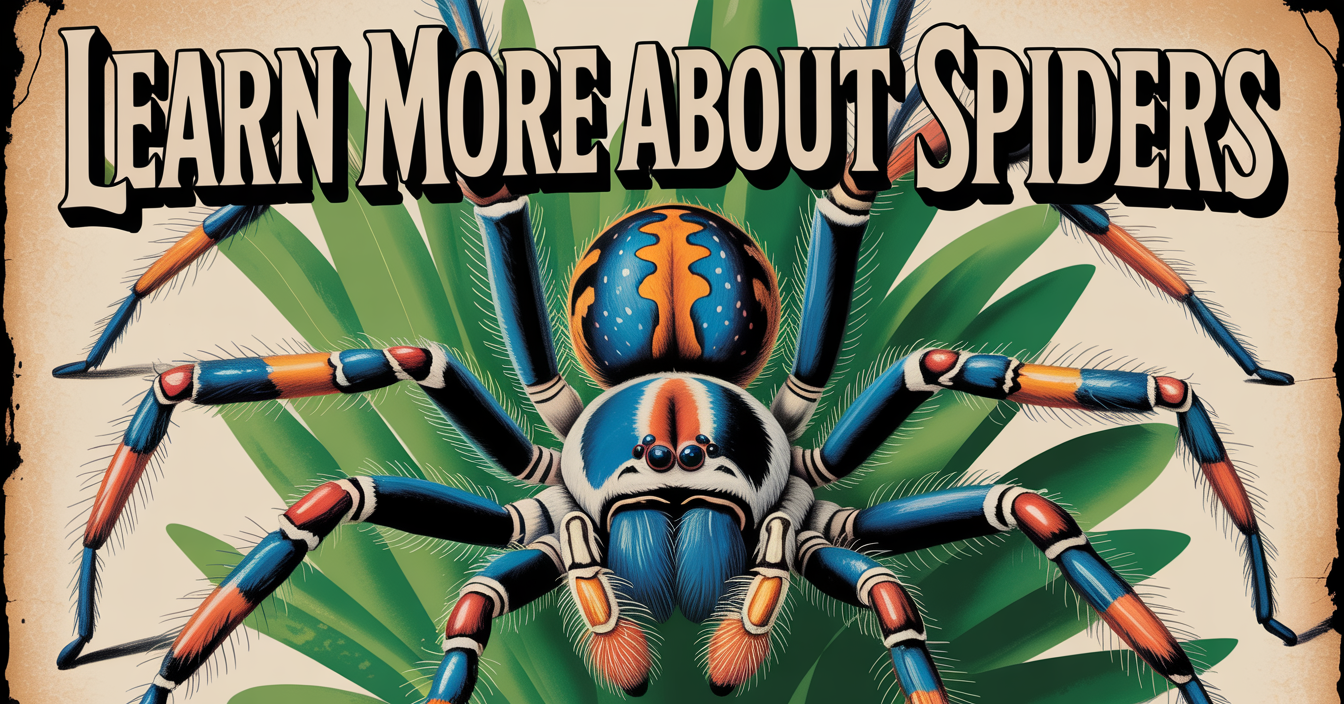
Many spiders blend into bark, leaves, or flowers. Crab spiders can match the petals they sit on, ambushing pollinators. Jumping spiders often sport vivid patterns; some use visual signals in courtship dances. Vivid blues in certain tarantulas, for example, come from microscopic structural features that reflect light rather than from pigments. Cellar spiders are pale and flexible, while orb-weavers can be strikingly colorful—yet nearly invisible when they hold perfectly still at the web’s hub.
Life Cycle and Longevity
Another practical set of facts about spiders: they molt repeatedly as they grow, shedding their exoskeletons. Males often mature faster and live shorter lives after reaching adulthood, while females—especially in tarantulas—can live for many years. Some tarantula females have been known to live for decades. Most species produce egg sacs, which females guard. In a few remarkable species, mothers even feed their young with nutrient-rich secretions for a time.
House Spiders: Meet Your Unofficial Pest Control
House spiders don’t see your home as a living room; they see it as habitat with reliable prey and shelter. If you’ve got insects, spiders will likely follow. Want to reduce them? Focus on prevention:
- Seal gaps around windows, doors, and pipes.
- Use screens and fix tears promptly.
- Limit indoor clutter that shelters insects.
And if you’re curious to explore more detailed species profiles and everyday facts about spiders, browse our collection of spider articles—they’re written for curious readers who like clear science and practical tips.
Why Spiders Matter: Ecosystem Services You Can See
I get enthusiastic about this part because it’s so tangible. Spiders are predators that keep insect populations in check. In agricultural systems and gardens, they reduce the need for chemical pest control by removing pests naturally. They also serve as prey for birds, amphibians, reptiles, and other invertebrates, anchoring multiple food webs. When you step back, you see a living network where spiders are quietly doing vital work—daily, patiently, and effectively.
Frequently Asked Questions: Straight Answers
Are most spiders poisonous?
Technically, many spiders have venom, but “poisonous” is the wrong term (poison is harmful if eaten; venom is injected). The important point: most species have venom too weak to affect humans significantly, or they rarely bite.
Which spiders should I be cautious about?
In North America, widow spiders and recluse spiders warrant respect and caution. Bites are uncommon but can require medical evaluation. Around the world, a few additional species—such as some funnel-web and wandering spiders—are medically significant. Awareness and sensible precautions go a long way.
Do spiders help with pests?
Yes, substantially. They consume flies, mosquitoes, moths, and other insects. In your home and garden, that’s free, natural pest control.
Why do I see more spiders in late summer and fall?
Many species reach maturity around that time, and males are on the move seeking mates. You’re not necessarily “getting invaded”; you’re just noticing them more.
Can I move a spider without hurting it?
Absolutely. Gently trap it using a cup and paper, then release it outside near shrubs or sheltered corners. If it’s a species adapted to indoor life, it may not thrive outside; in that case, consider simply relocating it to a low-traffic corner indoors.
Spiders and Their Neighbors: Keep Exploring
If digging into facts about spiders made you curious about their prey, predators, and neighbors, I’ve handpicked a few reads that pair perfectly:
- For a bigger-picture view of your yard’s tiny ecosystem, check our Backyard Wildlife and Animal Facts You Didn’t Know.
- Curious about prey and competitors? Start with Ant Facts and Myths and our comprehensive guide to cockroaches.
- Want to learn about common spider predators? Explore All About Birds and browse our frog category to understand those nighttime hunters.
Practical, Friendly Takeaways
- The most useful facts about spiders are simple: they’re allies against pest insects, and they prefer to avoid us.
- Keep spaces tidy, reduce insect attractants, and you’ll organically limit both insects and the spiders that feed on them.
- Respect is the best policy—observe, learn, relocate when needed, and save extermination for truly necessary situations.
I’ve never met someone who didn’t feel a little differently after learning honest, science-based facts about spiders. Once you see their craftsmanship, their patient hunting, and their place in the grand choreography of your backyard, fear often softens into curiosity. And curiosity—quiet, observant, compassionate—is the best way to share the world with these remarkable creatures.