Why Squirrels Steal Our Hearts—and Our Birdseed
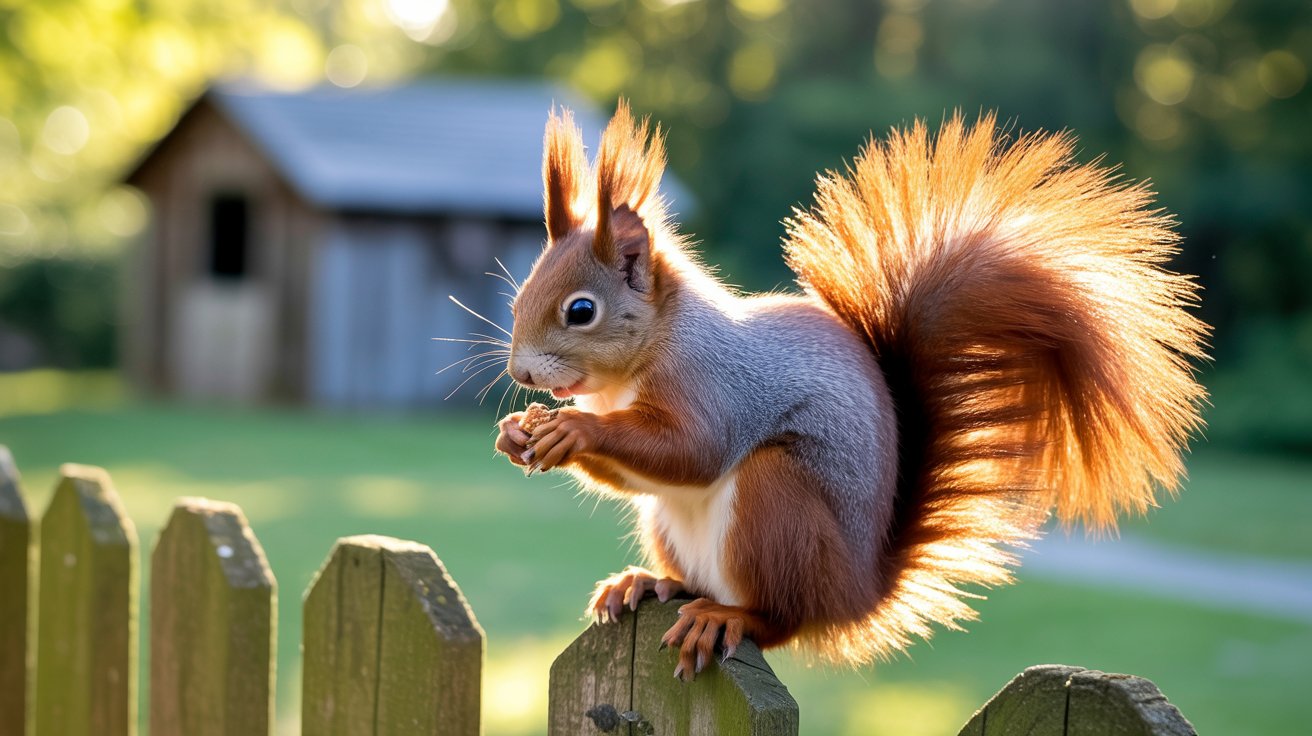
I’ll admit it: a squirrel sprinting along a fence rail with a peanut bigger than its face always makes me smile. They’re agile, persistent, and wildly charismatic. If you’re here to learn about squirrels, you’re in good company. I spend a lot of time watching them, noting what they eat, how they communicate, and how they outsmart every “squirrel-proof” feeder on the market. The more you get to know them, the more you’ll appreciate just how clever and important these little neighbors are.
In this guide, I’ll help you learn about squirrels with real-world tips, science-backed facts, and a deep respect for the animals themselves. Whether you love watching backyard acrobatics or want to protect your garden without harming wildlife, you’ll find practical, humane advice below.
Meet the Squirrels You’re Most Likely to See
When you learn about squirrels, it helps to start with who’s actually rustling your leaves. In North America, several species are common in cities, suburbs, and forests.
Tree Squirrels (Daytime, Arboreal)
– Eastern Gray Squirrel (Sciurus carolinensis): The classic “backyard squirrel” in much of the East and Midwest; salt-and-pepper gray with a big, fluffy tail.
– Fox Squirrel (Sciurus niger): Larger, often with reddish-brown tones; common in open woodlands and urban areas.
– American Red Squirrel (Tamiasciurus hudsonicus): Smaller, fiery personality; known for rapid chatter and defending food caches.
Flying Squirrels (Nocturnal Gliders)
– Southern Flying Squirrel (Glaucomys volans) and Northern Flying Squirrel (Glaucomys sabrinus): They don’t actually fly—they glide using a membrane (the patagium) between their limbs. Strictly nocturnal, they’re easy to miss unless you’re out at night with a red-filtered flashlight.
Ground Squirrels (Burrowers)
– Various species depending on region. Unlike tree squirrels, many ground squirrels hibernate and spend more time on the ground or in burrows than in trees.
If you want to get a feel for the broader world of backyard neighbors these squirrels share space with, explore this overview of backyard wildlife and animal facts.
Anatomy and Superpowers: Built for the Treetops
It’s easy to learn about squirrels by simply watching their movement. Their bodies are made for climbing and leaping.
– Tail: Balances on narrow branches, acts as a parachute during leaps, signals mood during social interactions, and works like a blanket in cold weather.
– Feet and claws: Strong, curved claws and flexible ankles allow them to rotate their back feet for head-first descents down tree trunks.
– Teeth: Their front incisors never stop growing, so they must chew regularly to keep them in check. That’s why you’ll see gnaw marks on wood or nutshells.
– Senses: Excellent vision (including good depth perception for those wild jumps), sharp hearing, and a powerful sense of smell.
A squirrel can jump many times its body length, turn on a dime mid-leap, and sprint along branches at dizzying speeds. Those stunts aren’t recklessness—they’re survival skills.
What Squirrels Eat (and Why Your Garden Looks So Tasty)
Learning about squirrels’ diets helps you understand their behavior around feeders, flowerbeds, and veggie plots. Most are opportunistic omnivores with a strong preference for plant foods.
The Core Menu
– Nuts: acorns, walnuts, hickory nuts, pecans
– Seeds and grains
– Fruits and berries
– Fungi (including truffles and other underground fungi)
– Buds, shoots, and tree bark (especially in late winter)
– Occasional animal matter: insects, small invertebrates, and rarely eggs if accessible
One thing I’ve noticed: squirrels are practical. In fall, they’re in frenzy mode, scatter-hoarding nuts for lean months. If you’ve ever seen one digging in the snow to retrieve a buried acorn, that’s exactly what those caches are for. Many cached seeds are never recovered—some sprout into future trees, making squirrels accidental foresters.
If you’re watching birds as well as squirrels, you might like this companion piece on birds’ habits and myths.
Why They Raid Your Garden
Fresh produce is irresistible. Tomatoes offer moisture in dry spells. Tender shoots are nutrient-dense. Newly planted bulbs smell like buried treasure. If you learn about squirrels from a gardener’s perspective, their “nuisance” behavior is really survival strategy.
What Not to Feed
– Junk food, bread, salted nuts, and flavored snacks
– Large amounts of corn or peanuts as a sole diet (these can be unbalanced)
– Anything moldy or spoiled
When feeding, variety matters. Think unsalted nuts in the shell, bits of fresh produce in moderation, and occasional seeds. You’ll find more guidance in the ethical feeding section below.
Nests, Homes, and Seasonal Life
Tree squirrels build nests (dreys) out of leaves and twigs, usually on sturdy branch forks. They also use tree cavities, which provide better insulation and safety.
– Summer: More active, raising young, building or repairing nests.
– Fall: Peak caching of acorns and nuts; often more conspicuous as they bulk up for winter.
– Winter: Tree squirrels don’t hibernate. They may lay low during storms and rely on fat reserves and cached food. Ground squirrels, by contrast, may hibernate depending on species and climate.
Flying squirrels often choose tree cavities and may den communally in colder months, sharing warmth.
Family Life: Courtship, Babies, and Growing Up Fast
For Eastern gray squirrels, breeding usually occurs in late winter and again in midsummer. After a gestation of roughly 44–45 days, litters typically range from two to four kits. Newborns arrive hairless and blind; they open their eyes at around four weeks and start exploring outside the nest by six to eight weeks. By 10–12 weeks, many are ready to be on their own.
Mothers are fiercely dedicated. I’ve watched a mom squirrel carry wayward kits back to a nest with astonishing gentleness, one by one, after a windstorm. If you learn about squirrels through quiet observation, you’ll see a deep intelligence and careful parenting that’s easy to miss at a glance.
Smarts, Memory, and Communication
Squirrels aren’t just agile—they’re brainy.
Caching and Memory
– Scatter-hoarding strategy: Instead of one big pantry, they spread caches across many locations.
– Spatial memory: Squirrels use landmarks and mental mapping to retrieve food.
– Deception: They sometimes perform “fake” burying to mislead would-be thieves.
Vocal and Body Language
– Calls: Barks, “kuk” and “quaa” notes, and chatters to signal alarm or territory.
– Tail flicks: A universal warning sign; you’ll see rapid flagging if an owl or hawk is nearby.
– Foot stomps: A visual cue that says, “Heads up!” to neighbors.
Their mental toolkit shines during predator encounters. The zig-zag escape route you’ve seen? That’s a strategy to evade hawks and other raptors. If you’re fascinated by the hunters that shape these behaviors, learn all about owls—masters of silent flight—here:
Friends, Foes, and Coexisting in the Backyard
Life is riskier for squirrels than many people realize. Predators include hawks, owls, foxes, coyotes, and sometimes domestic cats and dogs. Many young squirrels don’t make it through their first year due to predation, vehicle strikes, or harsh weather.
Keeping Peace Between Pets and Squirrels
– Supervise dogs outdoors, especially near trees and fences.
– Use leashes and discourage chasing wildlife.
– Keep cats indoors or in screened “catios” to protect both birds and squirrels.
If you’d like a deeper dive into our feline companions and how to keep wildlife safer around them, this guide is a great start.
Protecting Bird Feeders Without Harming Squirrels
– Use a weight-triggered feeder that closes ports under heavier animals.
– Add a smooth, wide baffle above or below the feeder.
– Place feeders at least 10–12 feet from jump-off points (roofs, trees).
– Offer a dedicated squirrel feeding station away from bird feeders.
Sharing space with squirrels also means sharing space with other wild neighbors. To broaden your backyard knowledge, check out this friendly primer.
Help or Headache? How Squirrels Shape Ecosystems
Even if they occasionally pilfer tomatoes, squirrels give more than they take in ecological terms.
– Forest regeneration: Forgotten caches sprout into new trees, aiding reforestation.
– Fungal networks: By eating mushroom fruiting bodies and dispersing spores, squirrels help maintain mycorrhizal relationships that keep forests healthy.
– Soil turnover: Digging and reburying helps aerate soil and move nutrients.
– Food web: Squirrels support predators like hawks and owls, which helps balance rodent populations overall.
In short, if you learn about squirrels deeply, you’ll see them as ecosystem engineers—smaller than beavers, sure, but still shaping the world around them. Speaking of nature’s engineers, you might like this exploration of beavers’ remarkable talents.
How to Ethically Feed or Redirect Squirrels
I’m a fan of positive redirection. Instead of going to war with squirrels, make your yard a place where wildlife can thrive without destroying your best efforts at gardening.
Build a “Squirrel Corner”
– Offer unsalted nuts in the shell a few times a week.
– Provide fresh water in a shallow dish.
– Add a small platform or feeding stump away from bird feeders and vegetable beds.
Grow with Them, Not Against Them
– Plant squirrel-favorite trees and shrubs—oaks, hickories, serviceberries—away from key garden zones.
– Mulch bulb beds with sharp gravel or use bulb cages (wire) to protect tulips; plant less tempting bulbs like daffodils in vulnerable spots.
– Use motion-activated sprinklers to protect ripening produce without harm.
Keep It Balanced
Feeding should be occasional and moderate. We want wildlife to stay wild, not dependent. In drought or deep winter, a little support can help, but their main diet should still come from natural sources.
If you’re also hosting hummingbirds and want to maintain harmony in the yard, this guide is handy.
Squirrels vs. Chipmunks vs. Ground Squirrels: Quick ID Guide
It’s easy to mix them up when they’re all zipping around. Here’s how I tell them apart at a glance.
– Squirrels (tree species): Fluffy tail, larger body, spend lots of time in trees, active by day.
– Chipmunks: Smaller with pronounced facial and back stripes, often with stuffed cheek pouches; darting along ground and stone walls.
– Ground squirrels: Less bushy tail, often speckled coats, seen in open fields; many species hibernate and live in burrow systems.
Common Misconceptions, Debunked
– “Tree squirrels hibernate.” They don’t. They stay active year-round, though they may shelter during storms and conserve energy in extreme cold.
– “They always remember every cache.” Not always. And that’s good for forests—forgotten caches become next year’s saplings.
– “They’re strictly herbivores.” Mostly, but not entirely. They’ll take insects and similar protein sources opportunistically.
– “Squirrels are pests with no ecological value.” Quite the opposite. If you learn about squirrels in context, they’re key players in forest dynamics.
Safety, Health, and When Not to Intervene
Wild animals deserve space. If you find a juvenile squirrel on the ground, observe first. Often, the mother will retrieve the youngster. If hours pass and the animal is cold, lethargic, or obviously injured, contact a licensed wildlife rehabilitator. It’s best not to feed or handle wild squirrels directly.
Keep outdoor areas tidy to reduce risks:
– Secure trash and compost.
– Use animal-safe deterrents around attics and rooflines to prevent nesting in structures.
– Trim branches that create easy roof access, but do it outside nesting season.
Seasonal Watching Tips to Learn About Squirrels in Real Time
– Winter: Look for dreys in leafless trees, and watch midday when temperatures are warmest.
– Spring: Spot youngsters practicing climbing and short leaps. Adorable and chaotic.
– Summer: Listen for chatter and tail flicks; squirrels use these to warn neighbors about cats, hawks, or people.
– Fall: Peak performance! Marathon caching, dramatic leaps, and territorial chases as they prepare for winter.
If you’d like to dive deeper into creatures that share habitat and sometimes interact with squirrels—predators, competitors, or simply neighbors—browse our squirrel-focused hub.
Frequently Asked Questions
Do squirrels damage trees?
Light bark stripping happens, especially in late winter when nutrients are scarce. Healthy trees usually tolerate minor damage. Widespread bark removal can stress young trees; trunk guards or repellents (non-toxic) can help protect vulnerable saplings.
Are squirrels dangerous to humans?
They prefer to avoid us. Bites are rare and typically happen only if someone tries to handle a squirrel. Don’t hand-feed or corner them; give them space and they’ll return the favor.
What’s with all the “yelling” from the trees?
That scolding chatter is often an alarm call. It can mean “predator nearby,” “that’s my territory,” or “back off.” If you learn about squirrels’ vocalizations over time, you’ll start to distinguish their “hey you!” from their “danger!” calls.
Why do squirrels raid bird feeders so easily?
They’re problem-solvers with great balance, strong jumps, and time on their hands. Strategic placement, baffles, and weight-triggered designs can reduce visits without harming them. If you’re nurturing birds too, you may enjoy this deep dive into bird behavior and myths: https://explorecritters.com/all-about-birds-facts-myths-and-feathered-surprises/
Do flying squirrels make good pets?
No. In many places it’s illegal, and wild squirrels have complex needs that are difficult to meet in captivity. They belong in the trees, not in cages.
Can I plant a yard that supports squirrels and birds without chaos?
Yes. Separate zones (squirrel corner vs. bird-feeding area), native plantings for both groups, and smart feeder placement make coexistence much easier. Consider predators too; understanding owls will change how you see nighttime backyard life: https://explorecritters.com/learn-all-about-owls-secrets-of-silent-night-hunters/
Keep Exploring: Build a Wilder, Kinder Backyard
If you’ve made it this far, you’ve started to truly learn about squirrels—not just as seed thieves, but as acrobats, parents, planners, and essential parts of healthy ecosystems. Keep the curiosity going with these reader-favorite resources:
– Discover all our squirrel articles and tips: https://explorecritters.com/category/squirrel
– Get a broader look at backyard wildlife and cool facts: https://explorecritters.com/backyard-wildlife-and-animal-facts-you-didnt-know/
– Dive into bird behavior and backyard coexistence: https://explorecritters.com/all-about-birds-facts-myths-and-feathered-surprises/
– Meet the silent hunters that share the night sky: https://explorecritters.com/learn-all-about-owls-secrets-of-silent-night-hunters/
– Curious about another beloved backyard species? Explore beaver engineering brilliance: https://explorecritters.com/learn-all-about-beavers-digging-into-natures-greatest-engineers/
– Keep pets and wildlife safer with a deeper understanding of cats: https://explorecritters.com/learn-all-about-cats-feline-facts-behavior-and-human-bond/
The goal isn’t to tame squirrels. It’s to respect them. Once you learn about squirrels with patience and a dash of empathy, your yard becomes more than a place you live—it becomes a habitat you steward. And that makes every tail flick and treetop leap even more rewarding to watch.