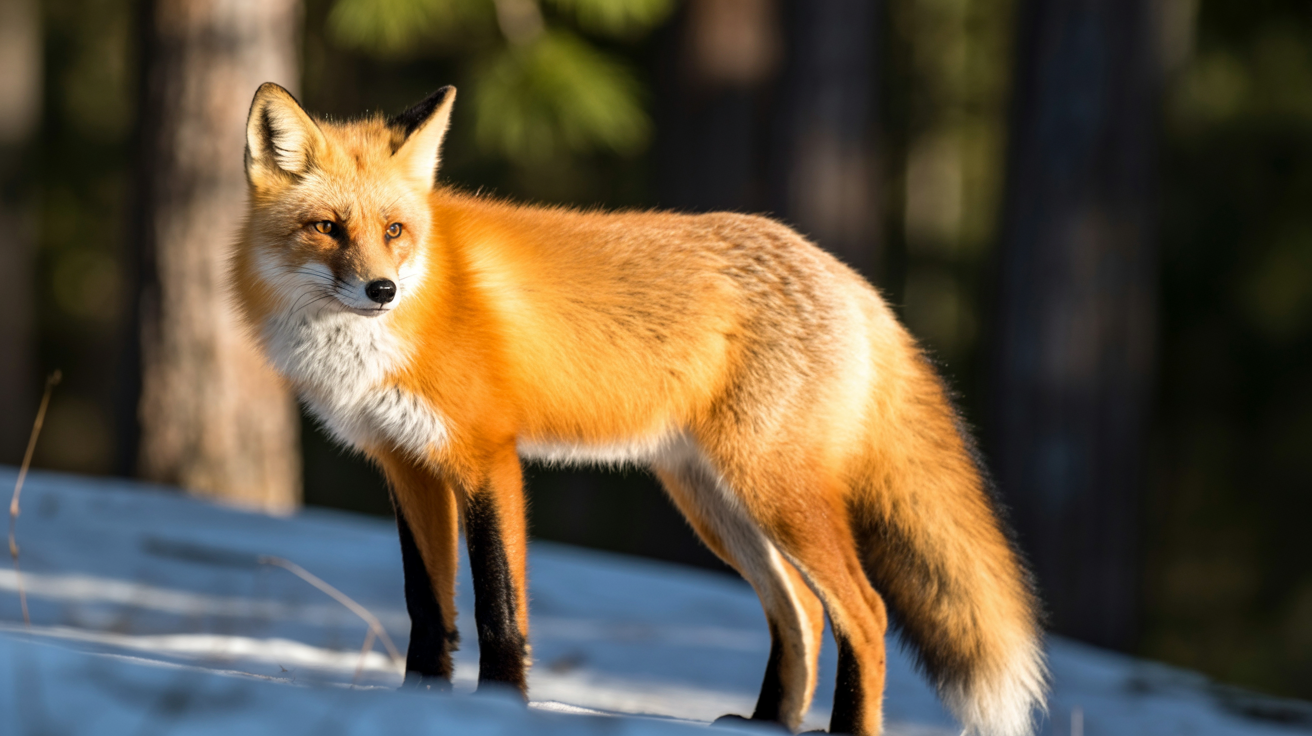
What Exactly Is a Fox?
Foxes are small to medium-sized mammals known for their sharp features, bushy tails, and impressive adaptability. They belong to the Canidae family, making them relatives of wolves, dogs, and coyotes. The most common species you’re likely familiar with is the red fox (Vulpes vulpes), but there are over 30 species of foxes found across the globe—from icy tundras to dense forests and even desert landscapes.
Foxes are typically solitary animals, and they’ve developed unique behaviors and traits to survive in a wide variety of habitats. They’re opportunistic feeders, sneaky hunters, and experts at staying hidden, which has made them a symbol of cleverness in many cultures around the world.
Want to dive into more unusual critters? Check out our 🦎 Loggerhead Sea Turtle facts to see another animal built for survival.
Where Do Foxes Live?
Foxes are found on nearly every continent except Antarctica. Their wide range is a testament to just how adaptable they are. Some of the most common habitats include:
- Forests: A favorite home for many foxes, especially red foxes and gray foxes.
- Deserts: The fennec fox lives in the scorching Sahara, using its huge ears to stay cool.
- Mountains: Arctic foxes survive frigid tundra conditions with thick fur and keen instincts.
- Urban Areas: Foxes are increasingly showing up in cities and suburbs, rummaging through trash cans and making homes in backyards.
This diversity in habitat is why you might spot a fox almost anywhere—from a quiet countryside trail to the edge of a bustling city.
Types of Foxes Around the World
There are more than 30 recognized species of foxes, each with its own appearance and personality. Let’s highlight a few:
Red Fox – The most widespread and commonly known fox, easily recognized by its reddish fur and white-tipped tail. They’re incredibly adaptable and thrive even in human-populated areas.
Arctic Fox – Found in the frigid zones of the Northern Hemisphere. These foxes sport white fur in the winter that turns brown in the summer for camouflage.
Fennec Fox – Tiny, desert-dwelling foxes with enormous ears that help regulate body temperature. They’re incredibly cute and almost cartoon-like in appearance.
Gray Fox – Known for its ability to climb trees, a rare trait among canines.
Want to learn about another animal that adapts to its environment in wild ways? You’ll love our 🐢 Green Sea Turtle facts.
What Do Foxes Eat?
Foxes are omnivores, which means they eat both meat and plants. Their diet can vary depending on what’s available, but some common menu items include:
- Small rodents like mice and voles
- Birds and their eggs
- Insects like beetles and grasshoppers
- Fruits and berries
- Earthworms and frogs
- Even garbage or pet food if they’re living near humans
Foxes are known to cache food—that is, they’ll bury leftovers to come back for later. This smart habit helps them survive when food becomes scarce.
How Do Foxes Hunt?
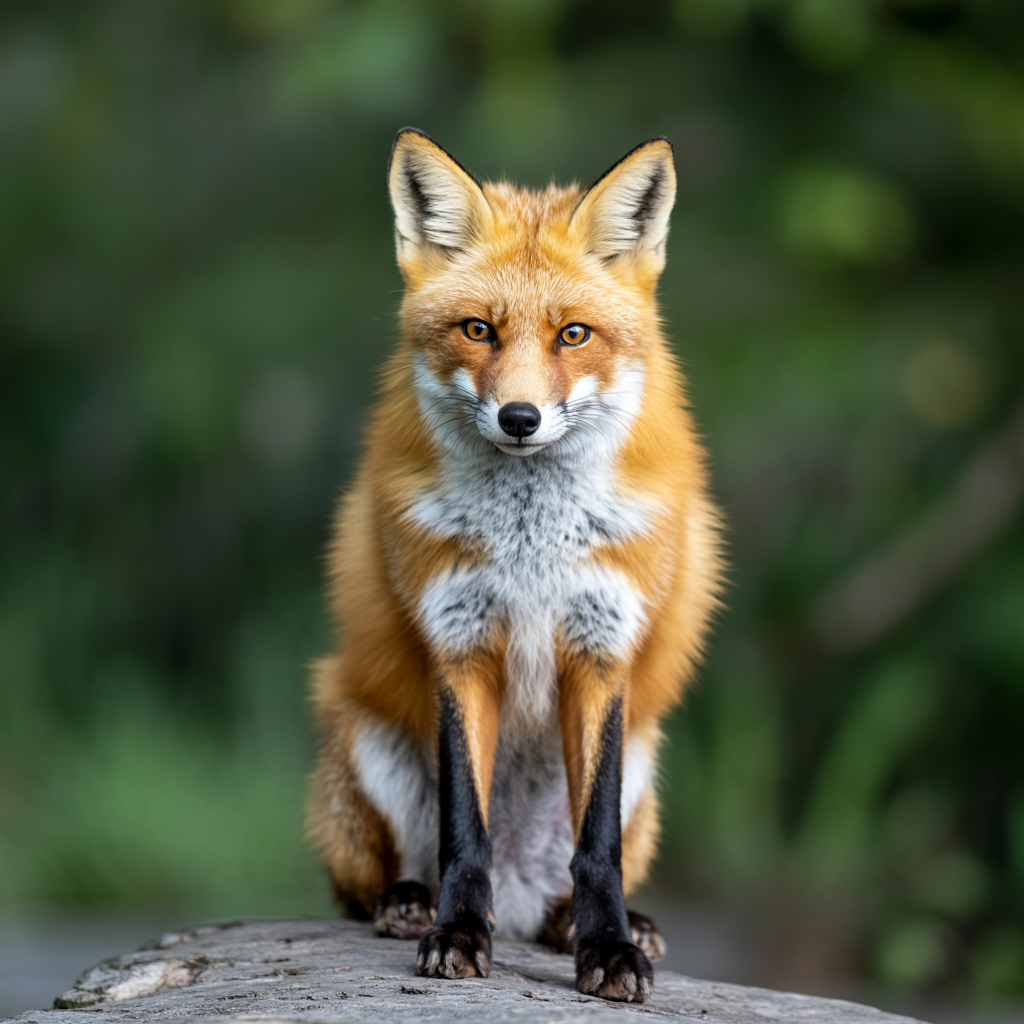
Foxes are clever, stealthy hunters that rely on more than just speed or strength. Their hunting technique is more like a game of chess. Most foxes, especially the red fox, hunt solo. They move quietly, using their sharp hearing and keen sense of smell to detect prey—often small animals like rabbits, mice, voles, or birds.
Once they’ve locked in on their target, they’ll crouch low and slowly creep forward before launching into a surprise pounce. That signature leap isn’t just for show—it’s deadly effective. If you’ve ever seen a fox leap into the air and dive nose-first into the snow, it’s probably using Earth’s magnetic field to line up the perfect strike.
Insects, fruits, and even eggs are also part of a fox’s diet, making them true opportunistic omnivores. This flexibility helps them survive in places as different as snowy forests, hot deserts, or even busy suburbs. Foxes aren’t picky—they’re survivors.
Where Do Foxes Live?
Foxes live nearly everywhere. From the frozen tundra of the Arctic to bustling city streets, they’ve figured out how to thrive in all kinds of environments. That’s part of what makes them so fascinating and fun to write about over on our Explore Critters Fox Corner.
Red foxes, for instance, are found across North America, Europe, Asia, and even Australia. Arctic foxes stick to cold northern regions, where their thick fur and compact body shape help retain heat. Meanwhile, gray foxes in the southern U.S. and Central America have claws perfect for climbing trees—yes, some foxes can climb.
Urban foxes are a newer phenomenon, especially in big cities like London or Chicago. They make homes in parks, under porches, or in abandoned buildings. Some folks even spot them in their backyard at night, silently trotting along the fence line.
No matter where they are, foxes adapt their habits, dens, and hunting styles to their surroundings. That’s how they’ve stayed one step ahead of humans for centuries.

Are Foxes Dangerous to Humans?
Foxes might look sneaky, but they generally aren’t a threat to people. They’d much rather run than fight. Most foxes will avoid human contact altogether, especially in the wild. If you see one up close, chances are it was just passing through.
There are exceptions, though. A fox that’s sick—especially one with rabies—can behave aggressively or strangely. That’s extremely rare, but it’s why wildlife experts say you shouldn’t try to feed or pet a wild fox.
Foxes can also become a nuisance if they start raiding chicken coops or garbage cans. That’s why it’s important to fox-proof any small livestock pens if you live in an area where foxes are common. We’ve got practical advice for that over at Backyard Chicken Pro if you’re raising chickens and need to keep them safe.
Still, foxes aren’t dangerous by nature. They’re more likely to charm you with their fluffy tails and clever eyes than cause any real trouble.
Do Foxes Make Good Pets?
It’s a question that comes up a lot: “Can I keep a fox as a pet?” The short answer? Not really.
Foxes are wild animals with instincts that don’t just disappear in captivity. Even if hand-raised, they tend to be skittish, messy, and unpredictable. They also smell strongly—like a skunk and a dog combined—and they mark their territory… often.
Some exotic pet breeders offer “domesticated” foxes, like the Russian silver fox, but even those are a handful. They need large enclosures, mental stimulation, and tons of attention. Most states in the U.S. also have strict laws about owning foxes.
If you love foxes (and let’s be real, who doesn’t?), the best way to enjoy them is by watching them in nature, supporting wildlife rescues, or diving into all the facts and stories over at our ExploreCritters.com fox page—your go-to spot for everything fox related.
What Makes Foxes So Special?
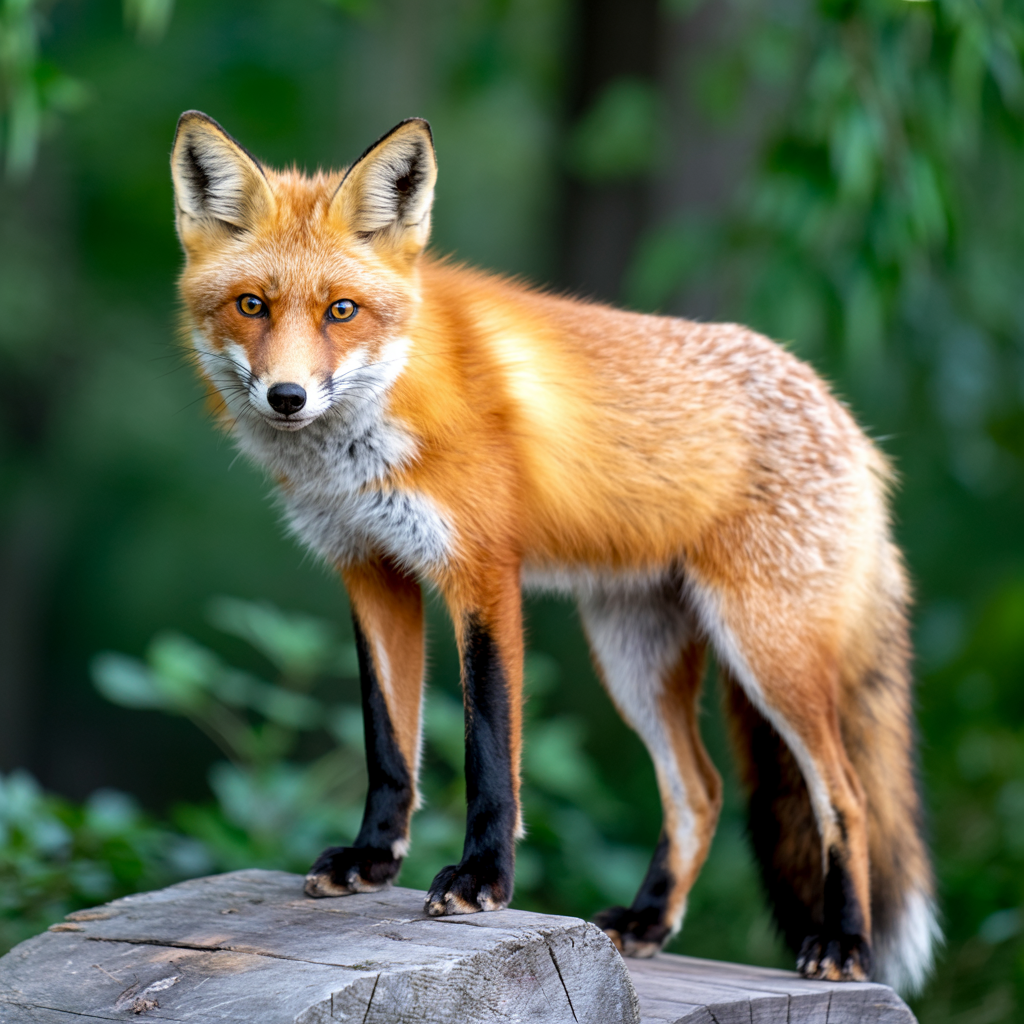
There’s a reason foxes have shown up in folklore, fairy tales, and pop culture for centuries. They’re mysterious and clever, with eyes that seem to understand more than they let on. But beyond their reputation as tricksters, foxes are adaptable, resilient, and deeply connected to the ecosystems they call home.
From the icy white coats of Arctic foxes to the fiery red fur of the classic red fox, these animals have evolved to thrive just about everywhere. They’re fast learners, resourceful hunters, and fiercely independent. Watching a fox in the wild—slinking through tall grass or diving into the snow—is an unforgettable sight.
Here at ExploreCritters.com, we’re all about celebrating incredible animals like foxes. If you’ve enjoyed learning about them, make sure to check out our full fox category page for more wild facts, photos, and real-world tips.
Foxes may be small, but they leave a big impression—and they’ve definitely earned their place in the spotlight on our site.