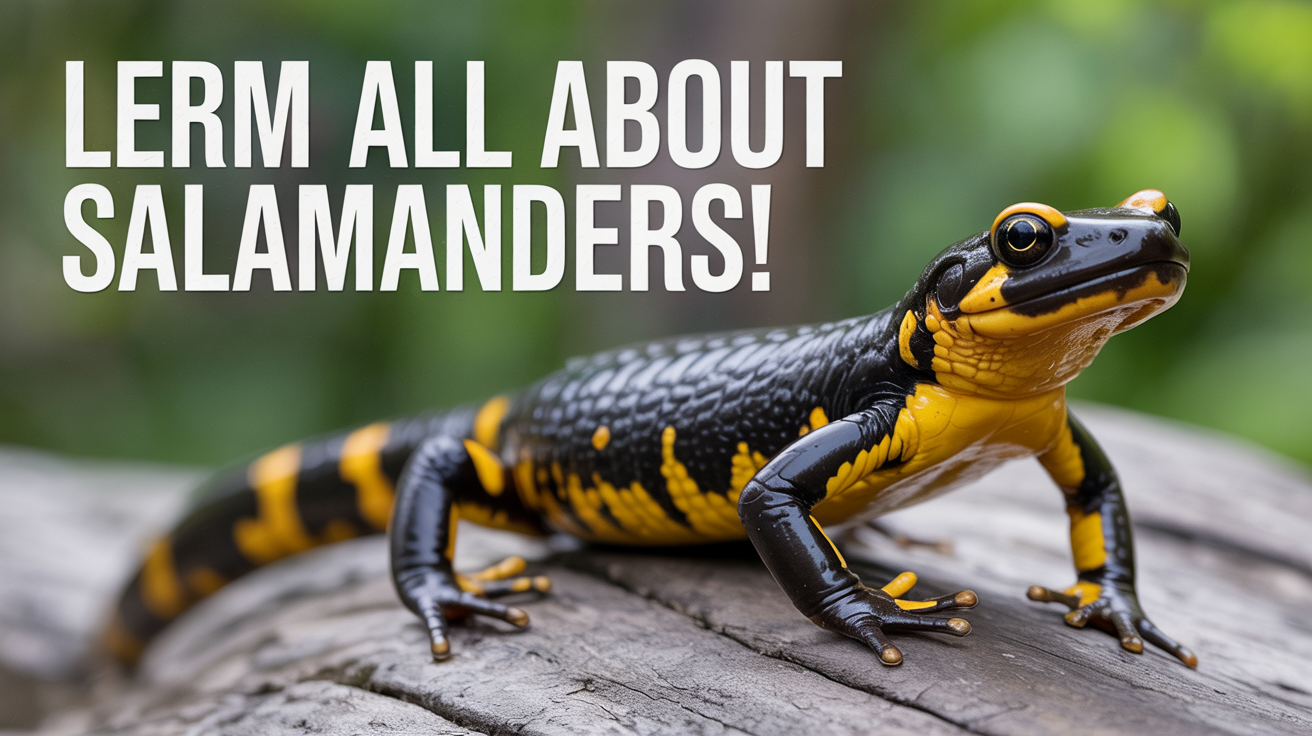
Why Salamanders Captivate Me (And Probably You Too)
On the first warm, rainy night of spring, I grab a flashlight and walk slowly along quiet forest roads. If I’m lucky, I’ll see a procession of small, shining shapes inching toward temporary woodland pools—salamanders on their annual migration to breed. Few wildlife moments feel as intimate and hopeful. If you’ve ever wondered what makes these secretive amphibians so special, I’ve gathered everything I’ve learned in one place so you can truly understand all about salamanders.
What Exactly Is a Salamander?
Salamanders are amphibians in the order Urodela (often used interchangeably with Caudata), a group defined by their slender bodies, tails that persist through adulthood, and soft, permeable skin. Think of them as the quieter, more nocturnal cousins of frogs and toads.
- Global distribution: Mostly in the Northern Hemisphere, with the greatest diversity in North America (especially the Appalachian region), followed by parts of Europe and Asia.
- Diversity: Over 700 species, from tiny lungless salamanders in leaf litter to river giants over five feet long in Asia.
- Lifestyle: Many are secretive, spending daylight hours under logs, stones, or underground, and foraging at night.
Because their skin is highly permeable, salamanders are closely tied to moisture. That’s why you’re most likely to see them on damp nights or in habitats where humidity stays high—think wet forests, mossy stream edges, and vernal pools.
All About Salamanders: A Snapshot of Their Evolution and Diversity
To understand all about salamanders, it helps to zoom out. Salamanders likely originated over 160 million years ago. Their lineages diverged into families that evolved remarkable specializations:
- Plethodontidae (lungless salamanders): The largest family. They breathe through their skin and the lining of the mouth, enabling agile, terrestrial lifestyles—even climbing through forest canopies in some species.
- Ambystomatidae (mole salamanders): Stocky, secretive species like tiger salamanders that breed in vernal pools and sometimes exhibit paedomorphosis (retaining larval features into adulthood).
- Salamandridae (newts and true salamanders): Many newts have a rougher skin texture and can live in both aquatic and terrestrial phases.
- Cryptobranchidae (giant salamanders): Including the Chinese and Japanese giants—fully aquatic, with flattened bodies adapted to fast-flowing, oxygen-rich rivers.
Some species are absolutely iconic—like the axolotl (Ambystoma mexicanum), famous for retaining its feathery gills and for its astonishing regeneration abilities. Others are masters of camouflage in decaying leaf litter, where they keep forest ecosystems in balance by eating countless invertebrates.
Bodies Built for Moisture, Stealth, and Survival
Skin: Their Superpower—and Their Vulnerability
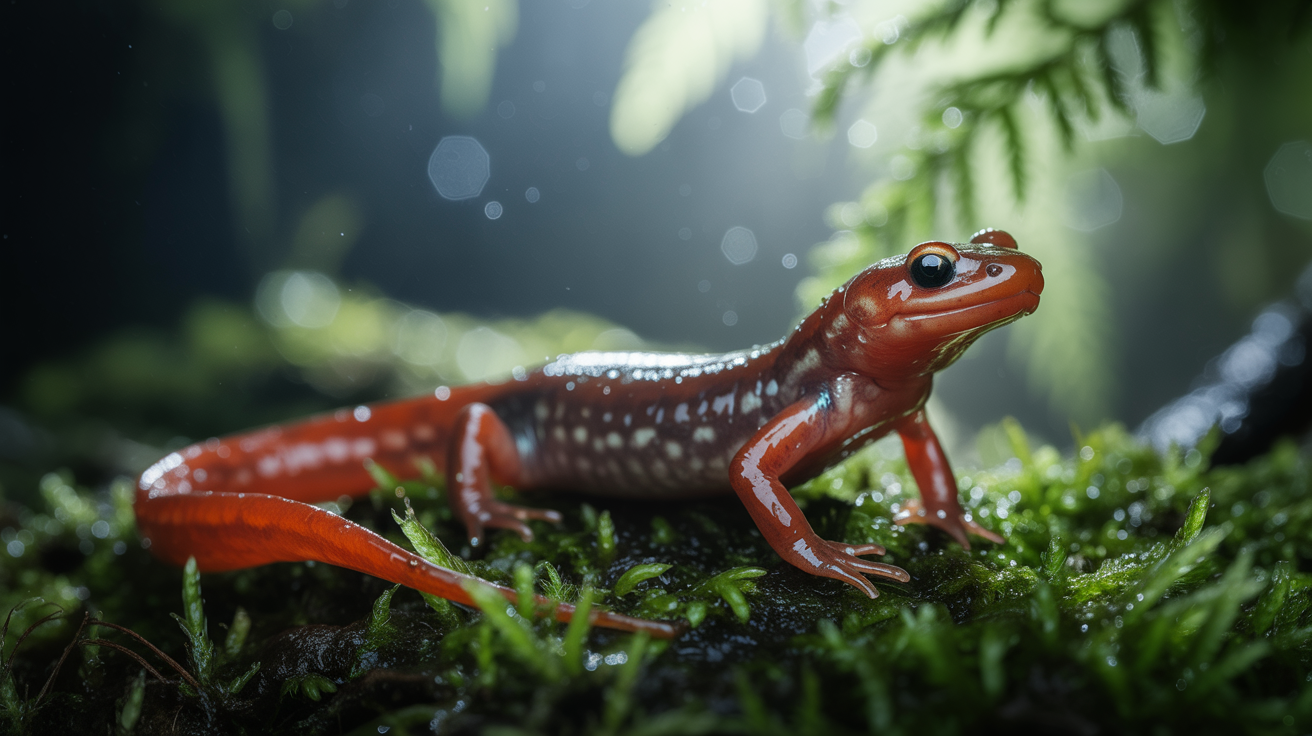
Salamander skin is extraordinary: thin, moist, and permeable. It lets oxygen and water pass through, which is essential for respiration and hydration. But that same wonder also makes them sensitive to pollution, pesticides, road salt, and even sunscreen or lotion residues on human hands.
- Moisture dependence: They need damp conditions to keep their skin functional and avoid desiccation.
- Toxin glands: Many species have skin secretions that deter predators. The rough-skinned newt’s toxin can be potent if ingested; always avoid touching your face after handling any amphibian, and wash hands thoroughly afterward.
Breathing: More Than Just Lungs
While some salamanders have lungs, many—especially in the Plethodontidae family—are lungless and rely on cutaneous (through the skin) and buccopharyngeal (mouth/throat) respiration. Fully aquatic salamanders and larvae have external gills, those beautiful, feathery structures fanning out from the neck that extract oxygen from water.
Movement: Quiet Steps, Powerful Tails
Most salamanders move with a gentle side-to-side gait, using the tail for balance and propulsion. Aquatic species undulate their bodies and tails to swim, while terrestrial species slip through leaf litter with almost uncanny silence.
Life Cycle: Eggs, Larvae, Metamorphosis—and Paedomorphosis
Breeding strategies vary, but here’s the classic arc:
- Courting: Many salamanders use pheromones and intricate dances. In most families, males deposit a spermatophore (a packet of sperm) on the substrate; females pick it up with the cloaca for internal fertilization.
- Eggs: Laid in clusters either in water (ponds, streams, vernal pools) or on land in moist microhabitats (some species guard their eggs).
- Larval stage: Aquatic larvae have gills and feed on small invertebrates. Depending on species and conditions, larvae may metamorphose into terrestrial juveniles or remain aquatic longer.
- Metamorphosis: Hormonal shifts resorb gills, remodel the body, and prepare the animal for land.
- Paedomorphosis: In some species or populations (famously the axolotl, and occasionally tiger salamanders), salamanders retain larval traits, remain aquatic, and still become sexually mature.
The timing of these stages is tuned to rainfall, temperature, and resource availability. A drought can delay metamorphosis; a cool, wet spring can trigger mass movements—what many nature lovers call the “Big Night.”
Diet: Efficient Insect Controllers and More
Salamanders are carnivores with appetites for small invertebrates and occasional tiny vertebrates.
- Main menu: Insects, spiders, worms, slugs, and snails; aquatic species favor insect larvae, small crustaceans, and tadpoles.
- Feeding style: A quick tongue flick or a swift gulp, depending on species and prey.
- Why it matters: By consuming huge numbers of invertebrates, salamanders help keep forest and freshwater food webs in balance.
Curious about their neighbors on the dinner table? Explore this complete guide to crayfish—a key part of many aquatic ecosystems—and dive into our snail facts and guide to see how these slow-moving grazers fit into the same habitats.
Regeneration: Nature’s Masterclass in Healing
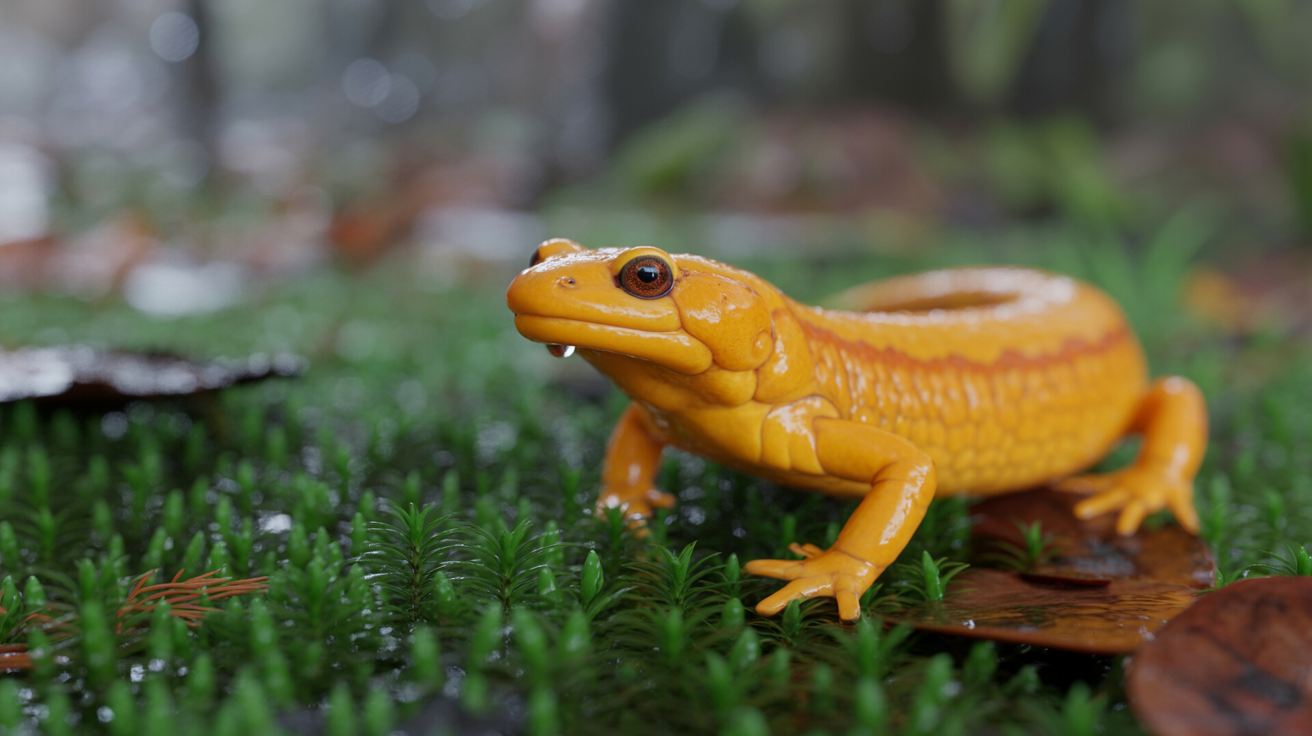
One of the most astonishing things you’ll learn when you go all about salamanders is their regenerative ability. Some salamanders and newts can regrow lost limbs, tails, parts of the heart, spinal cord, and even the lens of the eye. The axolotl is a superstar here, making it a model organism for studying tissue regeneration and wound healing. While this doesn’t make salamanders invincible, it does highlight their unique biology—and why protecting their habitats can aid scientific breakthroughs.
Are Salamanders Dangerous? Toxicity, Handling, and Safety
Salamanders are not aggressive, and they’re not venomous. However, many produce skin toxins to deter predators. These can irritate mucous membranes if you rub your eyes or mouth after handling.
- If you must handle: Wet your hands with clean, dechlorinated water, handle gently and minimally, and wash thoroughly afterward.
- Better yet: Observe without touching. Their skin is delicate, and our hands can harm them.
Important: Never keep wild-caught salamanders as pets. Collection can harm local populations, and regulations often prohibit it. If you love amphibians, consider responsible captive-bred species and learn their exact care requirements first.
Salamanders vs. Lizards: Clearing Up a Common Confusion
People often mistake salamanders for lizards. A quick way to tell: salamanders are amphibians with moist, permeable skin, while lizards are reptiles with scales and claws. Lizards lay leathery eggs on land, and many bask in the sun; salamanders avoid drying out and usually stick to shaded, humid places.
Where and When to See Salamanders
To find salamanders in the wild, think damp and quiet. Here’s what works for me:
- Season: Early spring to early summer for breeding migrations; humid nights year-round in mild climates.
- Weather: Warm, rainy nights are best. After dark, use a dim headlamp or flashlight.
- Habitat: Vernal pools, stream edges, mossy logs, and shaded forest floors.
Lift logs and rocks only if absolutely necessary—then replace them exactly as you found them. Those micro-habitats are life-or-death shelter for salamanders and countless other creatures.
To broaden your understanding of the wild neighbors in your yard, check out these backyard wildlife facts you didn’t know. You might be surprised by how many species share your space at night.
Frogs, Turtles, and Other Neighbors in the Amphibian-Reptile Neighborhood
If you love salamanders, you’ll likely enjoy getting to know their amphibian cousins and reptile neighbors, too:
- Frogs: Their calls often announce the start of salamander season. Dive into Green Tree Frog facts to see how different amphibian life strategies can be.
- Reptiles and amphibians hub: Explore more species profiles and care guides in our reptiles and amphibians collection.
- Salamander-specific reads: Keep an eye on our latest salamander articles as we spotlight more species and conservation updates.
Conservation: Real Threats, Real Solutions
Knowing all about salamanders also means recognizing their challenges. These are the big ones:
- Habitat loss and fragmentation: Urbanization, logging, and stream alteration reduce breeding habitat and shelter.
- Pollution: Pesticides, road salt, and runoff damage their sensitive skin and breeding pools.
- Disease: Chytrid fungi are major threats; Batrachochytrium salamandrivorans (Bsal) has devastated some European salamander populations and is a serious global concern.
- Climate change: Shifts in rainfall and temperature can disrupt breeding cycles and larval development.
- Road mortality: During migration nights, thousands can be killed on roads in a single region.
What You Can Do
- Protect vernal pools and forested buffers; keep streams shaded and natural.
- Avoid pesticides and herbicides, especially near wet areas.
- During migration nights, slow down on known crossing roads; support local “salamander crossing” initiatives.
- Never release pet amphibians into the wild; diseases can spread to native populations.
- Garden with native plants and maintain leaf litter and logs where appropriate—these create micro-habitats.
Field Etiquette: How to Be a Salamander’s Best Ally
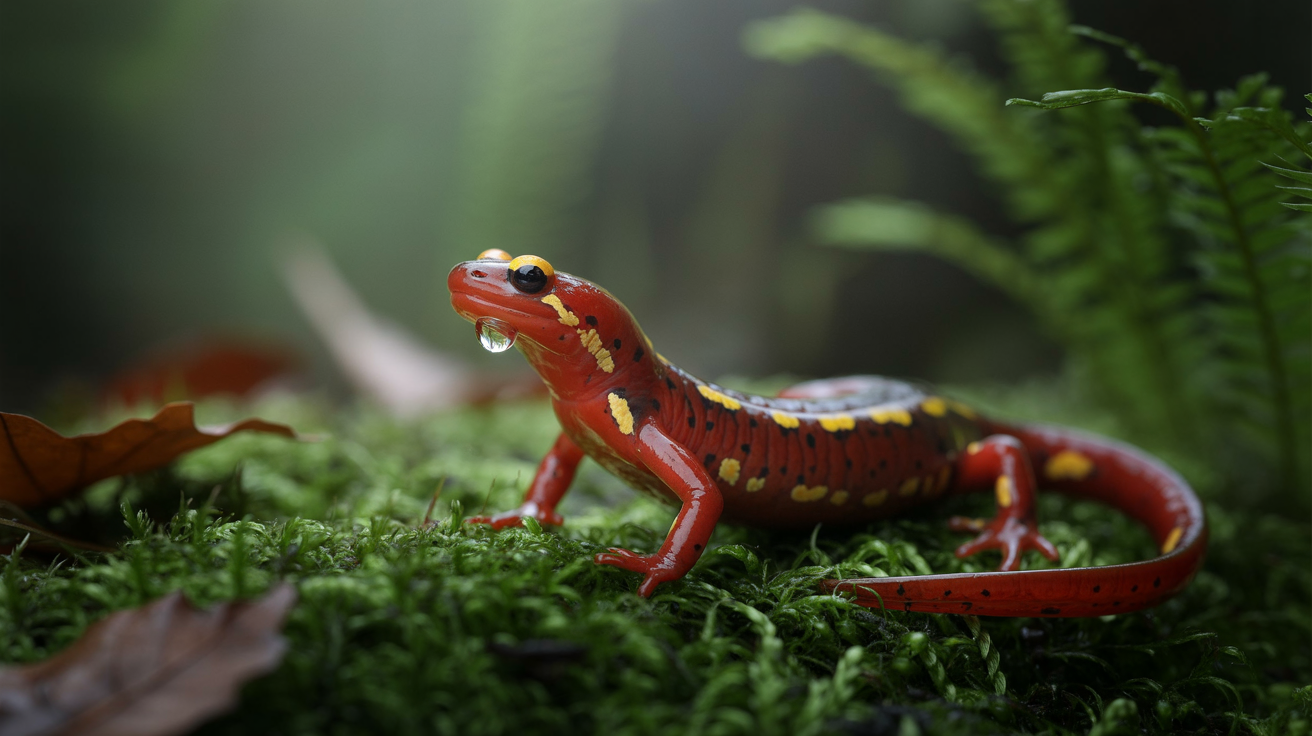
Want to search for salamanders responsibly?
- Use a soft, diffuse light; avoid blinding animals with high beams.
- Don’t handle unless necessary for rescue (e.g., moving one off the road), and always with clean, wet hands.
- Disinfect boots and gear between wetlands to reduce the risk of spreading pathogens.
- Replace cover objects exactly as found.
If you’re exploring amphibian-rich spots, you’ll likely find other fascinating critters—frogs, snails, and even crustaceans. That complete guide to crayfish I mentioned earlier is especially helpful if you’re exploring streams and ponds.
Frequently Asked Questions: Your Quick Guide to All About Salamanders
Do salamanders drink water?
Not in the way mammals do. They absorb water through their skin, which is why moisture and clean habitats are essential.
Can salamanders breathe underwater?
Larvae (and some aquatic adults) use external gills to breathe in water. Many adult salamanders rely on cutaneous respiration and need moist environments to stay oxygenated. Species specifics vary widely.
Are salamanders good for gardens?
They can be! Salamanders help control invertebrates in moist garden beds, especially where leaf litter and logs provide shelter. Avoid chemicals that could harm them.
What’s the difference between a salamander and a newt?
Newts are salamanders; they belong to the family Salamandridae. Many newts are more aquatic as adults and can have rougher skin than some other salamanders.
Are salamanders endangered?
Some are, some aren’t. Many populations face local declines due to habitat loss, disease, and climate change. Conservation status depends on species and region.
Can I keep a salamander as a pet?
If you’re interested, choose captive-bred individuals from reputable sources and study their specific care needs. Never take salamanders from the wild, and always follow local regulations.
The Joy of Discovery: Why Learning All About Salamanders Matters
Salamanders may be humble forest dwellers, but once you start paying attention, you’ll notice the world shifting around them: the timing of spring rains, the chorus of frogs, the flash of a hunting owl, the shimmer of invertebrate life under a rotting log. They’re a living barometer for the health of our ecosystems.
If your curiosity is pulling you to explore further, here are a few natural next steps:
- Listen for amphibian neighbors and learn who’s calling. Combine that knowledge with the Green Tree Frog facts and your nighttime walks will never sound the same.
- Get the bigger picture of your yard’s nocturnal community with these backyard wildlife facts you didn’t know.
- Keep exploring amphibians and reptiles through our reptiles and amphibians hub, and watch for new salamander articles as we dive deeper into species profiles, conservation news, and field tips.
Field Notes From the Heart
I still remember the first time I nudged a spotted salamander off a busy road during a rainstorm. It felt like escorting a tiny, ancient traveler to a family reunion in the woods. Moments like that are why I care so much—why learning all about salamanders is more than trivia. It’s a way to notice the small, quiet lives that help keep our forests breathing. And it’s a reminder that our choices—what we put on our lawns, how we drive on rainy nights, whether we leave a few logs and leaves for cover—can make a real difference.
If you’ve read this far, I suspect you feel it too. Here’s to damp nights, soft footfalls, and the gentle magic of salamanders.