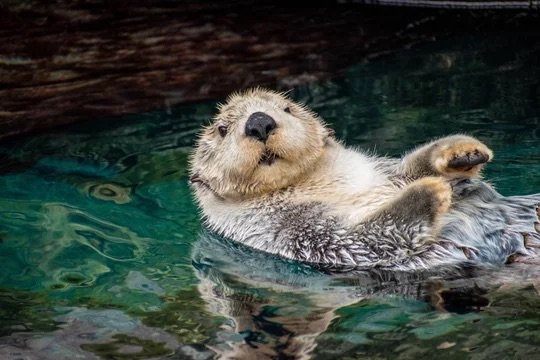
Curious, clever, and endlessly entertaining, otters are some of the most captivating mammals you can watch in the wild. Whether you’ve spotted a river otter slipping through a stream at dawn or seen a sea otter floating on its back with a shell on its belly, there’s always more to learn when you set out to discover otters. In this comprehensive guide, we’ll explore otter species around the world, their habitats and diets, the adaptations that make them incredible swimmers, their social lives, conservation challenges, and practical tips for spotting them responsibly. Along the way, we’ll share related resources so you can keep exploring connected wildlife topics.
Meet the Otters: Species at a Glance
Otters belong to the mustelid family (which also includes weasels, badgers, and wolverines). There are 13 recognized otter species worldwide, ranging from the ocean-dwelling sea otter to the giant otter of South America. While they share a streamlined body, powerful tail, and dense fur, each species has unique features tailored to its environment.
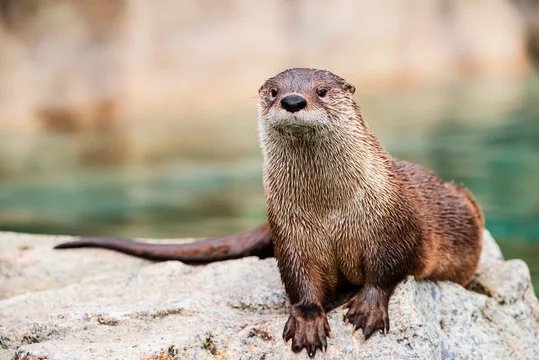
- North American River Otter (Lontra canadensis): A versatile freshwater hunter found across much of North America. Agile, fast, and equally at home in slow rivers, marshes, and coastal estuaries.
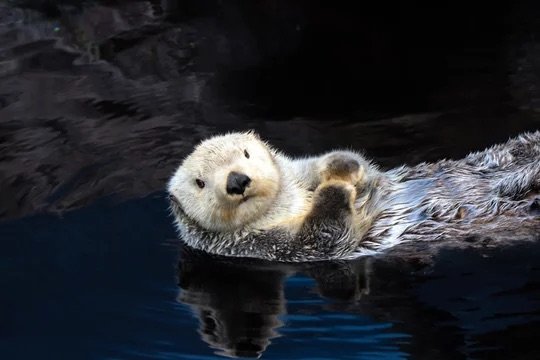
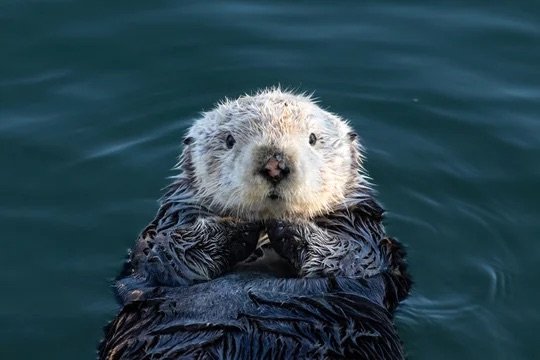
- Sea Otter (Enhydra lutris): A marine specialist of the North Pacific famous for floating on its back and using tools. Its fur is the densest of any mammal, critical for survival in cold water.
- Giant Otter (Pteronura brasiliensis): The Amazon Basin’s apex mustelid, reaching up to six feet long. Highly social and extremely vocal.
- Asian Small-Clawed Otter (Aonyx cinereus): The smallest otter species, with partially webbed paws and impressive dexterity for probing mud and turning stones.
- African Clawless Otter (Aonyx capensis): Common across sub-Saharan Africa, often active at night and skilled at foraging for crabs and fish.
Want to keep learning about these charismatic mammals? Explore more stories, species spotlights, and fun facts in our dedicated otter category.
Where Otters Live: Habitats from Kelp Forests to Mountain Streams
When you discover otters, you discover a world of watery habitats. Otters are tied to water for hunting, grooming, and travel, but they den (or “holt”) on land. Here’s a snapshot of their homes:
- Rivers and Streams: River otters prefer clean, fish-filled waters with abundant cover (overhanging banks, logs, and vegetation). They’ll also use lakes, reservoirs, and wetlands.
- Coastal Estuaries: Brackish zones where rivers meet the sea often host rich prey and sheltered coves—prime otter territory.
- Kelp Forests: Sea otters rely on kelp forests not just for food, but also for shelter. They wrap in kelp fronds to keep from drifting while they rest.
- Mangroves and Marshes: In Asia and Africa, some otters patrol mangroves or marshlands, using shallow waters to root out crabs and mollusks.
Regional biodiversity matters: the presence of certain prey and plants can make or break otter habitat. If you enjoy exploring broad wildlife regions, take a look at our overviews like Animals of Africa or browse Animals of North America to understand where your local otters fit into the ecosystem.
What Otters Eat: From Crayfish to Sea Urchins
Otters are carnivores with a taste for aquatic fare, but their menus vary widely by species and region:
- River otters: Fish, amphibians, small turtles, and especially crustaceans like crayfish.
- Sea otters: Sea urchins, crabs, clams, mussels, snails, and fish—often cracked open with rocks used as tools.
- Giant otters: Larger fish and occasionally small caimans or birds; they hunt cooperatively.
Crayfish are a favorite for many freshwater otters thanks to their abundance and caloric payoff. Curious about these crunchy river snacks? Explore the fascinating world of crayfish and how they shape freshwater food webs. For an even broader dive into aquatic neighbors and prey, browse our freshwater creatures hub and the wider realm of fish and sea life.
Built for Water: Otter Adaptations You’ll Want to See
Otters are textbook examples of aquatic adaptation. Here’s how they thrive where water and land meet:
- Hydrodynamic bodies: Streamlined shape, powerful tails, and webbed feet enable agile swimming and fast pursuit of prey.
- Super-fur: Sea otters boast up to a million hairs per square inch. All otters rely on their fur’s trapped air for insulation—hence their constant grooming to keep it clean and buoyant.
- Whisker magic: Vibrissae (whiskers) detect vibrations from fish and crustaceans in murky water.
- Efficient lungs and blood: Otters can hold their breath for minutes and shunt oxygen to critical organs during dives.
- Tool use: Sea otters stash a favorite stone in a loose skin fold and crack open stubborn shells—one of the few non-primate tool users.
Social Lives and Behavior: Rafts, Romps, and Territory
Discovering otters is as much about their personalities as their biology. River otters are often seen alone or in small family groups, while sea otters can gather in “rafts” of dozens. Giant otters live in tight-knit family groups that defend territories and communicate with an impressive array of chirps, whistles, and barks.
Play is serious business for otters. Sliding down snowy riverbanks or wrestling in the shallows hones hunting skills, strengthens social bonds, and keeps muscles toned. Otter latrine sites, known as “spraint” stations, serve as information hubs where individuals exchange scent messages about territory, identity, and reproductive status.
Otters vs. Beavers: Who Builds, Who Hunts?
Because both animals frequent lakes and rivers, people sometimes mix up otters and beavers. Here’s the quick breakdown:
- Beavers: Herbivores that engineer ecosystems by building dams and lodges. Their broad, flat tails and chisel-like teeth are unmistakable.
- Otters: Carnivores that hunt fish and crustaceans. They have long, tapered tails and sharp, conical teeth.
If you’re fascinated by how waterways are shaped and maintained, you’ll love learning about beavers—nature’s greatest engineers. For a diet deep-dive, see what beavers eat, and compare how these two mammals occupy different niches while sharing the same rivers.
Conservation Status: Threats and What Helps
Otters are resilient, but they face several modern challenges:
- Habitat loss and fragmentation: River channelization, wetland drainage, and shoreline development reduce hunting grounds and den sites.
- Pollution: Oil spills, pesticide runoff, and heavy metals can poison otters or their prey. Because otters are top predators in their food webs, toxins bioaccumulate.
- Overharvesting of prey: Depleted fisheries and urchin booms or busts can destabilize otter diets.
- Human conflict: In some areas, otters are perceived as competitors for fish or are accidentally caught in traps or nets.
Thankfully, many otter populations have rebounded where water quality and protections improved. Sea otters, once driven to near-extinction by the fur trade, are making comebacks in some regions thanks to marine protected areas and vigilant conservation efforts. For ethical practices that support wildlife where you live and play, explore these ideas for respecting wildlife homes.
Otters Near You: How to Spot Them
Looking to discover otters in your local waters? Try these tips:
- Timing: Dawn and dusk are prime hours when otters are active and light is soft.
- Signs: Look for slides on muddy banks, fish scales near rocks, latrine sites (spraint), and footprints with webbing.
- Habitat: Slow pools, bends in a river, estuary edges, and marsh inlets are productive spots to scan.
- Behavior cues: A sleek head popping up, followed by a long, sinuous body and tapered tail; quick dives and resurfacing with prey.
- Listen: Chirps, huffs, and whistles are common, especially among family groups.
If you enjoy wetland soundscapes, learning to recognize other voices around otter habitat—like amphibian calls—can level up your outings. This guide to identifying frog calls helps you tune into nature’s nighttime chorus while you wait for an otter to surface.
Otters and People: Coexistence Tips
Otters are generally shy of humans, but respectful behavior keeps both them and us safe:
- Give space: Use binoculars or a camera with a zoom lens. If an otter stares, huffs, or dives repeatedly, you’re too close.
- Leash pets near water: Curious dogs can trigger defensive behavior from protective otter parents. Brush up on pet behavior and safety with these dog facts and myths or browse the broader dogs category for family-friendly tips.
- Never feed wildlife: Handouts teach bad habits and can lead to harmful human-wildlife interactions.
- Pack it out: Trash (especially fishing line) kills. Keep shorelines clean.
- Know local rules: Some areas protect resting or pupping sites; check signage and guidelines.
Sea Otter Spotlight: Guardians of the Kelp Forest
Sea otters are keystone predators: remove them, and coastal ecosystems unravel. Their favorite prey—sea urchins—can mow down kelp forests if left unchecked. When sea otters are present, urchin populations stay balanced, kelp forests flourish, and biodiversity blooms, benefiting fish nurseries, seabirds, and invertebrates alike.
This top-down control is a textbook example of a trophic cascade. Kelp forests buffer storms, sequester carbon, and create habitat for a dazzling variety of marine life. If marine food webs fascinate you, keep exploring the ocean realm in our fish and sea life category.
Seasonal Stories: Otters Through the Year
Otters don’t hibernate, so their seasonal rhythms revolve around water temperature, prey cycles, and breeding:
- Winter: River otters still hunt under ice, using breathing holes and gaps where current prevents freezing. Snow makes slides and tracks especially easy to spot.
- Spring: Many river otter pups are born late winter to spring. Mothers teach them to swim a few weeks after birth—one of nature’s most adorable “swim lessons.”
- Summer: Longer days and warm water bring abundant prey; family groups roam widely.
- Autumn: Otters fatten up for colder months; coastal sea otters may shift prey as urchin numbers fluctuate.
How Otters Shape Ecosystems
Beyond being delightful to watch, otters are ecological linchpins. Freshwater otters regulate fish and crustacean populations, keeping waters healthy and balanced. Their latrine sites redistribute nutrients onto shorelines, fertilizing riparian plants. In the ocean, sea otters’ urchin control preserves kelp forests, which in turn stabilize coastlines and provide essential habitat for countless species.
To appreciate these connections, it helps to explore the wider cast of aquatic critters that share otter habitat—from minnows and amphibians to turtles and birds. Dive into our hubs for freshwater creatures and birds to see how food webs interlock around rivers and coasts.
Traveling to Discover Otters: Where to Look Around the World
Depending on where you live, your best bet for wild otter sightings will vary:
- North America: River otters are reappearing in restored rivers and urban waterways; sea otters are most reliably seen along parts of the Pacific Coast. Start with our regional overview in Animals of North America.
- South America: The Pantanal and Amazon Basin are prime spots for the giant otter—a bucket-list wildlife encounter.
- Europe: Conservation success has brought Eurasian otters back to many rivers after decades of decline.
- Africa: Seek African clawless otters along large rivers and wetlands; learn more context in our Africa wildlife guide.
- Asia: Mangroves and rice paddies host smooth-coated and small-clawed otters; some urban parks in Southeast Asia even see otter families passing through.
Photography and Ethics: Getting the Shot Without the Stress
Otters are photogenic, but their survival always comes first. Use long lenses, avoid blocking escape routes, and keep quiet—especially around mothers with pups. If you’re kayaking or paddleboarding, give wide berth to haul-outs and feeding areas. The guiding principle is simple: if your presence changes an otter’s behavior, you’re too close.
Frequently Asked Questions About Otters
Are otters dangerous? Otters are not aggressive toward humans unless provoked or cornered—especially mothers with pups. Keep your distance, and never attempt to feed or touch them.
Do otters attack pets? Conflicts are rare but possible if dogs approach too closely. Keep dogs leashed and under control around waterways. For pet-safety basics and behavior insights, see our dogs category.
How long do otters live? Wild river otters often live 8–12 years; sea otters can reach the mid-teens, sometimes longer in protected environments.
Do otters build dams? No. That’s a beaver specialty. Otters may use abandoned beaver lodges or natural bank hollows as dens, though. Compare their roles by reading about beaver engineering.
What’s the biggest otter? The giant otter of South America can reach lengths of six feet, making it the heavyweight of the otter world.
How can I help otters? Support clean-water initiatives, reduce single-use plastics, choose sustainable seafood, and advocate for protected rivers, wetlands, and coastal kelp forests. Respectful recreation—like the practices in this coexistence guide—goes a long way.
Field Notes: Signs You’ve Found Otter Country
Want to confirm whether you’re in otter territory? Look for:
- Slides: Smooth tracks down muddy or snowy banks used for quick entry and playful travel.
- Spraint sites: Concentrated latrines with fishy-smelling droppings containing scales, shell bits, or bones.
- Tracks: Five-toed prints with webbing marks in mud or sand; tail drags are less common than for beavers.
- Feeding stations: Piles of cracked shells, fish heads, or crayfish parts on favored rocks.
Why “Discover Otters” Is a Gateway to Loving Your Local Waters
Otters are more than charismatic ambassadors; they’re indicators of healthy ecosystems. When you spot an otter, you’re seeing the end result of clean water, robust food webs, and connected habitats. Protecting them protects countless other species—and the rivers and coasts we love to explore.
If you enjoy connecting the dots between species in your area, continue your journey through our nature hubs. From aquatic invertebrates to birds and beyond, you’ll find plenty to feed your curiosity in our collections of freshwater creatures and wider sea life. For a steady stream of otter-centric reads, browse the latest in our otter articles.
Keep Exploring Related Wildlife
- Otter articles and species spotlights
- Crayfish: A complete guide to crawdads
- Learn all about beavers—nature’s greatest engineers
- Freshwater creatures hub
- Fish and sea life hub
- Animals of North America
- Identifying frog calls in wetlands
- Dogs: tips for safe adventures near water
From river bends and marsh edges to kelp forests rolling in the surf, otters show us what thriving water looks like. The more we discover otters, the more we discover the deep, living connections that tie our landscapes—and our lives—together.