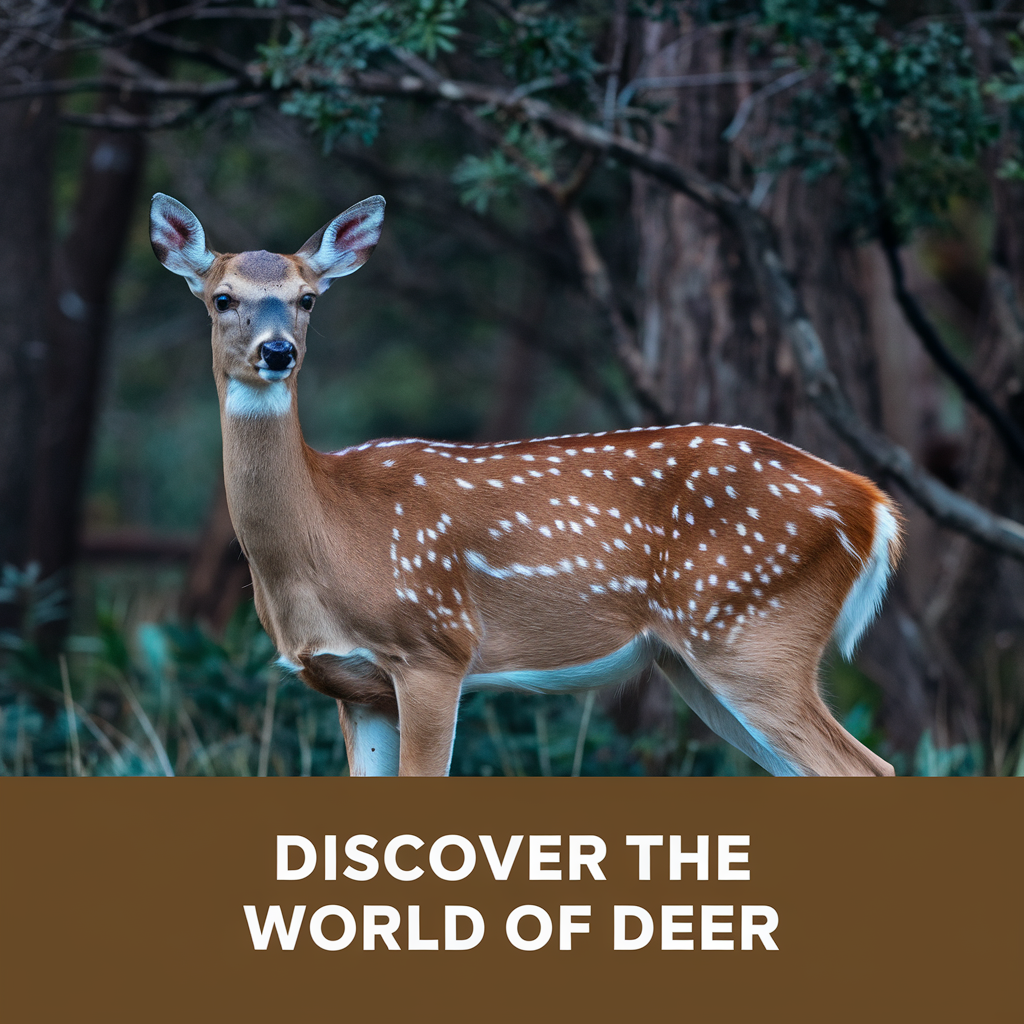
Step into the woods with me: meeting deer where they live
If you’ve ever frozen on a trail as a quiet shape resolved into a whitetail, you already know the magic. In this guide, I invite you to discover the world of deer the way I’ve come to know it—through early-morning breaths in cool air, hoofprints in soft mud, and a deep respect for one of nature’s most adaptable mammals. We’ll explore how deer live, what they eat, why antlers grow and fall, and how we can share space with them responsibly. I’ll keep it practical and 100% factual, with plenty of quick takes so you can skim or settle in. Ready to discover the world of deer up close?
Deer 101: what makes a deer a deer
Deer belong to the family Cervidae—ruminant mammals with cloven hooves and, in most male species, antlers that are shed and regrown each year. That single detail—antlers, not horns—is a defining feature. Horns (think bighorn sheep) are permanent keratin structures. Antlers are bone, fueled by astonishing summer growth, then dropped at the end of the season. One fascinating exception: both male and female caribou (reindeer) grow antlers.
Familiar faces in the deer family
- White-tailed deer (Odocoileus virginianus): Common across much of North America; the flagging white tail is their signature.
- Mule deer (Odocoileus hemionus): Western cousin of the whitetail, with big “mule-like” ears and forked antlers.
- Elk (Cervus canadensis): Sometimes called wapiti; towering antlers and haunting bugles in autumn.
- Moose (Alces alces): The largest of all deer, with broad palmate (open-hand-shaped) antlers in males.
- Red deer (Cervus elaphus) and roe deer (Capreolus capreolus): Widespread across Europe.
- Sika deer (Cervus nippon): Native to East Asia; introduced populations exist elsewhere.
- Caribou/reindeer (Rangifer tarandus): Arctic specialists and long-distance migrants.
Deer are naturally absent from Antarctica and most of sub-Saharan Africa. (African “antelopes” aren’t deer; they’re bovids with horns.) Everywhere else—from boreal forests to suburban hedgerows—deer have found a way to thrive. For a broader regional look at their neighbors, browse our Animals of North America collection.
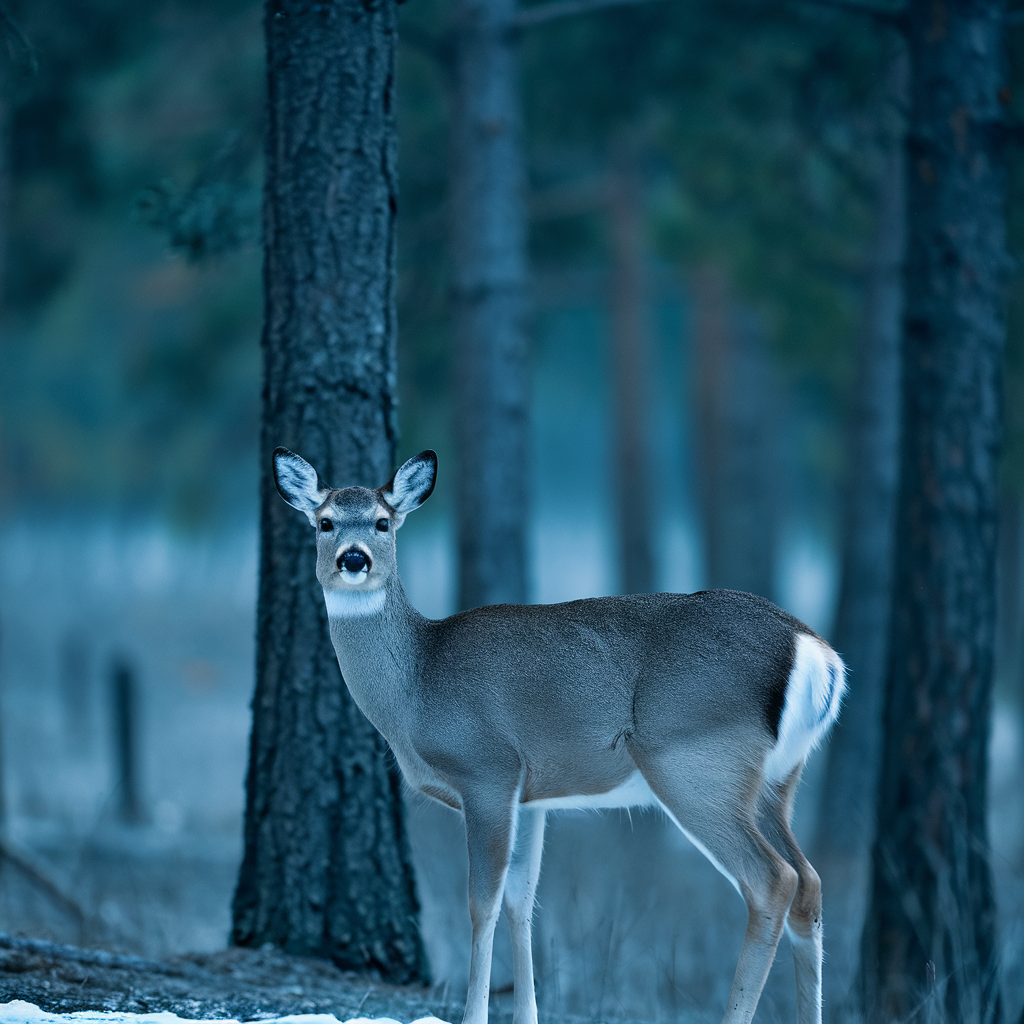
Built for alertness: senses and anatomy
To discover the world of deer is to appreciate their superpowers. Their eyes sit on the sides of the head, giving a wide field of view to spot movement. Deer are most active at dawn and dusk—crepuscular—so their retinas are packed with rods for low-light vision. They see blues and greens better than reds, and they detect motion extremely well.
Their hearing and smell are equally keen. Mobile ears catch faint twigs snapping; a moist nose samples scent trails like a living radar. Below, cloven hooves grip soft ground and snow, and a pair of dewclaws can record in tracks when deer bound. Inside, a four-chambered stomach lets them ferment and re-chew tough plant matter. Watch them bed down and “chew cud,” and you’re seeing digestion in action.
Antlers: living bone, velvet, and the language of the rut
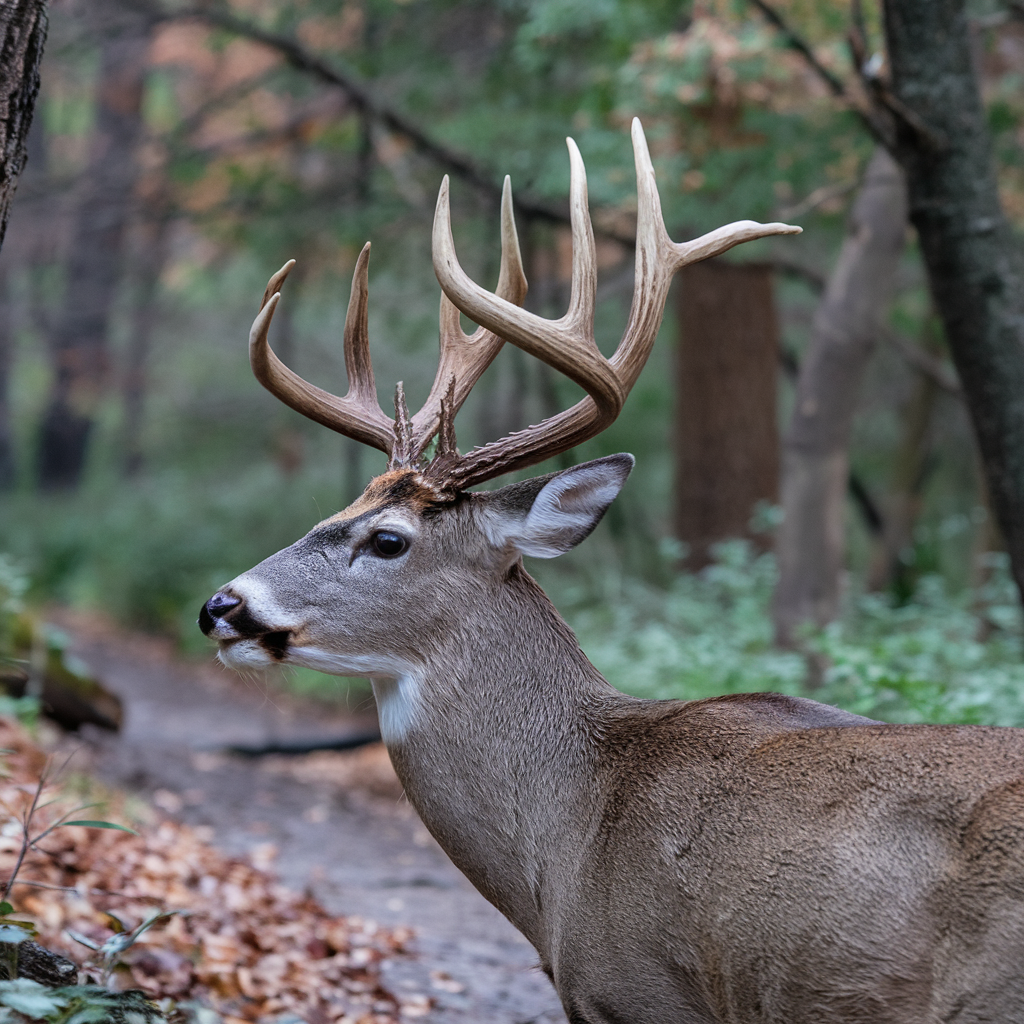
Antlers are among the fastest-growing bones in the animal kingdom. Fueled by summer nutrition, they push upward under a skin called velvet—rich with blood vessels. Later in the season, hormones shift; velvet dries and bucks rub it off on saplings, revealing polished bone. After breeding season, antlers drop. The cycle begins anew.
Why antlers matter
- Signals: Size and symmetry tell other deer about a buck’s health, age, and status.
- Weapons: During the rut, bucks spar to establish dominance and mating rights.
- Not a perfect age map: You can’t reliably age a deer just by antlers; nutrition and genetics play big roles.
From fawn to winter survivor: a deer’s year
In many species, breeding peaks in late fall. White-tailed deer have a gestation of roughly 6.5 months. Fawns arrive in late spring when food is abundant. Those white spots aren’t just adorable; they break up the outline of a lying fawn in dappled light, a simple trick that fools many predators.
Fawning facts to remember
- “Abandoned” fawns are usually not abandoned. Does leave fawns hidden to avoid drawing predators. If the fawn is quiet and still, mom is likely nearby.
- Twins are common when food is plentiful; triplets are possible but rare.
- Fawns start nibbling vegetation within weeks but rely on milk for several months.
In cold climates, deer reduce movement to conserve energy and may yard in conifer cover that shields them from wind and provides browse. Some herds—especially mule deer and caribou—undertake migrations exceeding 100 miles, following green-up or seeking wintering grounds.
What’s on the menu: browsers with seasonal tastes
Deer are primarily browsers. They prefer leaves, buds, twigs, vines, and forbs (soft-stemmed plants), with a seasonal sweet tooth for fruits and mast like acorns. In winter, they shift to woody browse and whatever evergreen plants and leftover crops they can find. Moose lean more heavily toward aquatic vegetation and shrubs; elk mix browsing and grazing.
Food that fuels antlers and fawns
- Spring: Tender shoots, forbs, new leaves—high in protein for growth.
- Summer: Diverse forbs and agricultural crops where available; continued protein and minerals.
- Autumn: Acorns, crabapples, and other mast to pack on fat for the rut and winter.
- Winter: Woody browse (cedar, dogwood, maple), grasses under snow crusts, and leftover mast.
Ecosystems are wonderfully interconnected. Beavers, for example, create wetlands that benefit moose and other wildlife. If that interaction fascinates you as much as it does me, take a deeper look and learn all about beavers—nature’s engineers shaping deer habitat.
Deer in the neighborhood: sharing space without conflict
Many of us discover the world of deer right beyond our back doors. That’s beautiful—and sometimes challenging for gardeners. Coexistence is absolutely possible with a few smart tweaks.
Backyard tips I’ve seen work
- Landscaping: Favor deer-resistant natives like yarrow, coneflower, bee balm, and ferns. Rotate scents (garlic, capsaicin, eggs) so deer don’t habituate.
- Fencing: An 8-foot fence is the gold standard. For smaller spaces, try double-row fences 3–4 feet apart.
- Seasonal timing: Protect young trees and spring bulbs when browse pressure is highest.
- Keep it clean: Fallen fruit, unsecured compost, and accessible gardens invite extra browsing.
For a broader snapshot of who else is visiting your yard (and why), check out these handy backyard wildlife facts—they’ve helped me understand patterns in my own garden.
One important note: deer themselves don’t “carry Lyme disease,” but they are key hosts for adult blacklegged ticks, which can carry the Borrelia bacteria that cause Lyme. Smart prevention—tick checks, permethrin-treated clothes, and minimizing brushy edges near play areas—goes a long way.
And our dogs? I adore mine, but it’s best for wildlife and legal in many places to keep dogs from chasing deer. If you love learning about canine instincts and behavior, you might enjoy our deeper dive into dog facts and myths.
Predators and defenses: staying a step ahead
Deer didn’t arrive at this moment in evolutionary time by being careless. Their core strategy is to detect threats early and flee. When they must stand and fight, a doe can drive off mid-sized predators with sharp hooves, and bucks can clash with antlers during the rut. Predators vary by region:
- North America: Coyotes, wolves, cougars, black bears, and bobcats take fawns and occasionally adults.
- Eurasia: Lynx, wolves, brown bears, and Eurasian predators fill similar roles.
- Birds of prey: Large eagles may take fawns in open habitats; it’s uncommon but documented.
If avian predators fascinate you (they do me!), wander through our raptor pages, including the hawks and owls categories—both critical players in balanced ecosystems.
Myths and facts: clearing the air
- Myth: Deer are strictly nocturnal. Fact: They’re primarily crepuscular, active at dawn and dusk, but can move at any time.
- Myth: You can age a buck by antlers alone. Fact: Antlers reflect nutrition and genetics as much as age.
- Myth: Does abandon fawns if humans touch them. Fact: Human scent isn’t a reason for abandonment; leave fawns undisturbed and the doe will return.
- Myth: Deer can’t see color. Fact: Deer see blues and some greens well, but reds appear muted.
- Myth: Deer whistles prevent collisions. Fact: Evidence is weak; best prevention is alert driving, reduced speed at dusk/dawn, and scanning roadsides.
Conservation, balance, and ethics
Deer populations respond to habitat, predation, disease, and human activities. In many suburban and fragmented landscapes, predators are scarce and edge habitat is abundant—conditions that can boost deer numbers. That can lead to crop damage, garden frustration, vehicle collisions, and over-browsed forests where tree regeneration suffers.
How managers and communities respond
- Data-driven hunting seasons to keep populations in balance with habitat.
- Restoring native plant communities so forests can regenerate despite browsing.
- Wildlife crossings and fencing to reduce road mortality.
- Monitoring diseases like Chronic Wasting Disease (CWD), a prion illness affecting several deer species.
As an observer, I support science-based management that respects both animal welfare and ecological health. That’s what it means to truly discover the world of deer: understanding them as part of a living system.
Where deer live: a quick tour across regions
White-tailed deer stretch from southern Canada through much of the United States into Central and parts of South America. Mule deer dominate western North America. Elk and moose occupy northern forests and mountains; red and roe deer are common in Europe; sika deer browse forests of East Asia; and reindeer define life for many Arctic communities. Deer have been introduced in places like New Zealand and parts of Australia, where they’re now managed as non-native wildlife.
Want to keep exploring beyond deer? Wander our broader wildlife library, starting with Animals of North America. If your curiosity shifts to pollinators and songbirds—the same meadows and forest edges deer frequent—don’t miss learn all about bees and our guide to birds, All About Birds.
Fieldcraft I use for ethical deer watching
Part of the joy, for me, is reading the woods as if it’s a story written overnight. Here’s how I discover the world of deer without disturbing them.
Finding sign
- Tracks: Heart-shaped prints; the tips point the way a deer traveled. Running tracks show splayed toes and sometimes dewclaws.
- Rubs and scrapes: Bucks polish antlers on saplings (rubs) and paw the ground under low-hanging branches (scrapes)—scent message boards during the rut.
- Beds and trails: Oval depressions in leaves show resting spots; narrow, repeated pathways reveal travel routes between cover and food.
- Browse lines: A browse-height “hedge” look on shrubs indicates frequent feeding.
Watching without impact
- Wind matters: Approach with the wind in your face so your scent drifts away.
- Clothing and movement: Earth tones and slow, steady steps beat fancy camo.
- Distance: Use binoculars; let behavior, not distance, tell your story.
- Timing: Be in place just before dawn or dusk, then sit quietly and let the woods wake up.
Deer and the rest of your backyard community
Meadows that feed deer also feed bees and butterflies, and the thickets that hide fawns often shelter nesting birds. If you’re designing wildlife-friendly spaces, think layers: canopy trees, understory shrubs, and a carpet of native perennials. Choose some deer-resistant options where you need them and embrace a few nibbled leaves elsewhere.
If you love watching winged visitors with your morning coffee, I highly recommend these reads: learn more about hummingbirds for nectar-garden tips and the delightful All About Birds guide for ID and behavior. Together, they round out the daily drama happening just beyond the fence where you might spot deer at dusk.
Health notes: disease, nutrition, and safety
Healthy deer herds depend on healthy habitats—diverse native plants, clean water, and intact seasonal ranges. A few quick notes:
- CWD: Chronic Wasting Disease is caused by prions and affects several deer species. There are no confirmed human cases, but agencies advise precautions when handling or consuming meat from CWD zones.
- Feeding: Artificial feeding concentrates deer, spreads disease, and alters natural movement. Plant habitat instead.
- Road safety: Deer are most active at dawn/dusk and during the rut. Scan shoulders, use high beams when safe, and slow down in signed crossing areas.
Culture and science: why deer capture our imagination
From the stag of European folklore to the central role of reindeer in Arctic lifeways, deer move through human stories as symbols of grace, renewal, and wildness. Scientists study antler growth for clues to bone regeneration, habitat managers track browse pressure to guide forest restoration, and families marvel as a doe steps into the yard with wobbly fawns in June. To discover the world of deer is to discover a piece of ourselves—our patience, our curiosity, our place in a web of life larger than we are.
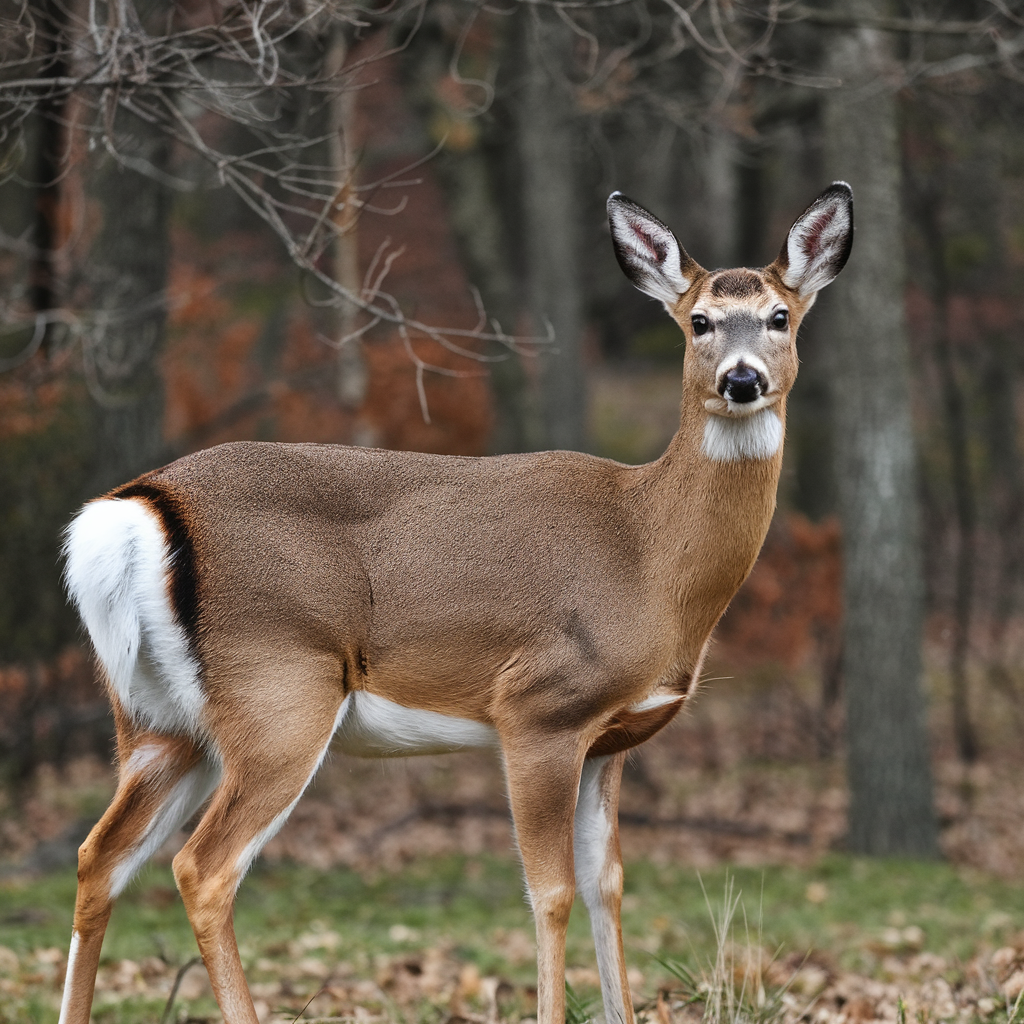
Quick answers to common deer questions
- When do deer drop antlers? Generally late winter, depending on species, age, and condition.
- Do deer migrate? Some do. Mule deer and caribou are famous long-distance travelers; white-tailed movements vary by habitat.
- Are deer dangerous? They avoid conflict, but give them space. Bucks in rut and does with fawns can be defensive if pressured.
- How do I keep deer out of my garden? Tall fencing, smart plant choices, and rotating repellents are your best tools.
- Do deer help or harm forests? In balance, they’re part of a healthy system. In high numbers, they can hinder tree regeneration.
Keep exploring: your wildlife learning path
The more you discover the world of deer, the more you’ll see connections to everything else—pollinators, birds, predators, wetlands, and the native plants under your feet. If you’re ready for the next trail, here are a few pages I love sharing:
- Our growing library of deer articles for deeper species profiles and behavior insights.
- Backyard wildlife facts to make your own yard a better habitat.
- Learn all about bees to support the pollinators that keep wild meadows buzzing.
- All About Birds to spot and identify feathered neighbors deer share habitat with.
- Explore regional wildlife through Animals of North America and follow the threads across ecosystems.
Thanks for walking the trail with me today. Next time you catch a flash of white in the underbrush, pause. Listen. In that quiet moment, you’ll discover the world of deer all over again.