
Let’s Step Into the Secret Life of Toads
If you’ve ever paused during a summer evening to listen to a long, musical trill coming from a puddle or garden pond, you’ve already brushed up against everything about toads that I adore. They’re humble, helpful, and surprisingly complex. In this field-style guide, I’ll walk you through how to spot them, what they eat, how they live, and how to make your backyard a safe, welcoming place for these bumpy little neighbors. Think of this as a practical companion for anyone who wants to learn everything about toads without the fluff—just real facts, real love for wildlife, and a dash of friendly humor.
As we go, I’ll also point you to a few trustworthy resources so you can keep learning. If you’re curious about other critters sharing your yard, you might love this broad backyard wildlife guide. And if you want a deeper dive into amphibians overall, our reptiles and amphibians hub is a great starting point.
What Makes a Toad a Toad?
Toads are amphibians, closely related to frogs, but with some quirky differences that make them stand out. If you’re trying to get comfortable with everything about toads at a glance, start here.
Quick ID checklist
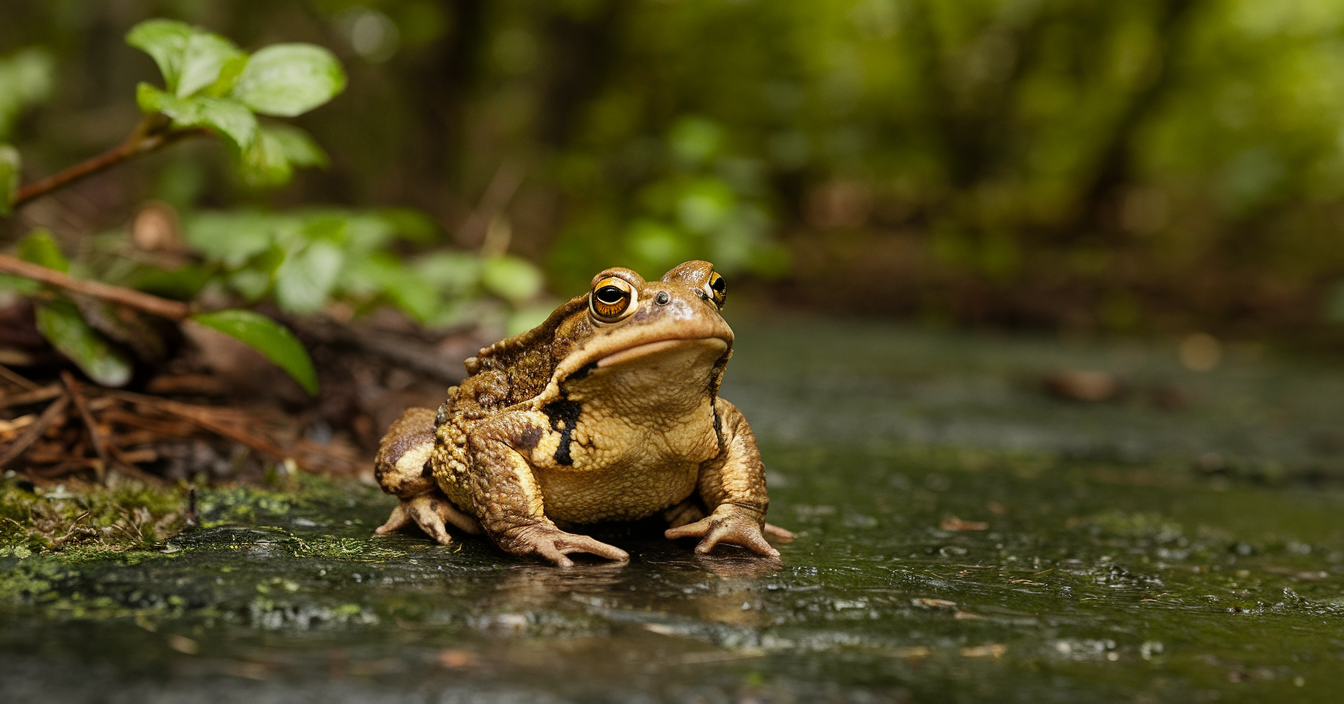
- Skin: Usually drier and bumpier than frogs, with visible “warts” (just skin glands—no, they don’t give you warts!).
- Parotoid glands: Those prominent kidney-shaped glands behind the eyes produce defensive toxins (more on safety later).
- Legs and movement: Shorter back legs mean they tend to hop rather than make long leaps.
- Habitat: More terrestrial than many frogs; you’ll often find them under logs, in garden beds, or burrowed in soil, especially by day.
- Eggs: Laid in long strings, not clusters (frogs often lay eggs in jelly-like masses).
- Eyes and swallowing: Toads help push food down by retracting their eyes—yes, they sort of “swallow” with their eyeballs. Nature is endlessly cool.
One more fun fact that brings us closer to everything about toads: most don’t “drink” water through their mouths. They absorb moisture through a specialized area of skin on the belly and thighs called the pelvic patch. That’s why damp soil and clean water sources matter so much.
Where Toads Live and Why Your Yard Might Be Perfect
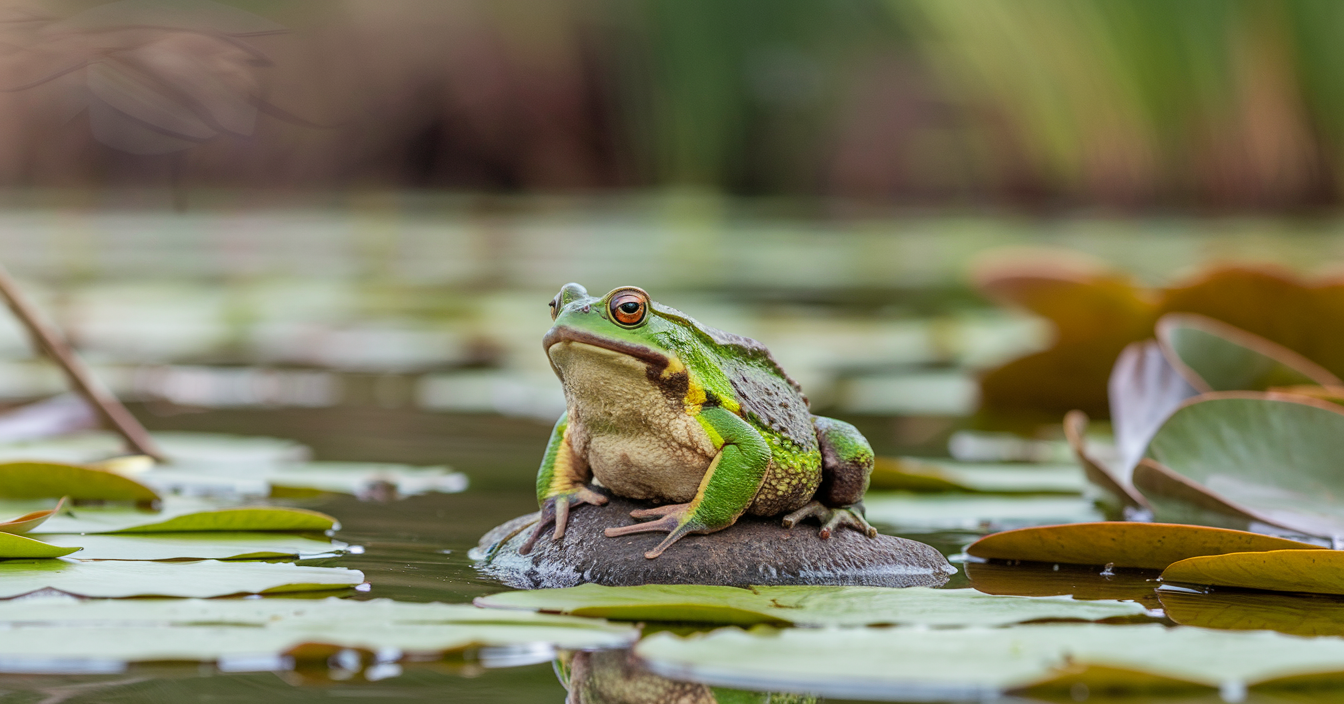
Toads are masters of the middle ground. While they depend on water to breed, they spend much of their lives on land. You’ll find them in woodlands, prairies, suburban gardens, city parks—anywhere with moisture, cover, and a buffet of invertebrates.
In many neighborhoods, the best toad habitat is simply an old-fashioned garden with leaf litter, a bit of unmowed edge, and a place to hide. If you’re curious about the bigger picture of who else is sharing your space, browse our friendly backyard wildlife overview.
Seasonal rhythms: rain, romance, and rest
- Early spring: As rains come and nights warm, males migrate to ponds, ditches, and temporary pools and start calling. That trilling chorus? That’s the soundtrack to the toad dating scene.
- Breeding: Females lay long strings of eggs. These often wrap around submerged stems or rest along the pond bottom.
- Summer: Adults hunt by night and hide by day, often under stones, boards, or mulch.
- Autumn into winter: In colder regions, toads brumate (a reptile/amphibian version of hibernation) by burrowing into soil below the frost line or tucking into deep leaf litter.
Everything About Toads and Their Menu
Toads are patient, sit-and-wait predators with lightning-fast tongues. They’re natural pest control, which is one reason gardeners adore them. If you want everything about toads and food, the short version is: if it crawls and fits in their mouth, it’s probably dinner.
What toads eat
- Insects like beetles, crickets, and earwigs
- Spiders and other arthropods
- Worms, small slugs, and snails (learn more with our accessible snail facts guide)
- Occasionally ants—get to know their tiny prey in our ant facts and myths primer
Toad tadpoles have different diets. Many graze on algae and decaying plant material; some also nibble detritus or microscopic organisms. That “two diets, one animal” strategy helps toads use different resources across their life stages—one of the clever realities behind everything about toads and survival.
Life Cycle: Eggs, Tadpoles, and Tiny Toadlets
Here’s the classic arc you’ll see through a season:
- Eggs: Long, gelatinous strings—thousands at a time—deposited in shallow water.
- Tadpoles: Dark, roundish, and often in schools. Unlike many frog tadpoles, toad tadpoles can sometimes tolerate slightly murkier or temporary waters.
- Metamorphosis: In weeks to a couple of months (species and temperature dependent), legs appear, tails shrink, and little toadlets the size of your fingernail crawl ashore.
To maximize success, toads often choose fish-free pools—fish love eating eggs and tadpoles. Temporary rain pools can be perfect nurseries if they last long enough for metamorphosis. That’s a key reason we see breeding activity explode after big spring rains.
Calls and Communication: The Nighttime Chorus
Male toads call to attract mates and defend small territories. The American toad’s call is a long, musical trill—often 20–30 seconds—and one of the most recognizable sounds of spring in many parts of North America. Different species have distinct calls, which is incredibly handy for ID after dark.
If you enjoy comparing sounds and behaviors, it’s fun to contrast toad calls with tree frogs. For a friendly comparison, see our green tree frog facts and sounds guide, and then keep your ears open on the next warm, rainy evening.
Toxins and Safety: Respect the Parotoid Potion
Those large parotoid glands behind a toad’s eyes produce defensive chemicals (bufotoxins) that discourage predators from trying a second bite. The result for most would-be diners is a mouthful of yuck and a lesson learned.
Good safety habits
- Don’t touch your eyes, nose, or mouth after handling a toad. Always wash your hands with plain water afterward.
- Teach kids to admire without squeezing; clean hands and a gentle, brief look are best.
- Keep dogs from mouthing toads, especially in regions with highly toxic species like cane toads (Rhinella marina) or Sonoran desert toads (Incilius alvarius). Dog owners can find more helpful animal care content in our dogs section.
- Never lick a toad. I can’t believe I need to say that, and yet here we are.
Note: Some species’ toxins are potent enough to cause severe symptoms in pets. If a pet interacts with a toad and shows drooling, pawing at the mouth, or disorientation, contact a veterinarian immediately.
Common Species You’re Likely to Meet
Depending on where you live, you might encounter these well-known toads:
- American toad (Anaxyrus americanus): Widespread in the eastern and central U.S. and Canada. Long musical trill; often brown with a few large warts per dark spot.
- Fowler’s toad (Anaxyrus fowleri): Eastern U.S.; call sounds like a bleat. Often with more irregular dark spots and multiple small warts per spot.
- Common toad (Bufo bufo): A European classic—robust, brownish, and strongly terrestrial, with a deep, rolling call.
- Natterjack toad (Epidalea calamita): Europe’s sandy habitats specialist with a yellow dorsal stripe; known for its fast, running gait.
- Cane toad (Rhinella marina): Introduced in parts of the U.S. (e.g., Florida) and famously invasive in Australia. Very large, strong toxins—keep pets away.
- Sonoran desert toad (Incilius alvarius): Southwestern U.S. and northern Mexico; highly toxic. In some places, collecting/harassing them is illegal—admire from a distance.
If you want to branch out to amphibian neighbors that often share the same ponds and yards, cruise through our frog guides as well.
Toads and Your Garden: How to Be a Helpful Neighbor
Bringing everything about toads into your yard boils down to clean water, safe shelter, and food (which they’ll handle themselves if you avoid pesticides). Here’s a simple plan you can start this weekend.
Build a toad-friendly corner
- Leaf litter and mulch: Leave a little mess. Natural ground cover keeps soil moist and hides daytime toads.
- Toad house: A simple flowerpot on its side, half-buried, makes a perfect hide. Keep the “doorway” north-facing to stay cool.
- Water dish: A shallow, wide dish with a small “ramp” rock works in dry spells. Refresh often; never use treated or salty water.
- Native plants: They support native insects, which in turn feed your resident toads.
- Lights out: Night lighting attracts insects, which can help toads feed—but it also disorients wildlife. Use warm, low lighting where possible.
- Pesticides and herbicides: Avoid them. Amphibian skin is ultra-absorbent; chemicals can be deadly.
- Pet considerations: Supervise curious dogs at dusk and after rain, when toads are active.
If you’d like to meet more of the creatures you’re likely to host alongside toads, check out our gentle primer on backyard wildlife and animal facts.
Myths, Misunderstandings, and Marvels
- Myth: “Toads cause warts.” Truth: Human warts are caused by human papillomaviruses, not toads. Those “warts” you see are just skin glands.
- Myth: “Toads are venomous.” Clarification: Toads are poisonous (harmful if ingested); they don’t inject venom.
- Myth: “They don’t need water.” Reality: While many toads spend lots of time on land, they rely on moisture to stay healthy and must reach water to breed.
- Marvel: Toads can live surprisingly long—more than a decade in the wild for some species; even longer in responsible, legal captive settings.
- Marvel: Toads help swallow by retracting their eyes. It’s an amphibian superpower I never get tired of explaining.
Predators and the Night Food Web
Toads are both hunters and the hunted. Snakes, raccoons, skunks, herons, and owls will all eat toads when they can. Toxins deter many predators, but not all—some are adapted to avoid or tolerate them.
For a deeper look at avian night hunters that might prowl your neighborhood, explore our guide to owls: secrets of silent night hunters. Understanding who eats whom is part of understanding everything about toads in the broader ecosystem.
Conservation: Small Creatures, Big Signal
Amphibians worldwide face challenges: habitat loss, road mortality, pollution, and disease like chytrid fungus (Batrachochytrium dendrobatidis). Because toads breathe and absorb water through their skin, they’re sensitive indicators of environmental health.
How you can help
- Keep your yard pesticide-free and water-smart.
- Preserve leaf litter and natural cover at the edges of lawns.
- Create safe crossings: during spring rains, be careful on roads near wetlands after dark.
- Protect breeding pools and avoid introducing fish to small garden ponds if you want tadpoles to thrive.
- Participate in citizen science programs that monitor amphibian calls and populations in your area.
If you’re building a personal reading list alongside everything about toads, our broader reptiles and amphibians collection can guide you to species profiles and practical backyard tips.
Kid-Friendly Curiosity: Watching Without Harming
I love the look on a kid’s face when a toad takes a gentle hop across their palms. Done right, brief encounters can light up a lifelong respect for wildlife.
- Wet your hands first to protect their skin; keep handling short and gentle.
- Don’t use lotions or bug sprays before touching amphibians; chemicals can transfer through their skin.
- Return the toad to the exact spot you found it.
- Observe more than you handle. A small flashlight with a red filter is great for nighttime watching without causing stress.
Frogs vs. Toads: The Handy Comparison You’ll Use Forever
While “frog” and “toad” are common-language categories (not strict scientific groupings), most people use them to describe real differences:
- Skin: Toads often have drier, bumpier skin; frogs are usually smoother.
- Lifestyle: Toads spend more time on land; frogs usually stay closer to water.
- Eggs: Toads lay strings; frogs often lay clusters.
- Movement: Toads hop; many frogs leap.
To tune your ear and eye for amphibians, compare toads with their leafy, arboreal cousins in our lively green tree frog guide.
Frequently Asked Questions I Hear All the Time
- Do toads really live in gardens? Yes. Gardens provide shelter, insects, and moist soil—an ideal combo. Mulch and native plants help.
- Can I keep a wild toad as a pet? Often it’s illegal or discouraged. Wild amphibians can carry pathogens, and removing them can hurt local populations. If you’re interested in amphibian care, research the legal, ethical route and species-specific needs first.
- How long do toads live? Many live a few years in the wild; some species can exceed 10 years. With expert care, certain toads have lived decades in captivity.
- Why am I seeing a toad in the daytime? It might be hiding under cover or soaking in a damp spot on a hot day. Healthy toads are mostly nocturnal hunters but can be active in daylight if conditions suit.
- What should I do if I find toad eggs? Observe from the edges and avoid disturbing them. If they’re in your garden pond, consider keeping it fish-free during the spring to help tadpoles survive.
- What eats toads? Snakes, wading birds, mammals, and owls, among others. Learn more about one of their night-time predators in our guide to owls.
- Are toads helpful in pest control? Absolutely. They happily eat slugs, beetles, and other invertebrates. Skim our ant facts to appreciate part of their diet from the insect side.
Field Notes: A Few Species Moments I’ll Never Forget
On a warm April night, I once sat by a temporary woodland pool lit only by stars and one pocket flashlight wrapped in red film. The trill of American toads rolled like a chorus of singing wine glasses. Every now and then, a female would glide past with quiet purpose, choosing a mate in that shimmering soundscape. Moments later, a garter snake appeared along the margins, skirting the edge of danger—and dinner—and I was reminded that everything about toads is intertwined with everything else in the ecosystem. For a short primer on one of their reptilian neighbors, jump over to our broader reptiles and amphibians pages.
Responsible Coexistence: A Quick Code of Respect
- Look, don’t grab; if you handle, keep it brief with clean, wet hands.
- Mind the law; some species are protected or have restrictions on handling.
- Never relocate toads far from where you found them. Their survival often depends on local knowledge of hiding spots and breeding sites.
- Keep cats indoors at night if possible; domestic cats are significant predators of small wildlife.
- Garden with nature in mind—especially pesticide-free practices and shallow water sources with escape ramps.
Keep Exploring
If this guide whetted your appetite for everything about toads and their neighbors, here are a few more places to wander next:
- Browse all our toad articles for identification and natural history tidbits.
- Compare calls, colors, and habits with our frog guides.
- Get an easy overview of the wider herp world through our reptiles and amphibians hub.
- Learn about who else shares your garden in our backyard wildlife guide.
The more I learn, the more I realize that everything about toads is really everything about balance—clean water, dark nights, wild edges, and patience. If you give them a little space and kindness, they’ll repay you with a summer’s worth of trills and a garden buzzing with life. And if you meet one tonight? Offer a quiet hello, then let those careful, comical hops carry your new friend back into the leaves.


