Critters of Antarctica: The Wild Survivors of the Coldest Continent
When we think of Antarctica, we usually picture an endless world of white—snow, ice, and bone-chilling wind. But believe it or not, this frozen frontier is home to an incredible variety of wildlife. From waddling penguins to giant sea creatures, Antarctica’s animals have found fascinating ways to survive and thrive in one of the harshest environments on Earth.
Let’s take a closer look at the animals of Antarctica, how they live, what they eat, and the amazing adaptations that help them rule the frozen south.
Penguins: The Undisputed Stars of Antarctica
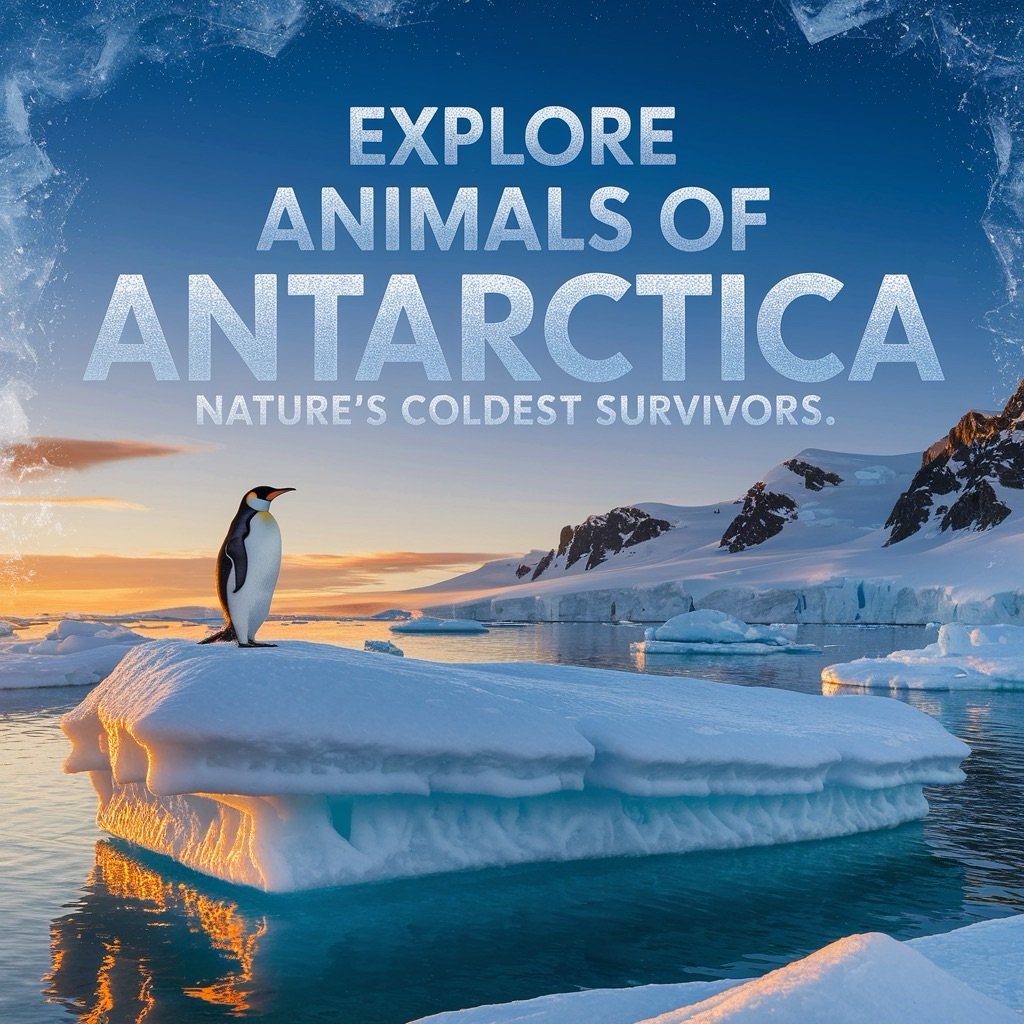
If there’s one critter that screams “Antarctica,” it’s the penguin. Most famously, the Emperor Penguin is the largest species and the only one that breeds during the harsh Antarctic winter. You’ll also find Adélie Penguins, which are smaller and a bit more energetic.
Penguins are flightless birds, but they are Olympic-level swimmers, using their wings like flippers to dart through icy waters. They dine on fish, krill, and squid, often diving over 500 feet deep to get their next meal.
Want to learn more about birdlife? Check out our full guide on 🐦 all types of birds and their wild habits.
Seals: The Chunky Ice Loungers
Several types of seals make their home on the Antarctic ice and in its waters. The most famous of these are Weddell Seals, Leopard Seals, and Crabeater Seals. Despite the name, crabeater seals don’t eat crabs—they feast mainly on krill, just like many other Antarctic animals.
Seals use blubber to stay warm and can hold their breath for over an hour when diving for food. Leopard Seals, with their snake-like heads and strong jaws, are top predators who even hunt penguins.
Whales: Gentle Giants of the Southern Ocean
Every Antarctic summer, several species of whales arrive to feast on massive swarms of krill. These include Blue Whales, Humpbacks, Minke Whales, and Orcas (also known as killer whales).
Orcas are apex predators and are incredibly intelligent, sometimes working as a team to knock seals off icebergs! Their social structure and complex hunting techniques make them one of the most fascinating animals in Antarctica.
Fish and Sea Life Beneath the Ice
Though it’s hidden from view, the icy ocean surrounding Antarctica is teeming with life. There are over 200 species of fish that have developed antifreeze proteins in their blood to survive the freezing water.
Looking to dive deeper into life underwater? Explore our 🐟 fish and sea life section to see what else lurks in the deep.
Birds Beyond Penguins
While penguins get most of the spotlight, they’re not the only birds soaring (or waddling) around Antarctica. The Snow Petrel is one of the few birds that breeds exclusively on the continent. You’ll also find massive Albatrosses gliding over the Southern Ocean with wingspans that can reach over 11 feet!
Curious about birds beyond Antarctica? You might enjoy 🐦 our cardinal facts and tips.
Krill: The Unsung Hero
If there were an MVP award for the Antarctic food chain, krill would win it. These tiny shrimp-like creatures feed on phytoplankton and, in turn, feed just about everyone else—from penguins and seals to whales and fish.
Despite their size, krill are essential to the ecosystem and are often found in massive swarms visible from space!
Invertebrates That Thrive in the Cold
It’s not just about the big guys—Antarctica is home to several hardy invertebrates too. These include mites, springtails, and even a wingless midge that is the largest true land animal on the continent.
Want to learn more about Earth’s tiniest tough critters? Swing over to 🐜 our insects and invertebrates page.
Deep Sea Oddities
Below the ice, scientists are discovering strange and wonderful creatures that defy imagination—like ghost octopuses, sea pigs, and giant isopods. Some of these critters haven’t changed much since prehistoric times and only exist in the dark, pressurized world of the deep ocean.
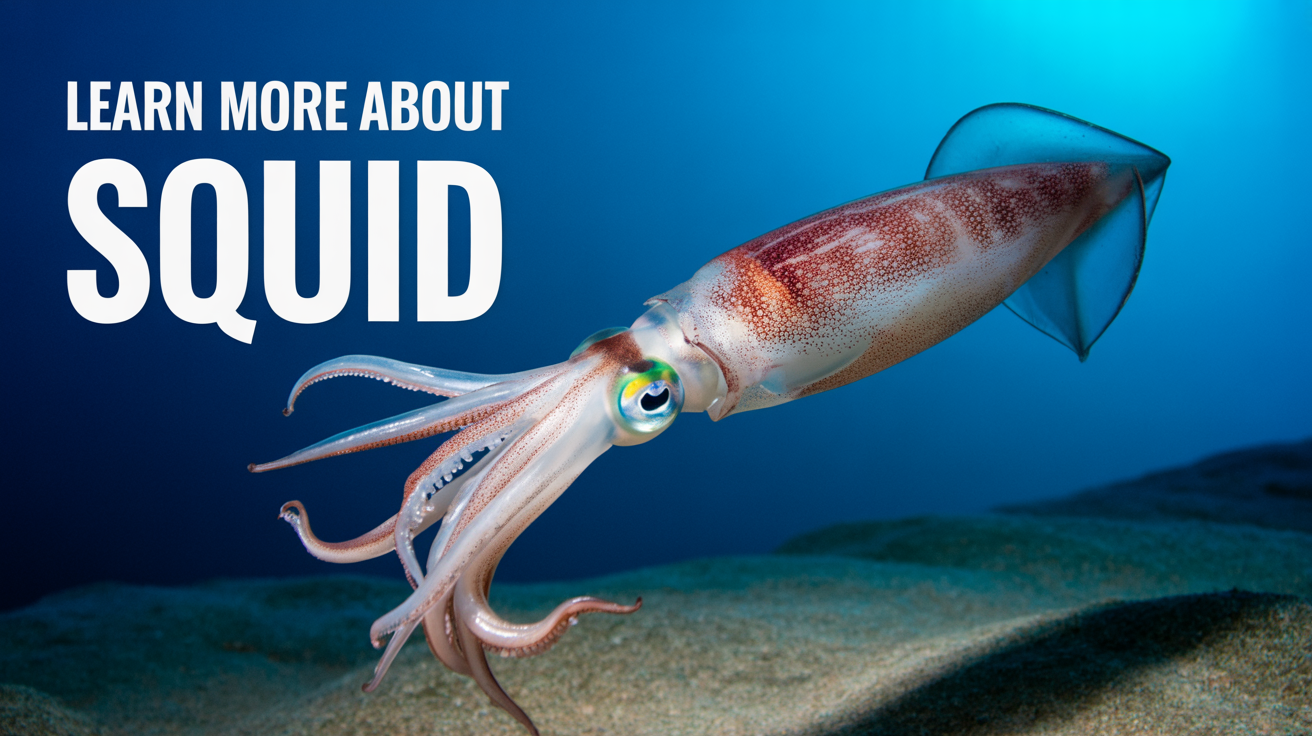
Check out more fascinating ocean dwellers like 🐙 octopuses and 🦑 squid that have adapted to the ocean’s weirdest corners.
Can Reptiles or Amphibians Survive Here?
Nope! Antarctica is the only continent on Earth without any native reptiles or amphibians. The temperatures are simply too cold for cold-blooded animals to survive here. You’ll find them on every other continent though—if that’s more your thing, we’ve got you covered at 🐍 our reptiles and amphibians hub.
Are There Any Mammals on Land?
Surprisingly, no mammals live full-time on Antarctic land. All mammals in Antarctica—like whales and seals—are marine-based. The cold and lack of vegetation make life on land nearly impossible for warm-blooded mammals.
However, if you’re interested in fascinating mammals from other parts of the world, you can head over to 🦝 our mammals section.
Critters of Antarctica: The Wild Survivors of the Coldest Continent
When we think of Antarctica, we usually picture an endless world of white—snow, ice, and bone-chilling wind. But believe it or not, this frozen frontier is home to an incredible variety of wildlife. From waddling penguins to giant sea creatures, Antarctica’s animals have found fascinating ways to survive and thrive in one of the harshest environments on Earth.
Let’s take a closer look at the animals of Antarctica, how they live, what they eat, and the amazing adaptations that help them rule the frozen south.
Penguins: The Undisputed Stars of Antarctica
If there’s one critter that screams “Antarctica,” it’s the penguin. Most famously, the Emperor Penguin is the largest species and the only one that breeds during the harsh Antarctic winter. You’ll also find Adélie Penguins, which are smaller and a bit more energetic.
Penguins are flightless birds, but they are Olympic-level swimmers, using their wings like flippers to dart through icy waters. They dine on fish, krill, and squid, often diving over 500 feet deep to get their next meal.
Want to learn more about birdlife? Check out our full guide on 🐦 all types of birds and their wild habits.
Seals: The Chunky Ice Loungers
Several types of seals make their home on the Antarctic ice and in its waters. The most famous of these are Weddell Seals, Leopard Seals, and Crabeater Seals. Despite the name, crabeater seals don’t eat crabs—they feast mainly on krill, just like many other Antarctic animals.
Seals use blubber to stay warm and can hold their breath for over an hour when diving for food. Leopard Seals, with their snake-like heads and strong jaws, are top predators who even hunt penguins.
Whales: Gentle Giants of the Southern Ocean
Every Antarctic summer, several species of whales arrive to feast on massive swarms of krill. These include Blue Whales, Humpbacks, Minke Whales, and Orcas (also known as killer whales).
Orcas are apex predators and are incredibly intelligent, sometimes working as a team to knock seals off icebergs! Their social structure and complex hunting techniques make them one of the most fascinating animals in Antarctica.
Fish and Sea Life Beneath the Ice
Though it’s hidden from view, the icy ocean surrounding Antarctica is teeming with life. There are over 200 species of fish that have developed antifreeze proteins in their blood to survive the freezing water.
Looking to dive deeper into life underwater? Explore our 🐟 fish and sea life section to see what else lurks in the deep.
Birds Beyond Penguins
While penguins get most of the spotlight, they’re not the only birds soaring (or waddling) around Antarctica. The Snow Petrel is one of the few birds that breeds exclusively on the continent. You’ll also find massive Albatrosses gliding over the Southern Ocean with wingspans that can reach over 11 feet!
Curious about birds beyond Antarctica? You might enjoy 🐦 our cardinal facts and tips.
Krill: The Unsung Hero
If there were an MVP award for the Antarctic food chain, krill would win it. These tiny shrimp-like creatures feed on phytoplankton and, in turn, feed just about everyone else—from penguins and seals to whales and fish.
Despite their size, krill are essential to the ecosystem and are often found in massive swarms visible from space!
Invertebrates That Thrive in the Cold
It’s not just about the big guys—Antarctica is home to several hardy invertebrates too. These include mites, springtails, and even a wingless midge that is the largest true land animal on the continent.
Want to learn more about Earth’s tiniest tough critters? Swing over to 🐜 our insects and invertebrates page.
Deep Sea Oddities
Below the ice, scientists are discovering strange and wonderful creatures that defy imagination—like ghost octopuses, sea pigs, and giant isopods. Some of these critters haven’t changed much since prehistoric times and only exist in the dark, pressurized world of the deep ocean.
Check out more fascinating ocean dwellers like 🐙 octopuses and 🦑 squid that have adapted to the ocean’s weirdest corners.
Can Reptiles or Amphibians Survive Here?
Nope! Antarctica is the only continent on Earth without any native reptiles or amphibians. The temperatures are simply too cold for cold-blooded animals to survive here. You’ll find them on every other continent though—if that’s more your thing, we’ve got you covered at 🐍 our reptiles and amphibians hub.
Are There Any Mammals on Land?
Surprisingly, no mammals live full-time on Antarctic land. All mammals in Antarctica—like whales and seals—are marine-based. The cold and lack of vegetation make life on land nearly impossible for warm-blooded mammals.
However, if you’re interested in fascinating mammals from other parts of the world, you can head over to 🦝 our mammals section.