Green Tree Frog: The Friendly Face of North American Wetlands
If you’ve ever stepped outside on a warm, rainy evening and heard a sharp “quonk-quonk” sound echoing through the air, chances are, you’ve met the green tree frog—even if you didn’t see it.
These tiny amphibians are one of North America’s most beloved backyard critters, and it’s not hard to see why. With their bright green skin, sticky toes, and cheerful personalities, they’ve become a favorite for nature lovers, homeowners, and even pet owners alike. You’ll find them perched on windows, clinging to trees, or tucked away in damp leaf piles near ponds and gardens.
The green tree frog is a freshwater-loving amphibian, commonly found in marshes, swamps, and woodlands across the North American continent. It’s even the state amphibian of both Georgia and Louisiana—pretty good for a frog that fits in the palm of your hand.
If you’re a fan of frogs in general, be sure to explore our growing collection of fascinating hoppers in the frog category, including species that live far beyond the backyard, like the American toad and others that thrive in forests and wetlands alike.
Where the Green Tree Frog Calls Home
The green tree frog (Hyla cinerea) is all about staying close to water—freshwater, that is. You won’t find them lounging around saltwater beaches or deserts. Instead, they live near ponds, swamps, marshes, lakes, and even garden water features where they can stay moist and well-fed.
These frogs are spread across much of the southeastern United States, but their habitat range puts them firmly in the North American critter club. They especially love hot, humid regions, which means they’re most active during spring and summer when warm rains bring bugs and puddles to life.
If you live near water, you might even hear their calls bouncing through the night. They’re champions at hiding in plain sight—blending in with grass, vines, and even green patio furniture.
Curious about other animals that rely on ponds and streams? Check out our growing section on freshwater fish and see who else might be sharing the wetlands with this tiny green jumper.
What Green Tree Frogs Look Like
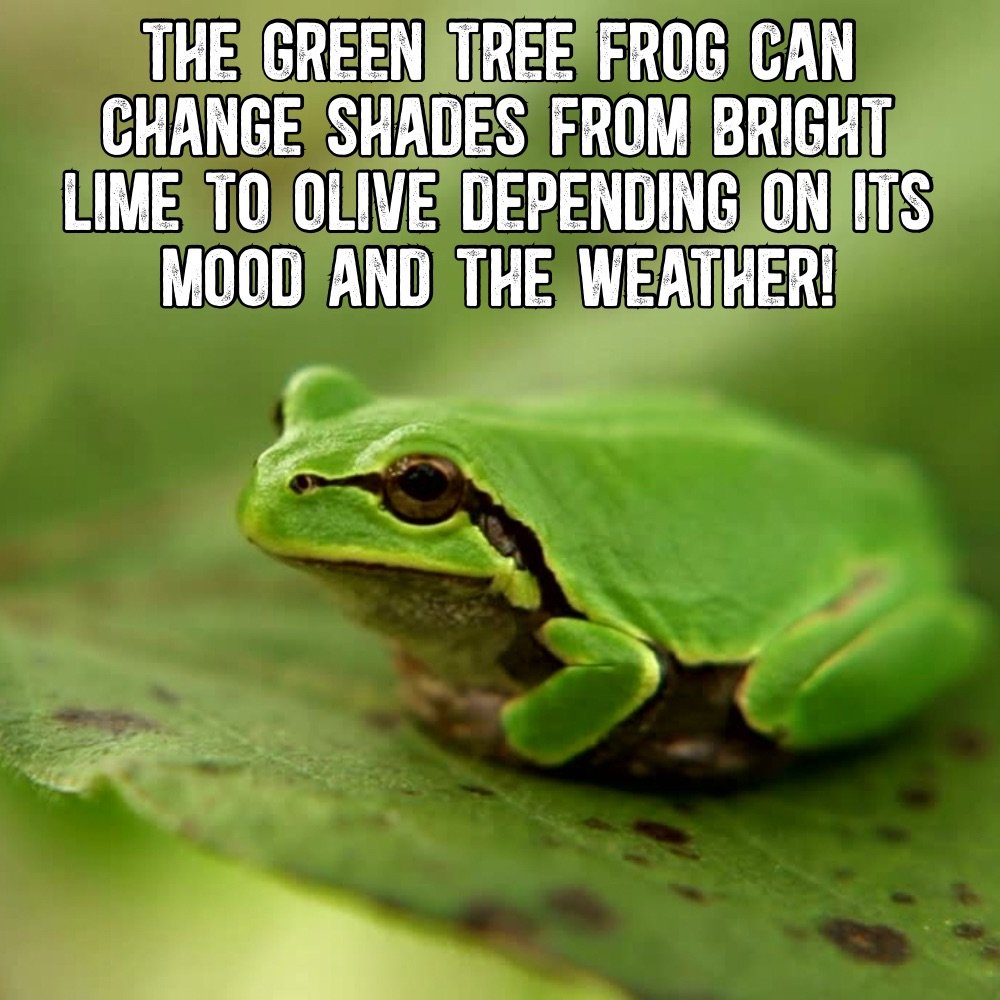
The green tree frog isn’t just cute—it’s downright iconic. With smooth, lime-green skin that can shift slightly in color depending on humidity and mood, these frogs are made to blend in with leaves and stems. Their bellies are pale white or yellowish, and a light stripe often runs from the jaw down each side—kind of like a racing stripe for a frog.
They’ve got long, lean legs for jumping and super sticky toe pads that help them grip leaves, branches, windows, and even vinyl siding. Most adults grow to about 1.5 to 2.5 inches long, though some larger ones can reach 3 inches.
It’s easy to confuse them with other small green frogs, but the green tree frog’s bright coloring and smooth, almost shiny appearance help set them apart. If you’re interested in seeing how they stack up against other hoppers, check out the frogs and their cousins over in the reptiles and amphibians section where we cover their scaly and slimy neighbors.
The Signature Tree Frog Sound
Even if you’ve never spotted a green tree frog, you’ve probably heard one. Their classic “quonk-quonk” call is a sound of summer in much of the American South. Males do most of the croaking, especially during mating season or right before a rainstorm—because frogs know when water’s coming before the skies even open.
Each male has his own little territory and will call from a leaf, branch, or windowsill to attract females. These calls aren’t just for love—they also tell other males to back off. It’s kind of like frog karaoke mixed with a bit of trash talk.
If you love noisy critters that come alive at night, the green tree frog has plenty of relatives who sing their own songs. Take a leap over to the toad category for more croakers that bring backyard nights to life.
What Green Tree Frogs Eat
These tiny frogs may be small, but they’ve got a big appetite for bugs. The green tree frog is an insectivore, meaning it feeds on insects like crickets, moths, flies, beetles, and especially mosquitoes—making them a natural pest control superhero.
They use their long, sticky tongues to snatch prey with lightning speed, usually at night when bugs are most active. Their diet helps keep local insect populations in check, which is great news for your garden, your porch, and your peace of mind.
Want to get a closer look at the bug buffet they feast on? Browse our insects and invertebrates section, or jump over to our ant page to meet one of their more common backyard snacks.
Are Green Tree Frogs Poisonous?
This is one of the most common questions people ask—and the answer is no, not to humans. The green tree frog does produce a mild secretion from its skin when stressed, but it’s not dangerous unless you’re a small insect or a predator with no taste.
That said, like all amphibians, it’s best to wash your hands if you handle one—both for your safety and theirs. Their skin is delicate and absorbs anything you touch them with, including soap, bug spray, or sunscreen.
Some frogs in other parts of the world are highly toxic (like dart frogs), but the green tree frog is safe, friendly, and one of the most handleable amphibians in North America.
You can meet more of their wild cousins over in the frog category, where we dive into all kinds of hopping, croaking, and bug-loving amphibians.
Green Tree Frog Life Cycle
Like all frogs, the green tree frog starts life in water. It all begins when the female lays hundreds of tiny jelly-like eggson the surface of a pond or slow-moving stream. These eggs hatch into tadpoles, which are little swimming larvae with gills and tails.
Over the course of a few weeks, those tadpoles slowly begin to grow legs, lungs, and lose their tails—transforming into full-fledged frogs through a process called metamorphosis. Once they make the leap onto land, they’re miniature versions of their adult selves, ready to snack on bugs and start croaking their way through life.
It’s one of the most fascinating life transitions in the animal kingdom, and a great example of why amphibians like these are so fun to learn about. If metamorphosis fascinates you, be sure to explore more amphibians and cold-blooded neighbors in the reptiles and amphibians section.
How Green Tree Frogs Survive the Seasons
You might think these tiny frogs wouldn’t survive cold weather, but the green tree frog has some clever tricks up its sleeve. During the hot summers, they’ll seek out shade, moist hiding spots, or the underside of leaves to keep from drying out. At night, they come alive—hunting, calling, and hopping through the warm darkness.
In winter, especially in the northern parts of their range, they slow way down. They may burrow into soft leaf litter or hide under bark and logs to stay safe from the cold. While they don’t hibernate in the traditional sense, they do become inactive, entering a kind of frog nap until the weather warms up again.
If you’re curious about the other cold-blooded creatures that share ponds, streams, and forest edges with these frogs, you’ll love browsing our fresh water creatures category—packed with critters that thrive in the same habitats.
Backyard Encounters With Tree Frogs
One of the coolest things about the green tree frog is how often it shows up right in people’s backyards—especially if you live in a warm, humid part of North America. You might spot one clinging to your window, porch light, garden hose, or even a potted plant after a rainstorm.
They’re drawn to areas with water, plants, and—most importantly—bugs. If you’ve got outdoor lighting, it acts like a bug magnet, which in turn attracts hungry frogs looking for an easy meal. It’s not unusual to see one just hanging out on a window screen with a belly full of moths.
If you’re the kind of person who loves spotting wild critters around the house, you might also enjoy our articles on rabbits, squirrels, and other birds that commonly show up in the same spaces as frogs.
Are Green Tree Frogs Good Pets?
Short answer: yes, they really are. The green tree frog is one of the most popular amphibians in the pet world, especially for beginners. They’re easy to care for, relatively hardy, and don’t require much space. A vertical terrarium with some climbing branches, a water dish, and proper humidity is usually all they need to be happy.
They’re not super interactive like a dog or cat, but they’re fun to watch—especially when they’re hunting. And their nighttime croaks? Kind of charming, unless you keep them in your bedroom.
Just make sure you’re getting them from responsible breeders or suppliers—never scoop them from the wild. Captive-bred frogs are healthier, more used to human care, and don’t harm local populations when left in their natural habitats.
If you’re looking for a full care guide in the future or answers about amphibians as pets, you can always check our FAQ section or keep an eye out for upcoming pet-focused content.
Green Tree Frog vs Other Tree Frogs
While the American green tree frog is a favorite across North America, it’s not the only “green tree frog” out there. In fact, there are several similar species found around the world, like the Australian green tree frog (Litoria caerulea) and other tropical frogs found in parts of Asia and Oceania.
So what sets the American version apart?
For starters, it’s smaller and more slender than its Australian cousin. It’s also known for its loud, raspy call, while the Australian species sounds more like a soft “growl.” The American green tree frog is also more likely to be spotted near your porch light or garden pond, while others live deeper in forests or high up in trees.
Want to learn more about frogs from around the world? Take a detour through Critters of Asia or hop over to Critters of Australia & Oceania to meet their rainforest-dwelling relatives.
Why Green Tree Frogs Matter
They may be small, but green tree frogs play a big role in the health of their environment. As both predators and prey, they help control insect populations while also serving as food for birds, snakes, and other animals.
But beyond that, they’re bioindicators—meaning they reflect the health of the ecosystem around them. Because their skin absorbs chemicals and pollutants so easily, a drop in frog populations is often the first warning sign that something’s wrong with the water, air, or land.
And let’s be honest—there’s just something heartwarming about seeing one hanging out on your back porch or hearing them croak after a summer rain. They’re more than just frogs—they’re neighbors.
If you’re curious about other animals that share their ecosystems, explore more in the frog section or the broader fresh water creatures category where the green tree frog fits right in.