
Why Lizards Captivate Me: A Field Naturalist’s Perspective
I’ve spent countless sunrises kneeling beside warm rocks, waiting for a quick flash of movement to resolve into a tiny, bright-eyed reptile. If you’re here for a clear, friendly, and thoroughly practical guide to lizards, you’re in good company. I’ve chased skinks across sandy washes, watched anoles flare scarlet dewlaps, and waited (patiently!) for wary fence lizards to return to their favorite basking spots. Along the way, I’ve learned that understanding lizards isn’t just about identification—it’s about appreciating how they fit into our backyards, our ecosystems, and our lives.
This field-tested guide to lizards focuses on what matters: how to recognize them, where to find them, how to keep them safe (and keep yourself safe), and when keeping a lizard as a pet makes sense—and when it doesn’t. I’ll point you to deeper resources along the way, including several in-depth pieces on our site for readers who love to dig further into the world of reptiles, amphibians, and backyard nature.
What Makes a Lizard a Lizard
Lizards are reptiles in the order Squamata (the same order as snakes). What makes them distinct is a suite of traits that, taken together, give them their unmistakable look and behavior.
Key hallmarks:
– Scales made of keratin that reduce water loss.
– Usually four limbs with claws (though a few groups are legless).
– External ear openings in most species (snakes lack them).
– Eyelids in many species (geckos often have a clear scale instead and lick their eyes clean).
– Ectothermy: they rely on external heat sources to regulate body temperature.
– Tail autotomy: many can drop a tail to distract predators and regrow a replacement (cartilage-based, not identical to the original).
A few fine points for the detail-oriented:
– Teeth attachment varies: many iguanians have pleurodont teeth (fused to the inner side of the jaw), while agamids and chameleons typically have acrodont teeth (attached to the jaw’s crest).
– Some lizards have a “third eye” (parietal eye) on top of the head—really a light-sensitive organ that helps with day–night cycles and predator detection.
If you want to branch out beyond lizards while staying reptile-savvy, our broader category on reptiles and amphibians provides a solid foundation.
How Lizards Live: Behavior, Senses, and Communication
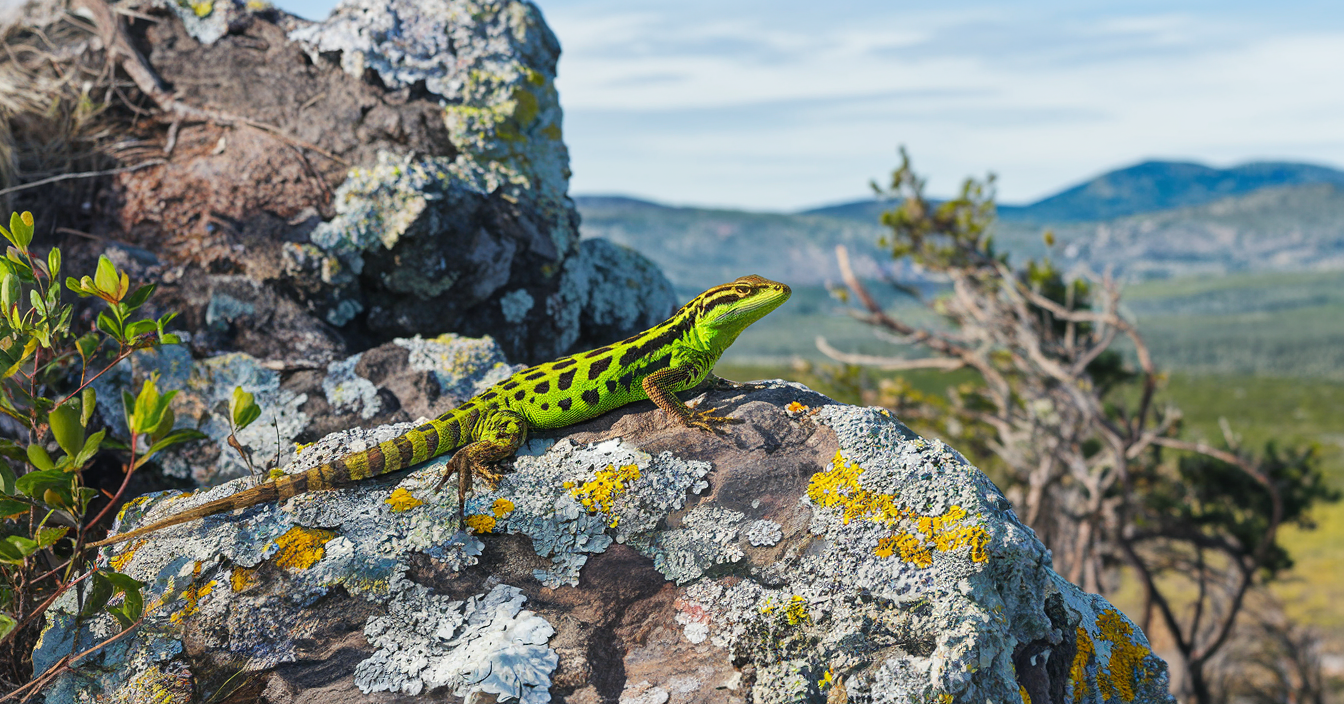
Lizards are expert thermoregulators. You’ll see them bask in the morning, retreat at midday heat, and reappear when temperatures soften—like living solar panels with legs. Many shift color slightly for thermoregulation and communication; anoles and chameleons are the most famous color artists, but plenty of other lizards change shade from cool gray to warm brown depending on temperature and mood.
Common behaviors you’ll notice:
– Basking and shuttle behavior: lizards move between sun and shade to maintain an ideal internal temperature.
– Visual signaling: dewlaps (extendable throat fans) in anoles; head-bobs and push-ups in fence lizards (Sceloporus) and other species.
– Scent trails: some lizards rely heavily on chemical cues, using tongue flicks to read the world.
– Tail autotomy: a last-ditch escape strategy; it costs a lot of energy and the regrown tail is never quite the same.
Reproduction is diverse. Most lizards lay eggs (oviparous), but some, including several skinks, give birth to live young (viviparous), especially in cooler climates where internal development offers a thermal advantage.
Habitats and Where You’ll Meet Them
One reason I love writing any guide to lizards is that you can spot them almost anywhere that’s warm and has shelter. They thrive in deserts, scrublands, forests, grasslands, rocky coastlines, and cities. They are absent only from Antarctica. In many neighborhoods, they’re regulars on fences, garden stones, patio planters, and sunny walls.
Microhabitats to check:
– Sun-splashed stone walls or wood piles
– The edges of brushy patches and hedgerows
– Fallen logs and the warm soil beneath them
– The base of tree trunks in the morning
If you love watching your yard wake up, you’ll enjoy our practical roundup of backyard wildlife and animal facts. And if amphibians also catch your eye, don’t miss these green tree frog facts—an excellent primer on another group that often shares space with lizards.
Diet and Hunting Styles
Insects are the bread-and-butter for many small to mid-sized lizards. They’ll eat crickets, roaches, beetles, spiders, and any arthropod they can track and swallow. Some lizards are omnivores, taking fruits, flowers, or even small vertebrates. A few species (like iguanas) are primarily herbivores.
Notable strategies:
– Sit-and-wait predators (fence lizards): pick a vantage point, dash for prey.
– Active foragers (whiptails): continuously moving, nosing through leaf litter.
– Tongue projectors (chameleons): remarkable ballistic tongues snatch prey with speed and precision.
– Heavy hitters (monitors): strong jaws and powerful limbs enable them to subdue larger prey.
Lizards earn their keep in gardens by controlling pest insects. Calmly sharing your space with them means fewer mosquitoes, fewer garden pests, and more life to observe every morning.
Safety First—for You and the Lizards
Most lizards are harmless to people and prefer fleeing to fighting. That said, it’s good to know the exceptions and the basics of safe, respectful encounters.
What to know:
– Venomous lizards: In North America, the Gila monster (Heloderma suspectum) and Mexican beaded lizard (H. horridum) are venomous and should never be handled. Bites are serious and require immediate medical attention.
– Large monitors can deliver severe bites and scratches; they’re powerful and deserve distance and respect.
– Komodo dragons possess venom glands and deliver dangerous bites, but you won’t meet one outside a zoo.
Hygiene matters:
– Many reptiles can carry Salmonella. Don’t touch your face after handling a lizard or its habitat, and wash hands thoroughly with soap and water.
Field caution:
– When you’re herping (searching for reptiles), know your local snakes. If you’re in the central U.S., our Missouri venomous snakes guide is a great example of what to look for and avoid.
Legal and ethical considerations:
– Never collect lizards from the wild without permits and a clear purpose. Many species are protected or regulated.
– Respect private property and sensitive habitats; leave no trace.
Responsible Herping: My Field Tips
Finding lizards is half patience, half pattern recognition. Here’s what’s served me well:
– Timing: Early morning and late afternoon offer peak activity. Overcast days can extend activity windows.
– Sun geometry: Watch where sunlight first hits a wall or a rock pile—that’s where the day’s first baskers appear.
– Flipping technique: If you check under rocks or logs, lift gently, observe briefly, and put the cover object back exactly as it was to preserve moisture and microhabitat.
– Photography etiquette: Move slowly, stay low, and let the lizard decide the distance.
– Safety: Wear sturdy shoes, use a small flashlight at dusk, and learn your local wildlife.
When you’re ready for more species-specific reading, browse our curated lizard articles and the broader reptiles and amphibians section.
Keeping Lizards as Pets: Only If You’re Ready
I love lizards—but I love them enough to say that not everyone should keep one. Many species have precise needs, and you’ll want to prepare thoughtfully before adopting. If you do it right, a pet lizard can be a long-lasting, fascinating companion.
Core requirements to plan for:
– Heat gradient: A basking spot and a cooler retreat let lizards self-regulate temperature. Use thermostats and reliable thermometers to avoid burns or chills.
– UVB lighting: Essential for most diurnal lizards to metabolize calcium and avoid metabolic bone disease. Replace bulbs on manufacturer schedules—even if they still “look” bright.
– Humidity control: Desert species need dry, well-ventilated enclosures; tropical species need higher humidity with good airflow to prevent respiratory illness.
– Diet: Gut-loaded insects for insectivores; varied greens for herbivores; calcium and vitamin supplementation as recommended for the species.
– Space and enrichment: Hides, climbing structures, visual barriers, and room to explore reduce stress and stereotypic behavior.
– Veterinary care: Find an experienced reptile vet before you bring an animal home.
– Sourcing: Choose captive-bred animals from reputable breeders. Never release a pet lizard—ever—into the wild.
For comparison within reptiles, our primer on chelonians is a helpful cross-reference: explore learn all about turtles to see how husbandry principles overlap and differ.
Common Myths I Hear All the Time
Because this is a no-nonsense guide to lizards, let’s clear the fog around a few stubborn myths.
– “Lizards are slimy.” No—they’re dry and scaly. If a lizard feels slick, it’s likely due to environmental moisture, not slime.
– “All lizards can re-grow their tails perfectly.” They can regrow a functional tail, but it’s cartilage-based, usually shorter, and not an exact match for the original.
– “Lizards drink milk from saucers.” They don’t. Most aren’t lactose tolerant. Offer water, not dairy.
– “Color change is only for camouflage.” Communication and thermoregulation are major drivers; camouflage is part of the story but not the whole.
– “Baby lizards are cared for by their parents.” In most species, hatchlings are independent from day one.
Conservation and Coexistence in Your Yard
You can turn your backyard into a lizard haven with a few simple steps. It’s a kindness to the creatures—and a boost to your daily wildlife viewing.
Lizard-friendly ideas:
– Reduce pesticides. Let lizards help manage pests.
– Provide structure. Flat rocks, stacked stone borders, and brushy edges create shelter and basking platforms.
– Add water thoughtfully. A shallow dish with a rock for exits can help in dry spells.
– Keep cats indoors, especially at dawn and dusk, when lizards are most active.
– Mind the windows. If strikes occur, use decals or screens to cut reflections.
If you’re crafting a yard that welcomes a wide range of critters, our backyard wildlife guide is a great companion. To expand your nature-friendly setup beyond reptiles, explore amphibian neighbors too via green tree frog behavior and tips.
Mini Field Guide: Lizards You’re Likely to Encounter
This quick, skimmable guide to lizards you’ll commonly see can jump-start your ID skills.
– Anoles (Anolis spp.): Slender, arboreal insect-eaters. Males display colorful dewlaps. Color shifts from brown to green in some species.
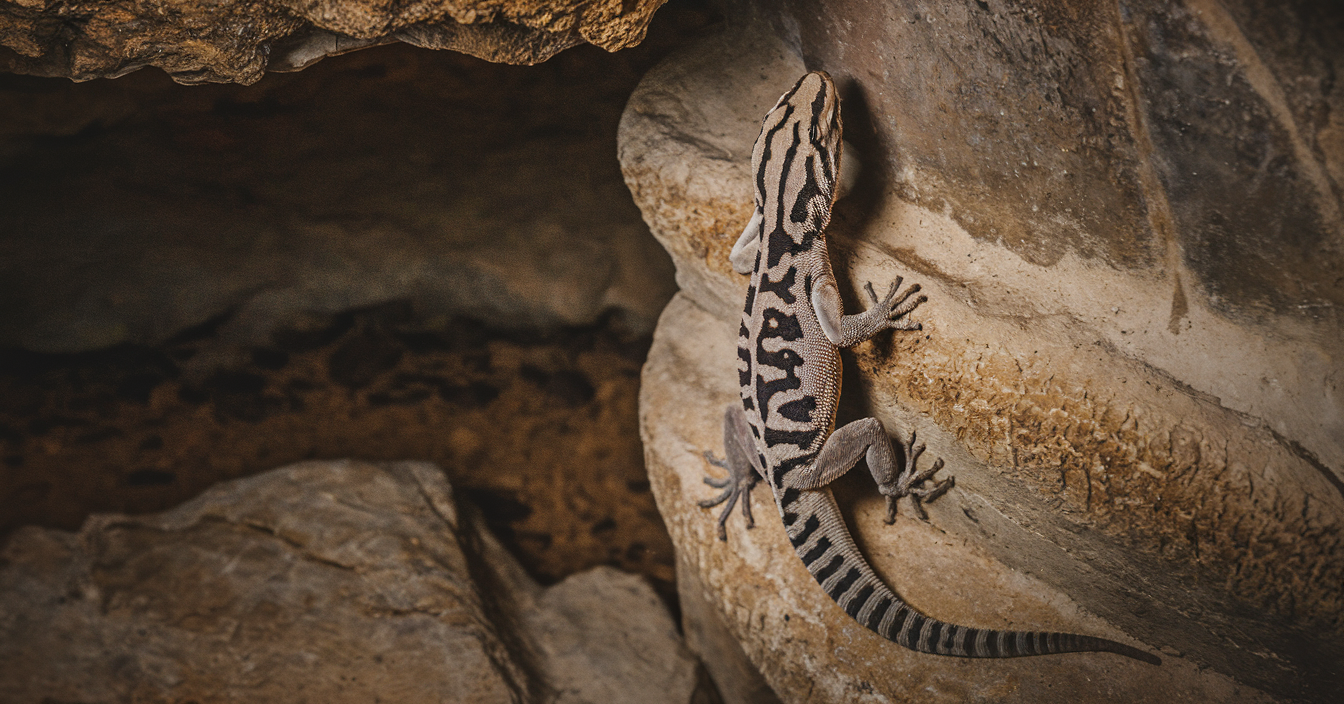
– Geckos (various genera): Often nocturnal, with sticky toe pads for climbing smooth surfaces. Many lack eyelids and “lick” their eyes clean.
– Fence lizards (Sceloporus spp.): Spiky, medium-sized baskers that do push-up displays. Western and eastern species frequent fences, rocks, and logs.
– Skinks (Plestiodon, Scincidae family): Smooth, glossy scales and streamlined bodies. Juveniles of some species sport bright blue tails.
– Whiptails (Aspidoscelis): Hyperactive, slender foragers that dart across open ground. Often in arid or semi-arid habitats.
– Agamids and bearded dragons (Pogona): Hearty baskers with spiky beards; common in the pet trade (captive-bred individuals).
– Chameleons (family Chamaeleonidae): Extraordinary color change, turreted eyes, and projectile tongues. Arboreal and delicate—best left to experienced keepers.
– Iguanas (Iguana iguana and relatives): Primarily herbivores; large size and long lifespans demand serious space and commitment.
– Monitors (Varanus): Intelligent, powerful lizards requiring expert care or respectful observation in the field.
For a wider lens on wild neighbors, our larger wildlife sections—like birds or fish and sea life—can round out your naturalist skillset.
Fieldcraft Spotlight: Distinguishing Lizards from Salamanders
It’s a common mix-up, especially with small, slender species.
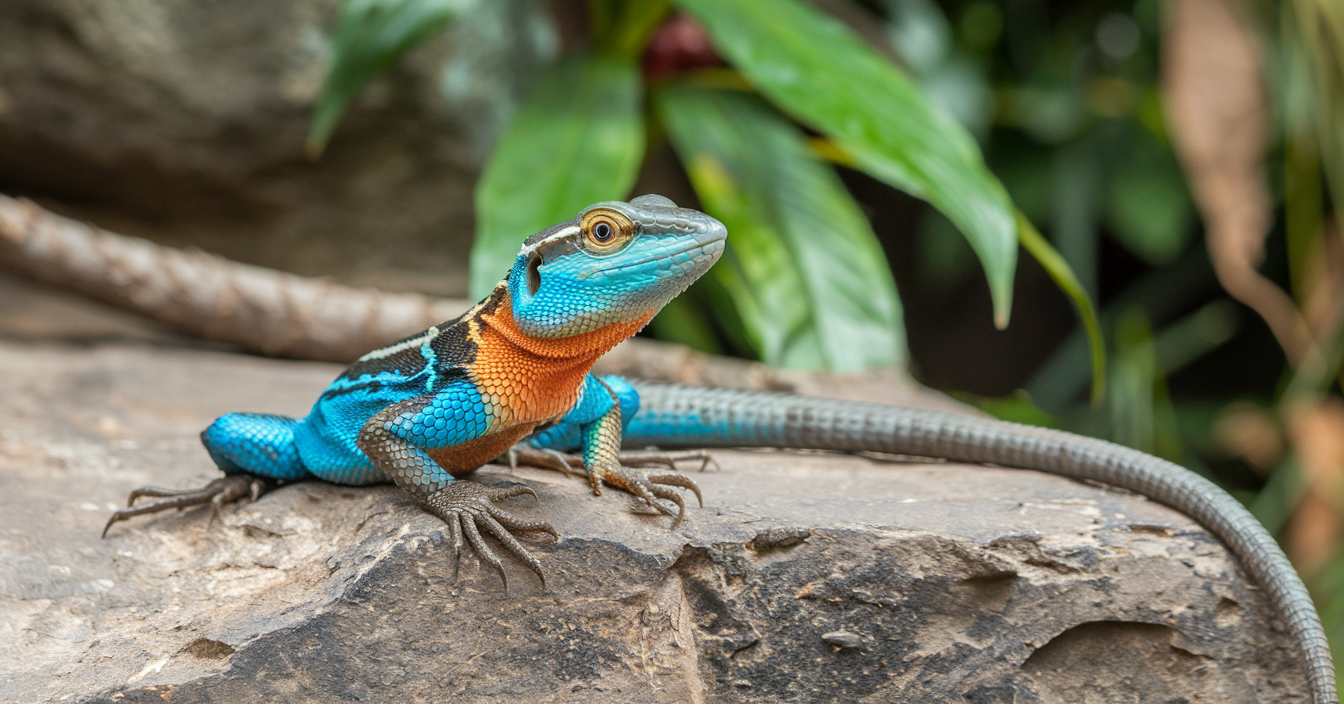
– Skin: Lizards are scaly; salamanders have smooth, moist skin without scales.
– Claws: Lizards have claws on their toes; salamanders don’t.
– Ear openings: Visible in most lizards; absent in salamanders.
– Habitat: Lizards prefer drier, sunnier spots; salamanders usually stick to damp, shaded areas.
Want more amphibian context? Again, our hub on reptiles and amphibians ties these comparisons together in one place.
Ethics Check: Photography, Handling, and Posting Online
I include this in any careful guide to lizards because our behavior matters:
– Photograph in place rather than posing or handling. Stress is invisible until it isn’t.
– If you must guide a lizard for a research photo, do so gently and briefly, then allow immediate retreat.
– Be cautious when posting exact locations of rare species. Poaching and disturbance are real concerns.
Gear I Actually Use (and Why)
You don’t need a truckload of equipment to enjoy lizards:
– A brimmed hat and water bottle (the human’s thermoregulation kit).
– Small flashlight or headlamp for crepuscular searches.
– Pocket notebook or phone notes for times, temps, and observations.
– Camera or phone with a quiet shutter and decent zoom.
– Field guide apps or bookmarked pages, like our evolving set of lizard articles.
Guide to Lizards: Quick Care Comparisons With Other Reptiles
Lizard husbandry overlaps with other reptiles but has unique twists. As a cross-check on heat and lighting, turtle and tortoise care explain UVB and temperature in ways that translate well. Try learn all about turtles for a comprehensive overview, and if you’re curious about friendly shell-bearers on land, this primer on tortoises helps clarify differences in diet, lighting, and enclosure design.
Guide to Lizards FAQ
– Are lizards good for gardens?
Yes. Most eat pest insects and spiders, reducing the need for chemical control. Provide safe basking spots and avoid pesticides.
– Can all lizards regrow their tails?
Many can, but not all. The regrown tail is usually shorter, differently textured, and comes at a metabolic cost to the lizard.
– Are lizards dangerous to people?
Generally, no. Give them space, avoid handling, and practice hand-washing afterward. The Gila monster and Mexican beaded lizard are venomous and must never be handled.
– How can I tell a lizard from a salamander quickly?
Look for scales, claws, and ear openings—lizards have them; salamanders don’t.
– Do lizards hibernate?
In temperate zones, many lizards brumate (a reptile version of hibernation) during colder months, resting in sheltered spaces until temperatures rise.
– What’s a good beginner pet lizard?
Captive-bred leopard geckos and bearded dragons are common first choices for keepers ready to invest in proper lighting, diet, and enclosure space. Research thoroughly before bringing one home.
– Is it okay to relocate a lizard from my yard to a park?
Generally, no. Relocation can spread disease, disrupt local genetics, and reduce the animal’s chance of survival. Coexist or contact local wildlife authorities if there’s a real conflict.
Want to Explore More?
If you enjoyed this field-forward guide to lizards and you’re eager to round out your backyard naturalist skills, dive into these related reads:
– Backyard insights: backyard wildlife and animal facts
– Amphibian neighbors: green tree frog facts and behavior
– Herp safety crossover: Missouri venomous snakes guide
– Reptile fundamentals: reptiles and amphibians and focused lizard articles
– Comparative care: learn all about turtles and learn all about tortoises
I hope this hands-on guide to lizards gives you the confidence to look closer, move slower, and meet your scaly neighbors on their terms. If you spot a flash of sunlit scales tomorrow morning, pause and enjoy it. There’s a whole world in that moment—and a lifetime of wonder hiding under the next warm rock.


