Small spines, big personalities: a friendly, first‑hand guide to hedgehogs
If you’ve ever watched a hedgehog snuffle through leaves under a moonlit shrub, you know why so many of us fall in love with them. They’re quiet, busy, and full of delightful surprises. In this guide, I’ll help you learn all about hedgehogs from the ground up—what they are, how they live, what they eat, what makes them healthy (or not), and how we can keep them safe. I’ll also share practical tips for people who care for pet hedgehogs (usually African pygmy hedgehogs) and folks who simply want to make their yards friendlier to wild ones. We’ll keep it clear, factual, and easy to skim—because hedgehogs may move slowly, but your time is valuable.
Hedgehog quick facts (so you can sound like the expert at the picnic)
- There are 17 species of hedgehogs in the family Erinaceidae, found in Europe, Asia, and Africa; they’ve also been introduced to New Zealand.
- They’re not rodents. They’re insectivorous mammals, more closely related to shrews than to porcupines.
- Spines (quills) are modified hairs made of keratin; they don’t detach like porcupine quills.
- Most are nocturnal with excellent hearing and smell, but poor eyesight.
- Wild European hedgehogs hibernate in cold climates; some African species may aestivate (light dormancy) during extreme heat or drought.
- In the wild, lifespan is typically 2–5 years; with excellent care, pet hedgehogs may reach 5–7 years, sometimes a bit more.
- Wild diets are heavy on insects, worms, slugs, and snails; pets thrive on a balanced insectivore diet with proper temperature and enrichment.
By the end, you’ll genuinely learn all about hedgehogs—enough to appreciate them in the wild and care for them ethically if you keep one as a companion where it’s legal.
What is a hedgehog, really? Anatomy and the famous roll-up
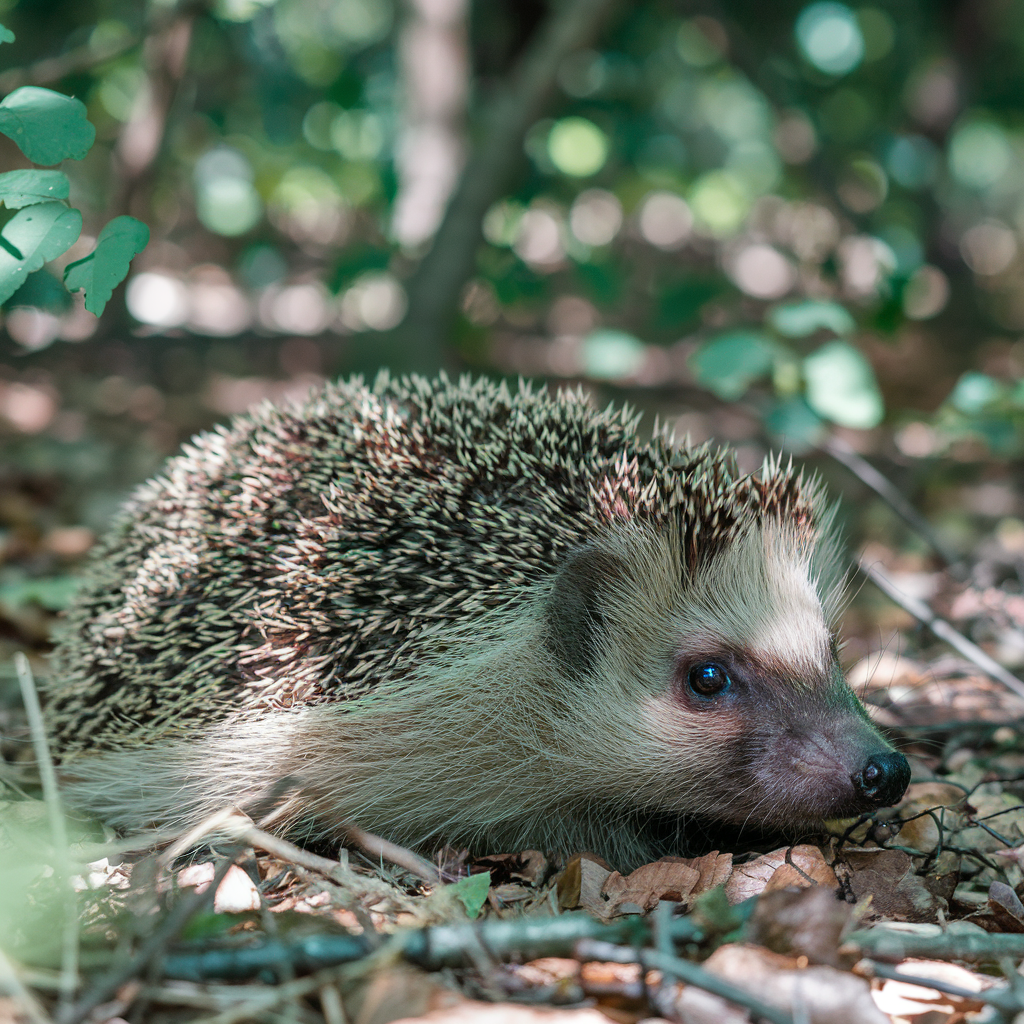
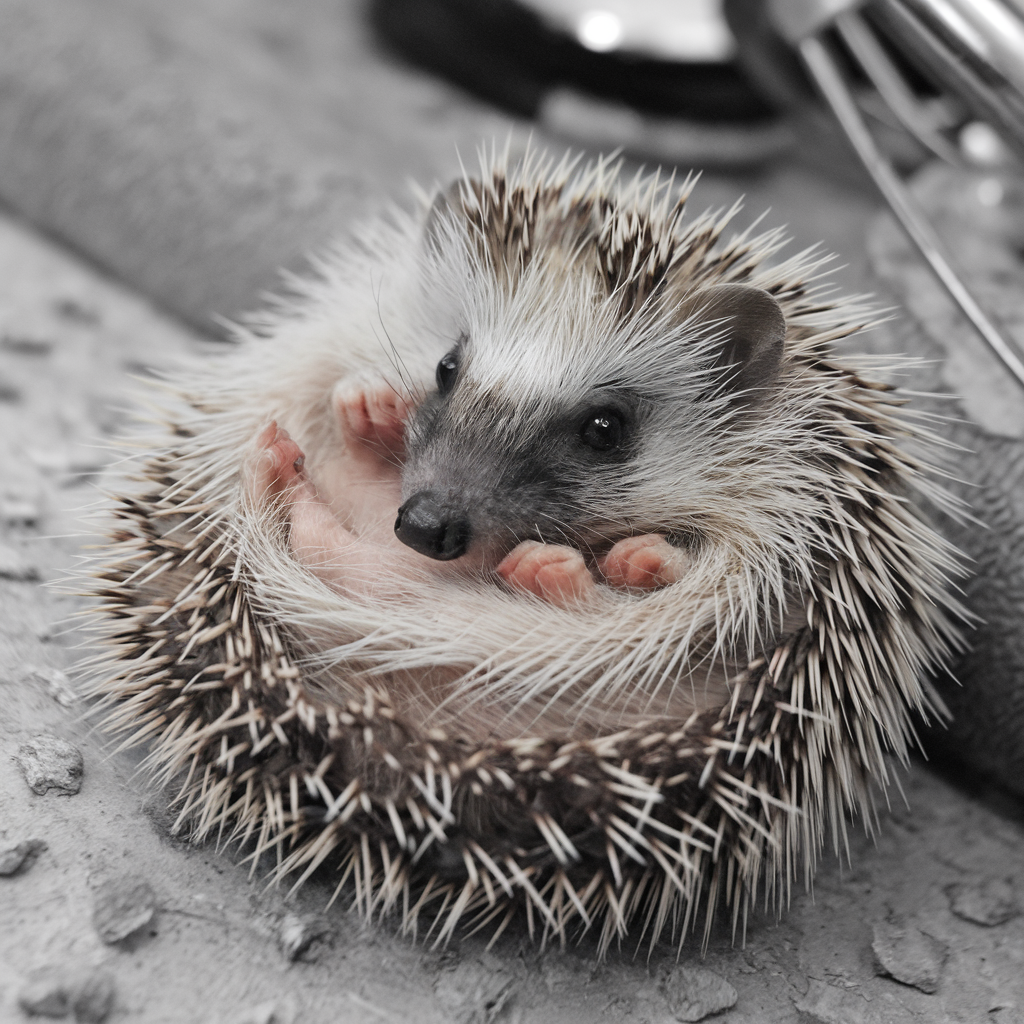
To truly learn all about hedgehogs, start with their design. Hedgehogs are compact, muscular mammals equipped with a specialized sheet of muscle (the panniculus carnosus) that lets them curl into a tight, armored sphere. Their spines are stiff, lightweight hairs that lock outward when they ball up, distributing force and discouraging predators. No, the spines don’t shoot out. And yes, the belly remains soft—so hedgehogs tuck it safely away when threatened.
They rely on a keen nose and sensitive whiskers to navigate. Eyesight is serviceable at close range, but it’s the ears and nose that lead the way. One behavior that always fascinates me is “self-anointing”: when a hedgehog encounters a new scent or taste, it may produce foamy saliva and smear it over its spines. We don’t fully understand why—possibly camouflage, chemical sampling, or parasite deterrence—but it’s normal and oddly endearing.

Night shift: behavior you notice after midnight
Hedgehogs are classic nocturnal foragers. In a healthy habitat, you’ll see them cruise low to the ground, sniffing and pausing, then hustling to the next patch of cover. They’re largely solitary, and most interactions in the wild are brief—seeking mates or defending territories. Communication includes gentle snuffles, huffs, and, occasionally, a determined “huff–puff” when they want personal space.
Young hedgehogs go through “quilling,” a natural process where juvenile spines are shed and replaced by adult spines, typically around several weeks to a few months old. During quilling, they may be a bit cranky. Respect that mood; you’d be grouchy too if your body were swapping its entire coat of tiny toothpicks.
Diet: what’s on the menu (wild and pet)
If you truly want to learn all about hedgehogs, pay attention to food. In nature, hedgehogs are opportunistic insectivores. A typical menu includes beetles, caterpillars, earthworms, slugs, and snails, plus the occasional frog, small lizard, or egg. They may nibble fallen fruit, but fruit is not the cornerstone of a healthy hedgehog diet. Because many meals wriggle, they need to forage for hours to meet their energy needs.
For pets, a well-balanced, high-protein, moderate-fiber, relatively low-fat diet is essential. Many caregivers use a high-quality formulated insectivore diet or a carefully chosen cat food as a base, supplemented with gut-loaded insects like mealworms and crickets. Avoid sugary treats and most seeds and nuts. Never feed milk; hedgehogs are lactose intolerant and can suffer diarrhea and dehydration from it. If you’re curious how hedgehogs interact with the rest of the small world’s menu, our overview of ant facts and the snail category are fun rabbit holes to explore.
Where hedgehogs live: habitats and range
To learn all about hedgehogs in context, consider their home turf. European hedgehogs (Erinaceus europaeus) favor hedgerows, meadows, wood edges, and gardens with ground cover and plenty of insects. In parts of Africa and Asia, species adapt to savannas, scrub, and even semi-arid regions, sheltering in brush piles, burrows, or dense vegetation by day.
- Native range: Europe, much of Asia, and Africa.
- Introduced: New Zealand (where they impact ground-nesting birds).
- Absent: the Americas and Australia (no native hedgehogs).
For a broader sense of their neighbors, jump into our regional guides like critters of Europe and animals of Africa. You’ll learn all about hedgehogs in the context of their ecosystems, which is where the most interesting stories live.
Hibernation, torpor, and temperature: the fine print that saves lives
In colder climates, European hedgehogs typically hibernate, slowing metabolism dramatically to survive winter when insects are scarce. They need well-insulated nests (often in leaf piles or under log stacks). In hot, dry conditions, some African species may enter a lighter dormancy called aestivation.
Pet African pygmy hedgehogs do not need to hibernate and can become dangerously ill if temperatures drop too low. Keep the enclosure in the 72–80°F (22–27°C) range. If a hedgehog becomes lethargic and cool to the touch, gently warm the environment and contact an exotic-animal veterinarian. This is one of the most important things to know if you want to learn all about hedgehogs and keep them safe at home.
Hedgehogs in the backyard: how to help without harming
Hedgehogs thrive where people keep things a little messy—in the best way. A wildlife-friendly garden provides cover, water, and arthropods. If you’re keen to learn all about hedgehogs in your yard, start with these basics:
- Leave some leaf litter and a brush pile for nesting and foraging.
- Provide a shallow water dish (refresh daily).
- Avoid metaldehyde slug pellets; they can poison hedgehogs. Consider wildlife-safe alternatives.
- If supplemental feeding is appropriate where you live, offer meaty cat food (no fish flavor) in a shallow dish, and remove leftovers by morning to avoid pests.
- Create “hedgehog highways” by cutting small holes (about 13 cm square) at the base of solid fences so hedgehogs can roam safely between gardens.
- Check for hedgehogs before strimming or mowing.
- In road-heavy areas, slow down at night and add signage where permitted.
Curious about other critters you might notice if you keep your backyard wild? Don’t miss our roundup of backyard wildlife facts. You’ll learn all about hedgehogs alongside your local night shift of frogs, bats, and beetles.
Keeping hedgehogs as pets: essentials for ethical, healthy care
Before anything else: check your local laws. Hedgehogs are illegal to keep in some regions (for example, certain U.S. states and cities). If it’s legal and you’re committed to learning all about hedgehogs as companions, here are the pillars of good care:
Space and setup
- Minimum enclosure footprint of roughly 2 × 3 feet (larger is better); solid sides reduce drafts.
- Substrate: paper-based bedding or fleece liners. Avoid aromatic wood shavings (cedar, non-kiln-dried pine).
- Wheel: solid running surface, 12-inch diameter, cleaned regularly.
- Hide: a secure, dark retreat. Add tunnels and toys for enrichment.
- Heat: maintain 72–80°F (22–27°C), often with a ceramic heat emitter and thermostat.
Diet and enrichment
- Base diet: high-quality insectivore formula or carefully selected cat food, with measured portions to prevent obesity.
- Insects: gut-loaded, dusted occasionally with calcium as instructed by your vet.
- Fresh water: in a heavy bowl; avoid sipper bottles that can damage teeth.
- Playtime: supervised exploration in a safe, escape-proof area.
Gentle handling
- Handle daily, but let your hedgehog wake up fully first.
- Offer your scent on a worn cotton T-shirt so they associate you with safety.
- Expect some huffing at first; patience and consistency win.
If you want to go beyond the basics and truly learn all about hedgehogs, build a team that includes an experienced exotic vet and a reputable breeder or rescue who prioritizes health and temperament.
Health and safety: common issues to watch
Good care doesn’t stop at food and warmth. To learn all about hedgehogs responsibly, you should also know the red flags:
- Mites: can cause itchiness, quill loss, and scabs. A vet can diagnose and treat.
- Dental disease: look for drooling, difficulty chewing, or foul odor.
- Obesity: a common issue in pets; adjust diet, provide nightly wheel access.
- Wobbly Hedgehog Syndrome (WHS): a progressive neurological condition with no cure; work with a vet for supportive care.
- Salmonella: rare but documented in pet hedgehogs; wash hands after handling, keep enclosures clean, and keep hedgehogs away from kitchen surfaces.
For wild hedgehogs, ticks and injuries (especially from cars and garden tools) are common concerns. If you find one active in daytime, underweight, injured, or cold, contact a wildlife rehabilitator. Keep it warm in a ventilated box with a towel while you arrange professional help—no food or water unless advised.
Hedgehog myths vs. facts (let’s clear these up)
- Myth: “Hedgehogs shoot quills.” Fact: They don’t; spines are firmly attached.
- Myth: “Milk is a treat.” Fact: They’re lactose intolerant. Offer water, not milk.
- Myth: “Hedgehog fleas will infest my pets.” Fact: The hedgehog flea is species-specific and rarely transfers; household fleas are a different issue. Still, check with a vet if you suspect parasites.
- Myth: “They’re rodents.” Fact: They’re insectivores, not in the rodent family.
- Myth: “They’re cuddly.” Fact: They can bond with patient handling, but they’re naturally shy, solitary, and spiky. Respect their boundaries.
Predators and neighbors: who’s out there with them?
In Europe, badgers and foxes are notable hedgehog predators; large owls can also take them. Curious to learn all about hedgehogs in relation to the nighttime sky patrol? Our feature on all about bats is a great companion read, and the broader birds category offers a window into avian neighbors (and occasional threats) hedgehogs share space with. Understanding these relationships is part of how we truly learn all about hedgehogs within their ecosystems.
Conservation: small actions, real impact
European hedgehog numbers have declined in parts of their range due to habitat loss, road mortality, pesticides that reduce insect prey, and impermeable fences. Practical steps help:
- Create connected gardens with small fence gaps.
- Plant native shrubs and wildflowers to boost insect diversity.
- Reduce or eliminate pesticides and rodenticides.
- Offer safe nesting spaces like log piles or purpose-built boxes.
- Participate in local hedgehog surveys and support rehab centers.
Community science and neighborhood cooperation are powerful. The more people who learn all about hedgehogs, the easier it becomes to build landscapes they can thrive in.
Legal and ethical notes (short, but important)
Not everywhere allows hedgehogs as pets. Some regions restrict ownership to protect local ecosystems or due to welfare concerns. Always confirm your local regulations before adopting. Never capture a wild hedgehog to keep as a pet—wild animals belong in the wild, and many require specialized diets and seasonal cycles humans can’t easily replicate.
Hedgehog-friendly checklist you can use tonight
- Water dish out, every evening. Fresh, shallow, and stable.
- Leafy corners left intact. Resist the urge to over-tidy.
- Safe fence gaps. Share the yard; share the night.
- No metaldehyde. Choose wildlife-friendly slug control.
- Check before you strim or burn brush piles.
- If you find a hedgehog in distress, keep it warm and call a rehabilitator.
Expanding your curiosity beyond hedgehogs
Part of the fun of learning all about hedgehogs is meeting the neighbors and understanding the food web. If tonight’s reading fuels your curiosity, try these next reads:
- Explore more hedgehog articles as we continue adding new field notes and guides.
- Get to know garden pollinators and winged visitors with our birds and guide to bees.
- If shells fascinate you as much as spines, you might enjoy our primer to learn all about turtles.
A few final words from one hedgehog admirer to another
When people tell me they want to learn all about hedgehogs, I smile. There’s a lot to love in these small, steady insect-hunters. They reward patience. They remind us to keep a corner of the world a little wilder. Whether you’re setting a shallow dish of water in your garden or fine‑tuning a warm, enriched enclosure for an African pygmy hedgehog, you’re part of their story now.
Keep noticing the details: the determined snuffle, the careful curl, the way a hedgehog pauses at the edge of a shadow before choosing the next patch of cover. If you keep exploring, you won’t just learn all about hedgehogs—you’ll start to see your whole neighborhood through their eyes. And that’s the kind of knowledge that changes how we live.