What Makes a Turtle a Turtle?
Turtles are reptiles — not amphibians like frogs or fish, even though they often live in the water. What makes a turtle special is that it’s got a bony or cartilaginous shell that’s fused to its spine and ribs. It’s not something they crawl into — they are their shell. If you’ve ever wondered whether a turtle can climb out of its shell like a crab ditching its shell for a new one, the answer is a hard no.
These animals have been roaming the Earth for over 200 million years, even before the dinosaurs vanished. Turtles can be found in freshwater, saltwater, and on land (though land-dwellers are technically called tortoises — like these guys right here 🐢).
Turtle Anatomy and Shell Structure
The shell is where it gets really cool. A turtle’s shell is made up of over 50 bones, including its ribcage and part of its spine. The top part is called the carapace, and the flat bottom part is the plastron. Those bumps and patterns? Each is a section called a scute, made of keratin — the same stuff as your fingernails.
This shell isn’t just tough — it feels. That’s why you should never tap or knock on a turtle’s shell like it’s armor. We go deeper into the details in our 🐢 turtle and tortoise shell facts article — trust me, it’ll change how you think about them forever.
Turtle vs Tortoise: What’s the Real Difference?
It’s easy to confuse turtles and tortoises — but once you know what to look for, they’re pretty different. The biggest clue? Their feet and habitat. Tortoises live on land and have stumpy, elephant-like feet. Turtles, especially aquatic ones, have webbed feet or even flippers for swimming.
Shell shape gives you another clue: tortoises tend to have high, dome-like shells, while turtles usually have flatter, more aerodynamic shells. Not sure which one you saw? Our full tortoise category breaks it all down so you never mix them up again.

Types of Turtles Around the World
There are over 350 species of turtles, ranging from tiny to absolutely massive. Here’s a glimpse of some common types:
- Sea Turtles – like the green sea turtle or leatherback, known for their long migrations across oceans.
- Freshwater Turtles – these include pond sliders, map turtles, and snapping turtles.
- Box Turtles – named for their hinged shell that lets them close up tight.
- Softshell Turtles – they have a leathery, flattened shell and spend most of their lives underwater.
As your go-to guide, we’re always adding more info to our freshwater creatures category — perfect for exploring what shares the pond with your local turtles!
How Long Do Turtles Live?
Here’s one of the coolest turtle facts — their lifespan can blow your mind. Most turtles live 20 to 40 years, but some species keep going for decades more. And when it comes to pet turtles, if you care for them right, they might outlive your dog!
Whether they’re hanging out in backyard ponds or journeying through rivers, a turtle’s long life adds to its charm. Explore more fascinating reptile lifespans in our turtle articles 🐢.
What Do Turtles Eat?
Turtles aren’t picky — but they are specific to their type. Many freshwater turtles eat insects, aquatic plants, worms, and small fish. Land-dwelling turtles (not tortoises!) tend to prefer leafy greens and fruits. The balance depends on the species.
Want to dive deeper into what your backyard buddy might be munching on? Our freshwater creatures section has more insights on shared ecosystems.

Where Do Turtles Live?
Turtles are adaptable little tanks. They live in ponds, lakes, rivers, forests, deserts, and even your own backyard if you’re lucky. Most North American turtles thrive in calm waters where they can bask on logs and hide in the mud.
We’ve explored some of the coolest turtle environments in our growing turtle collection. 🌍
Incredible Turtle Migration
Some turtles travel long distances — especially aquatic turtles. While they might not be sea turtles crossing oceans, even freshwater turtles migrate to find safe nesting grounds or better food sources.
Check out how these journeys connect with their seasonal habits in our full turtle learning section.
How Do Turtles Reproduce?
It all starts with courtship — yes, turtles court. The male may flutter his claws in the female’s face, nudge her shell, or follow her around. Once they mate, the female lays soft-shelled eggs in a carefully dug hole and buries them.
If you’re curious about similar animal parenting styles, hop over to our freshwater creatures section for more critter family life.
How to Tell the Difference Between a Turtle and a Tortoise
This one gets folks all the time — they’re not the same! Tortoises live on land, have dome-shaped shells, and thick, elephant-like legs. Turtles live in water or near it and have webbed feet or flippers for swimming.
We’ve got a full deep-dive on this over on our turtle vs. tortoise shell article — a must-read for any critter lover!
Do Turtles Hibernate?
In colder regions, many turtles brumate (a reptile version of hibernation). They slow down, bury into the mud underwater, and can stay there for months without eating. Their metabolism nearly shuts down, but they survive — it’s amazing.
You can find more cool seasonal behavior facts on our turtle category page 💤.
Can Turtles Feel Their Shells?
Yes, absolutely. A turtle isn’t hiding in its shell — it is its shell. The shell is fused to their ribs and spine. It’s full of nerves, which means they feel pressure, heat, pain, and touch.
That’s why handling turtles gently is key. Our full post about turtle shells dives into what makes that shell such an incredible, sensitive structure.
Why Do Turtles Bask in the Sun?
If you’ve ever seen a turtle stretching out on a log like it’s tanning — you’ve witnessed basking. Turtles bask to warm up, dry off, and absorb UVB rays that help them create vitamin D.
It’s not just for comfort — it’s survival. You’ll see more of this common behavior broken down in our freshwater creatures section too.
Common Turtles Found in North America
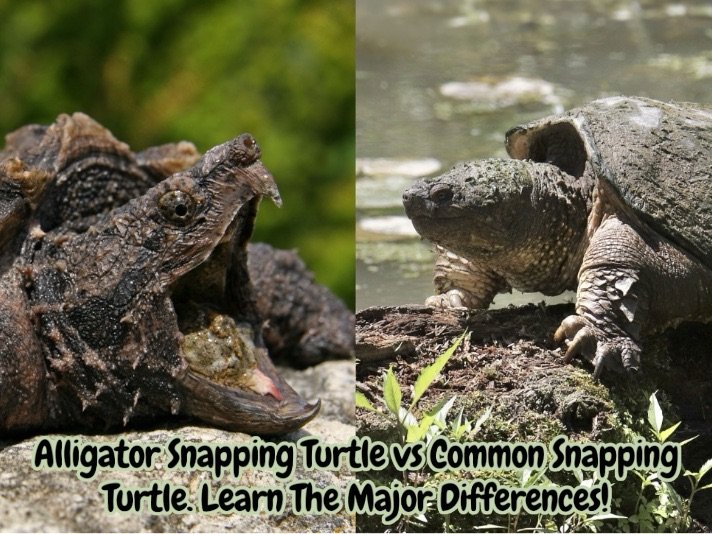
In the U.S., you’ll commonly spot box turtles, painted turtles, and snapping turtles. Each has its own unique look and lifestyle. For instance, snapping turtles are powerful swimmers, while box turtles are slow movers with hinged shells.
Explore their habitats, traits, and behaviors throughout our turtle-focused articles
Are Turtles Good Pets?
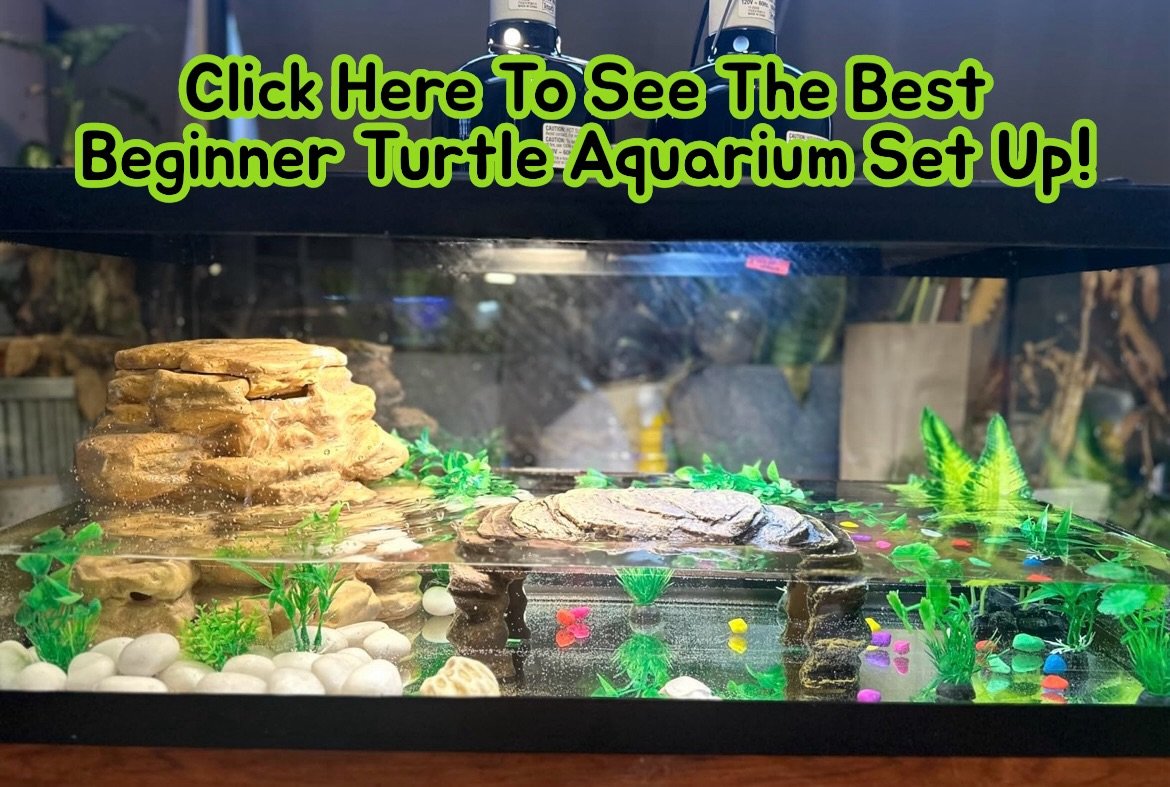
Turtles can be fun to care for, but they’re not for everyone. They require specific lighting, diet, and clean water. Some species live 30+ years, which means this isn’t a short-term pet — it’s a long-term commitment.
If you’re curious about which critters make better low-maintenance pets, our broader turtle info section has more articles coming soon.
How to Safely Help a Turtle Cross the Road
If you spot a turtle crossing the road, only help it if it’s safe for you to do so. Always move it in the direction it’s already headed — not back where it came from — or it’ll just try again.
Want more info on spotting turtles in your area? Keep an eye on our North American wildlife category for regional turtle sightings and tips.
Why Do Turtles Pull Into Their Shells?
Turtles retract into their shells to protect their soft limbs and head. It’s their built-in defense system. But not all turtles can do it fully — some species have partial shell coverage or unique shapes that change how they defend themselves.
We dig into the anatomy and purpose of these shells more over in our post on turtle and tortoise shells — it’s way more than just “armor.”
Turtle Myths and Misconceptions
Let’s bust some myths. No, turtles don’t shed their shells. No, they’re not slow in water (aquatic turtles can really move). And yes, they can feel everything that touches their shell.
For more facts like these, stay tuned to our growing turtle learning section 🧠.
Turtles Deserve Our Respect
They’re not toys. They’re not just pond decor. Turtles are ancient, fascinating, living creatures that have survived for over 200 million years. Whether you meet one in the wild or keep one as a pet, always treat them with care.
We’re proud to keep building out resources and articles like this in our full turtle blog category 🐢.