Hummingbirds: Nature’s Tiny Winged Powerhouses
You’ve probably seen a hummingbird dart past your window, hover mid-air over a flower, or zip around a backyard feeder like a feathered bullet. But these little guys are way more than just a blur of wings and color.
Hummingbirds are the smallest birds in the world, and every single species lives only in the Americas—you won’t find a hummingbird in Europe, Asia, or Africa. From the tropical rainforests of South America to backyard gardens in North America, hummingbirds have adapted to thrive in an impressive range of climates.
They’re known for their bright colors, insanely fast wingbeats, and ability to hover in place, something no other bird can do quite like they can. And yet, despite their popularity at feeders, there’s still a ton of mystery and fascination surrounding how they live, migrate, and survive.
You can always explore specific species in our growing hummingbirds category as you learn more about these dazzling little flyers.
Where Do Hummingbirds Live?
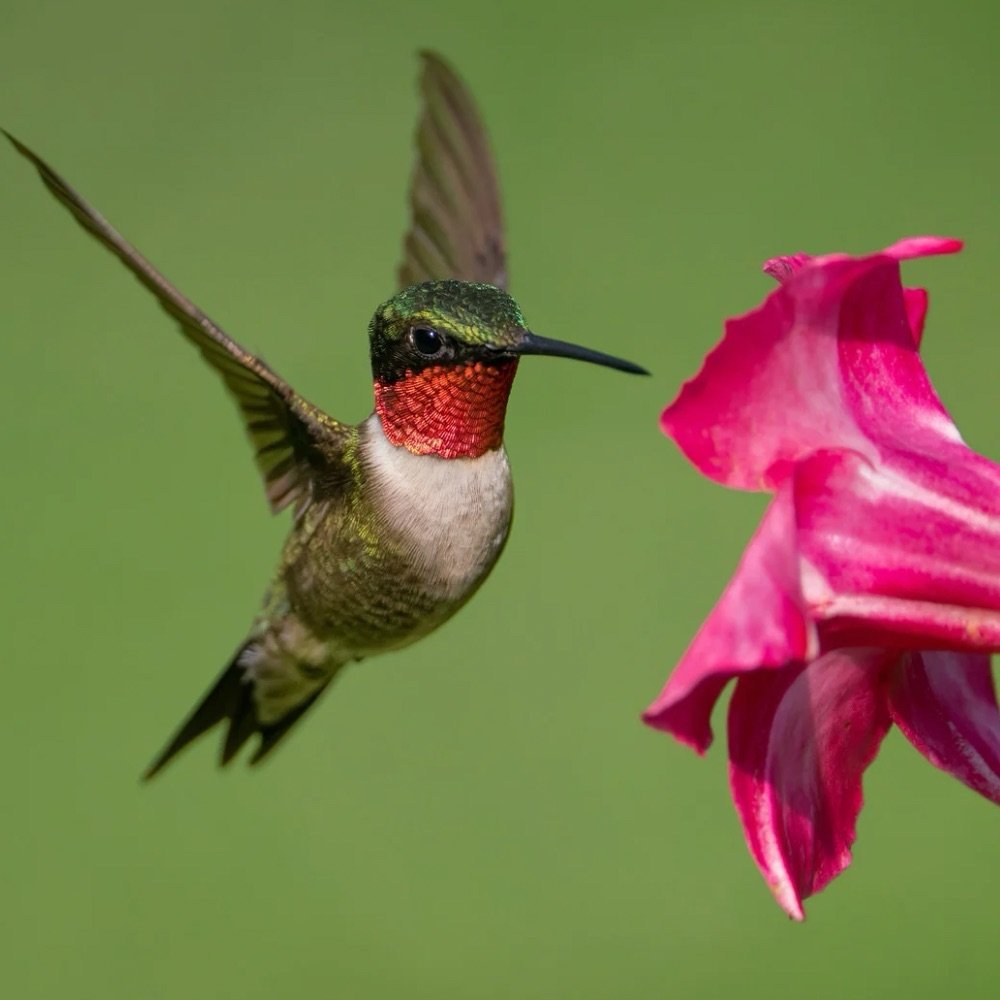
Hummingbirds are found only in the Western Hemisphere. You’ll see them in North America, Central, and South America, from chilly mountain meadows to steamy tropical forests. That means whether you’re in the U.S., Mexico, or deep in the Amazon, there’s a species of hummingbird made just for that environment.
In North America, you’ll mostly find species like the ruby-throated hummingbird, Anna’s hummingbird, and the black-chinned hummingbird. They tend to favor areas with flowering plants and clean water sources.
Further south, the diversity explodes. South America is home to hundreds of species, many with shimmering names like the crimson-topaz, violet sabrewing, or the green hermit.
Most hummingbirds stick to areas rich in nectar-producing flowers, which is why you’ll often see them in lush gardens, meadows, or forest edges. But some, like Costa’s hummingbird, have even adapted to survive in desert climates.
How Hummingbirds Fly So Fast (and Backward!)
Hummingbirds have one of the most fascinating flight styles of any bird. Their wings move in a figure-eight pattern, which allows them to hover, fly forward, backward, and even sideways—movements most birds simply can’t do.
Some species flap their wings up to 80 times per second, which is what gives them that familiar blur when you see them up close. This also explains the soft buzzing or whirring sound you’ll often hear before you even spot one.
That incredible wing speed means they burn a ton of energy, which is why they’re constantly feeding. But more on that in the next section.
What Do Hummingbirds Eat?
Hummingbirds have a huge appetite for their size—and they need it. Their metabolism is so fast that they have to eat almost constantly just to stay alive.
The biggest part of their diet is nectar from flowers. That sugary liquid fuels their high-speed lifestyle. But they’re not living on sugar alone—they also eat small insects and spiders to get protein, especially when feeding young.
Their tongue is long, forked, and super fast, allowing them to lap up nectar about 13 times per second. They don’t suck like a straw—think of it more like a tiny pump that keeps moving with every lick.
If you’ve ever set out a feeder, you know how quickly they return once they’ve found a food source. They’ll even guard it like it’s their personal flower patch.
Do Hummingbirds Migrate?
Yes—many hummingbirds migrate, and some of their journeys are absolutely mind-blowing. The most well-known traveler is the ruby-throated hummingbird, which migrates all the way from North America to Central Americaevery fall.
One of the wildest parts? These tiny birds, some weighing less than a penny, fly nonstop across the Gulf of Mexico, covering 500 miles in one stretch without resting. They don’t travel in flocks like other birds. Each one makes the journey solo.
Not all hummingbird species migrate. Anna’s hummingbirds, for example, often stay in place year-round on the west coast of North America, as long as there’s enough food and mild temperatures.
Migration timing is driven by daylight hours, not temperature, so they start their long flight before the weather even changes—nature’s internal clock in full swing.
Hummingbird Nests: Tiny and Perfect
Hummingbird nests are some of the tiniest and most delicate in the bird world. Most are about the size of a ping-pong ball, and some even smaller. Yet despite their size, they’re incredibly strong and flexible.
Females build the nest all on their own, often using materials like spider silk, moss, lichen, feathers, and soft plant fluff. The spider silk is especially important because it allows the nest to stretch as the chicks grow—a built-in feature that’s nothing short of genius.
They usually nest on thin branches, vines, or even wires close to human homes. Spotting one is rare because they’re so well-camouflaged, but once you know what to look for, it’s a real treat.
Types of Hummingbirds: Meet the Variety
There are over 300 species of hummingbirds across the Americas, and they come in all sorts of shapes, sizes, and shimmering colors. Some are bold and territorial. Others are shy and hard to spot. Here’s a sampling of the most fascinating types to look out for:
North America
- Ruby-throated hummingbird – East Coast favorite
- Anna’s hummingbird – year-round on the West Coast
- Rufous hummingbird – known for long migrations and feisty attitude
- Black-chinned hummingbird – widespread in the Southwest
- Calliope hummingbird – smallest hummingbird in the U.S.
- Broad-tailed hummingbird – mountain specialist
Central & South America
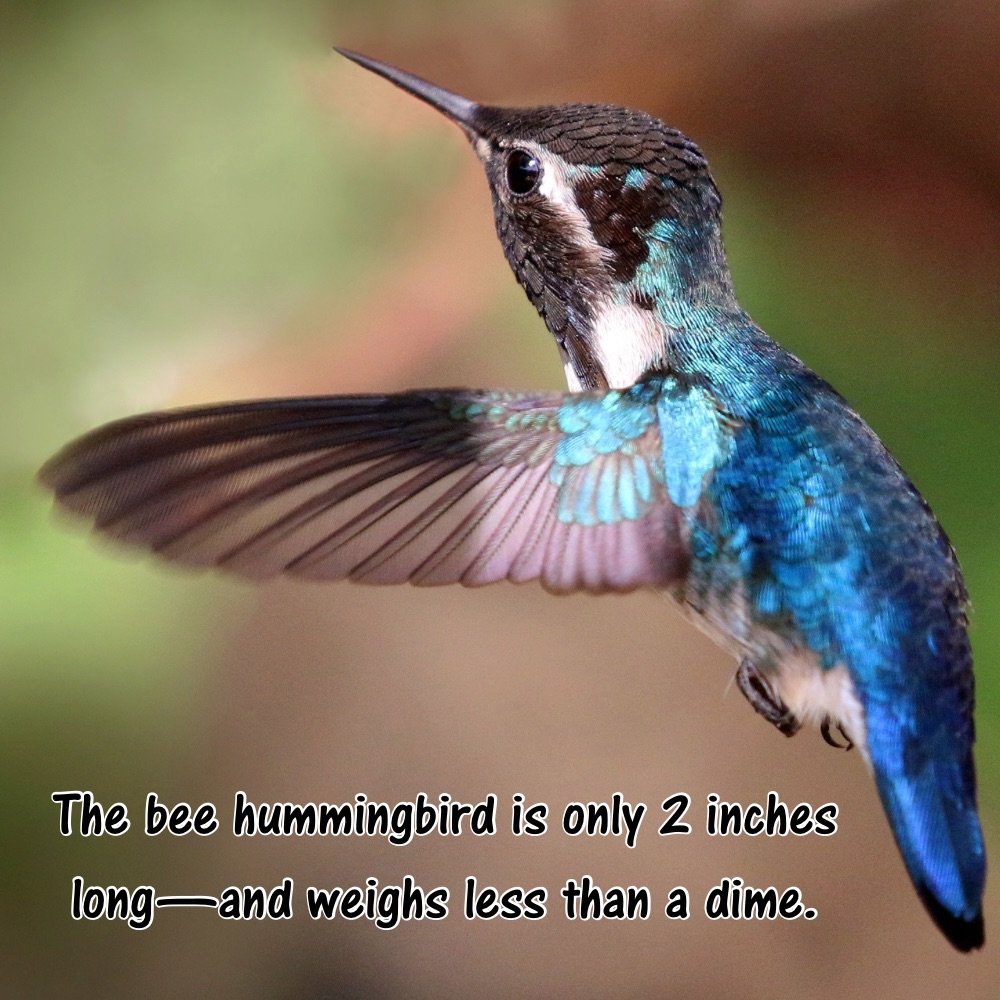
- Bee hummingbird – world’s smallest bird, found in Cuba
- Crimson-topaz – fiery colors and flared tail feathers
- Violet sabrewing – big, bold, and deep purple
- Costa’s hummingbird – desert survivor
- Flame-throated sunangel – brilliant throat blaze
- Green hermit – long tail streamers and curved bill
- Buff-bellied and black-bellied hummingbirds – subtropical specialists
You can discover even more as we expand our hummingbirds category with individual profiles and fun facts on each type.
Hummingbird Colors and Why They Shine
One of the most magical things about hummingbirds is their iridescent feathers—those shimmering, shifting colors that almost glow in the sunlight.
But it’s not actually pigment that causes those vibrant colors. It’s the structure of their feathers, which refracts and reflects light differently depending on the angle. That’s why a ruby throat can look black one moment and deep red the next.
Male hummingbirds tend to be flashier than females. Their glowing colors help attract mates, and in some cases, intimidate rivals. Females are usually more subdued in color to help them blend in while nesting.
Hummingbird Behavior and Personality
Hummingbirds may be tiny, but their personalities are huge. These birds are bold, curious, and sometimes downright bossy—especially around feeders or flower patches they’ve claimed as their own.
Many species are extremely territorial, especially the males. They’ll chase away other hummingbirds, bees, butterflies, and even much larger birds that get too close to “their” nectar source. You’ll often see them swooping in figure-eights or dive-bombing with chirps and whistles to show who’s boss.
Despite their feistiness, hummingbirds are also incredibly adaptable. Some get so used to humans that they’ll fly right up to your face to inspect a bright shirt or hover by your hand while you fill a feeder.
Hummingbirds in Your Backyard
If you want to attract hummingbirds to your yard, it’s easier than you think. Start with a clean hummingbird feeder filled with a sugar-water mix (1 part sugar to 4 parts water—no red dye needed). Keep it clean and fresh to avoid mold or fermentation.
You can also plant nectar-rich flowers like bee balm, trumpet vine, salvia, and zinnias. Hummingbirds love native flowers that bloom in bright reds, pinks, and purples, especially ones with tube-shaped blossoms.
Create layers in your yard with trees, shrubs, and open space so they have places to perch, rest, and hide their nests. The more you create a hummingbird-friendly habitat, the more likely they’ll return every season—and maybe even bring friends.
Are Hummingbirds Endangered?
While hummingbirds as a group are not endangered, some specific species are at risk due to habitat loss, climate shifts, and reduced food sources.
For example, species that rely on very specific plants or narrow migration paths can be affected when forests are cleared or flowering seasons change due to droughts or warmer winters.
Others, like the bee hummingbird of Cuba, are considered near threatened because of their limited range and environmental changes. Conservation efforts often focus on protecting wildflower-rich ecosystems, reducing pesticides, and educating people about how to help hummingbirds thrive.
As backyard birdwatchers and nature lovers, even small steps—like planting native flowers or avoiding harsh chemicals—can make a difference for these birds.
Why We Love Hummingbirds
There’s just something magical about hummingbirds. Whether it’s the shimmering colors, the way they hover like tiny helicopters, or their lightning-fast visits to your feeder, they always bring a little spark of joy and wonder.
They’re living proof that being small doesn’t mean being ordinary. These birds are built for speed, beauty, and resilience. From the snowy mountains to the warmest rainforests, hummingbirds show up, stand out, and leave us smiling.
If you’re hooked on hummingbirds now (and who isn’t?), make sure to explore our full hummingbirds category where we cover many of the amazing species mentioned in this guide.
More flying jewels coming soon.