Missouri Venomous Snakes – What You Need to Know
Missouri is home to over 40 different species of snakes, but only a handful are venomous. And while the word “venomous” tends to trigger fear, most of these snakes aren’t out to get you — they just want to be left alone. In fact, many snake encounters in Missouri happen because someone accidentally stepped too close or tried to handle the snake.
Knowing which snakes are dangerous and where they’re found can help you avoid a bad situation altogether. Whether you’re hiking the Ozarks, working in your garden, or just exploring with your kids, it’s smart to learn about the venomous snakes in Missouri before heading outside.
👉 For more fascinating snake species and facts, check out our 🐍 snake blog category page full of wild reptile knowledge.
How Many Poisonous Snakes Live in Missouri?
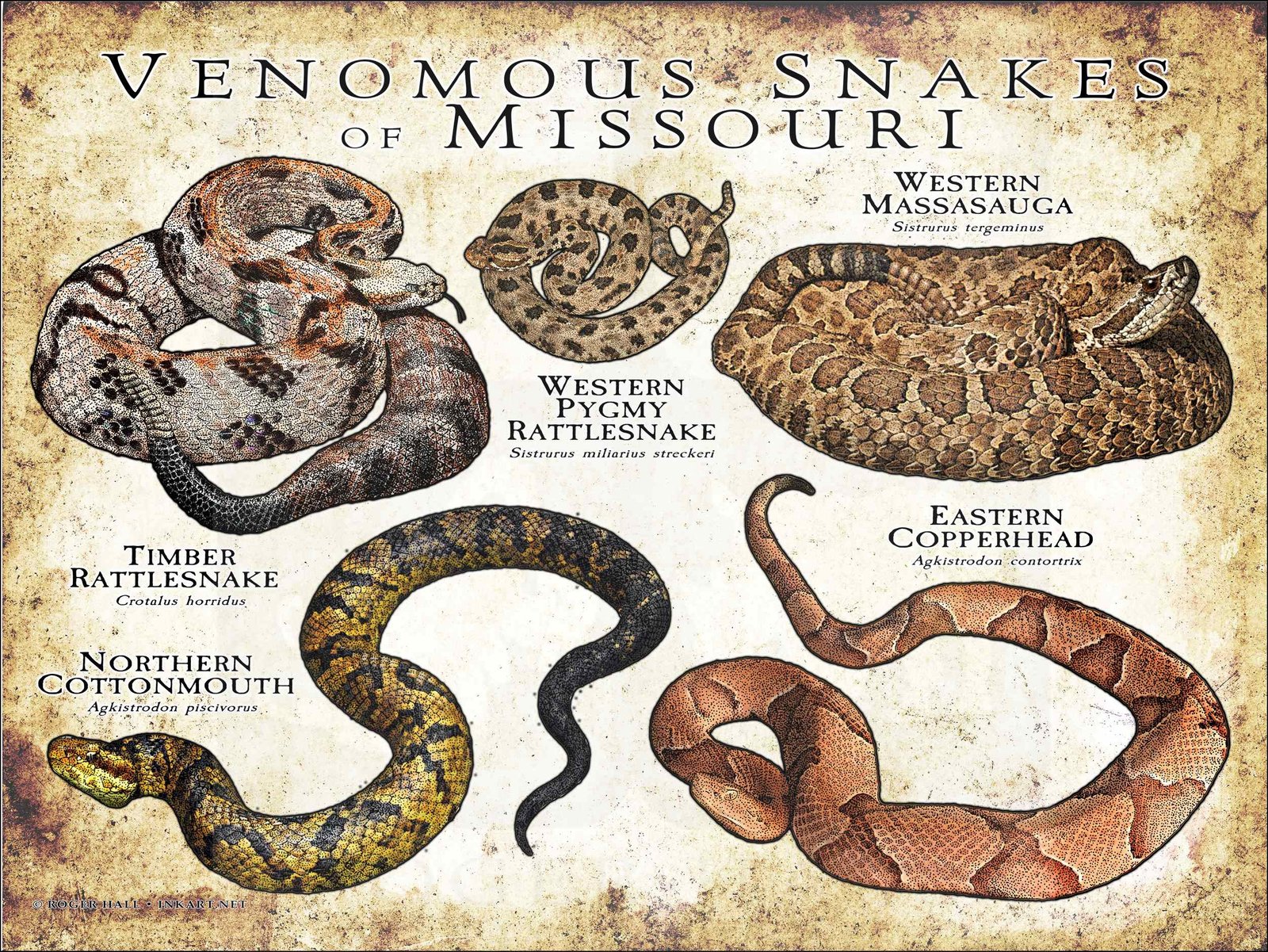
Out of all the snakes slithering through the Show-Me State, only five species are considered venomous. That means the vast majority of snakes in Missouri are completely harmless — and many are even beneficial by controlling pests like mice and insects.
Here are the five venomous snakes in Missouri:
- Eastern Copperhead
- Timber Rattlesnake
- Western Pygmy Rattlesnake
- Western Massasauga
- Northern Cottonmouth (also called a water moccasin)
These snakes tend to stick to wooded areas, wetlands, or rocky terrain. You’re unlikely to find one slithering through downtown St. Louis — but if you spend time outdoors, it’s important to recognize the dangerous ones.
This is a great place to naturally mention related resources, like our upcoming copperhead-specific article, or even our general reptile care articles for turtle lovers who might also encounter wild snakes.
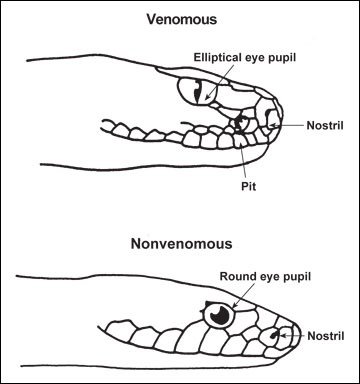
Meet the Venomous Snakes of Missouri
Let’s break down the big five venomous species in Missouri — where they’re found, how to recognize them, and why they’re not as terrifying as you might think.
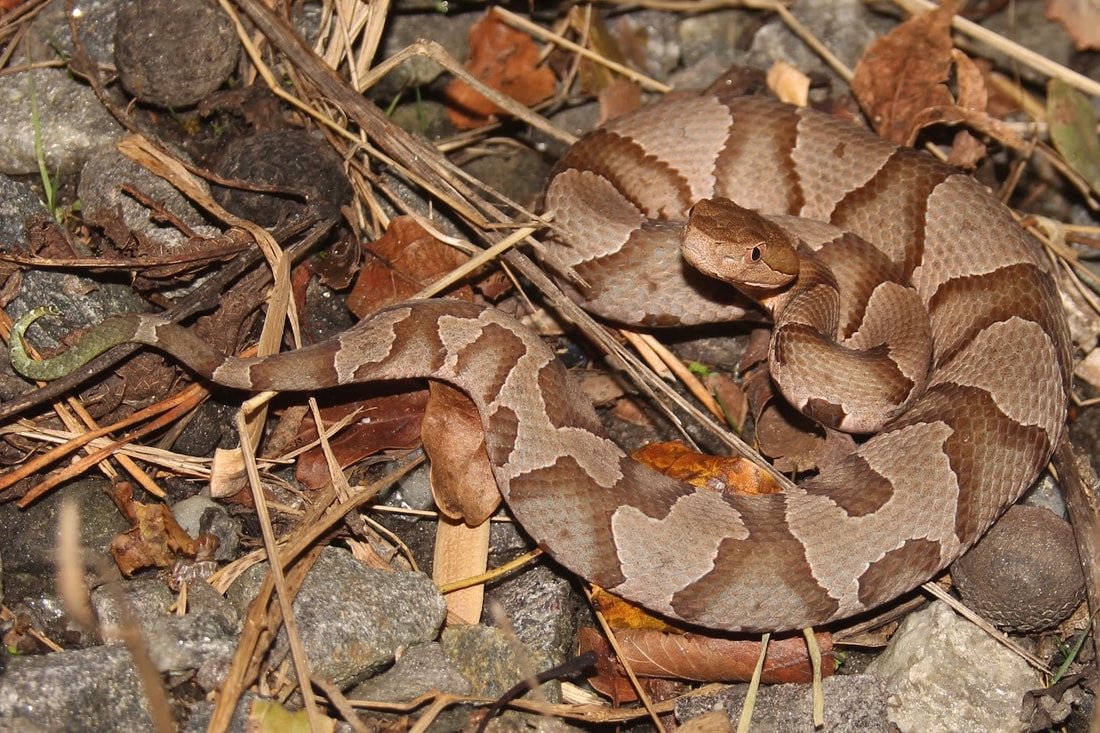
Eastern Copperhead
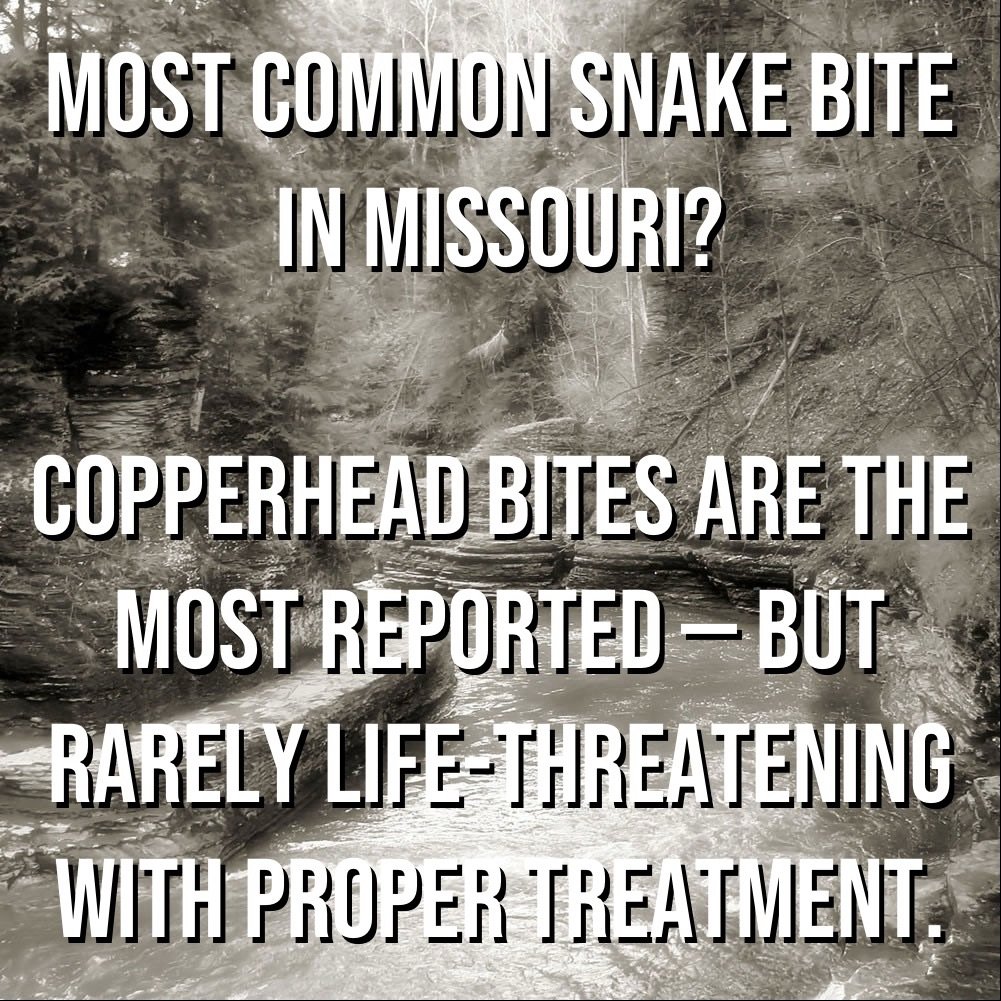
The Eastern Copperhead is the most commonly seen venomous snake in Missouri. They have a distinctive hourglass-shaped pattern along their back and a beautiful copper-colored head — hence the name. Most copperhead bites happen when people unknowingly step near or on them.
- Habitat: Wooded hillsides, rocky outcroppings, and even around homes in rural areas.
- Behavior: Not aggressive. They rely on camouflage and freeze when threatened, which is why many bites happen — they’re just hard to spot!
- Danger level: Painful bite, but rarely fatal.
You’ll want to keep an eye out for this one if you’re hiking through the Ozarks or doing yard work in rural Missouri.
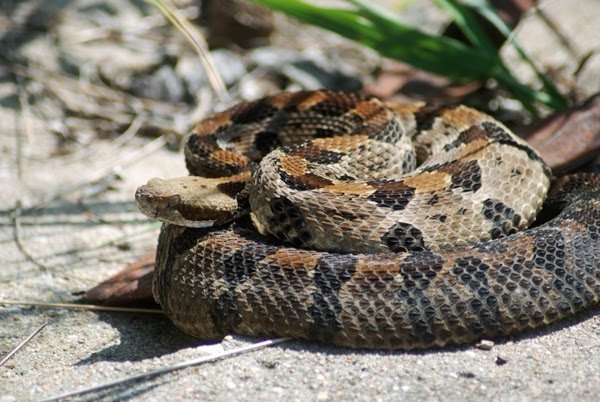
Timber Rattlesnake
One of Missouri’s largest venomous snakes, the Timber Rattlesnake is known for its intimidating rattle — but the truth is, these snakes are extremely shy.
- Habitat: Deep woods, rocky bluffs, and forested hills in southern Missouri.
- Appearance: A bold black chevron pattern with a thick, stocky body and — of course — a rattle at the tail.
- Behavior: Will usually rattle to warn you before striking. They prefer to stay hidden.
While their bite is dangerous, most bites occur when they are surprised or provoked. Give them space and they’ll keep to themselves.
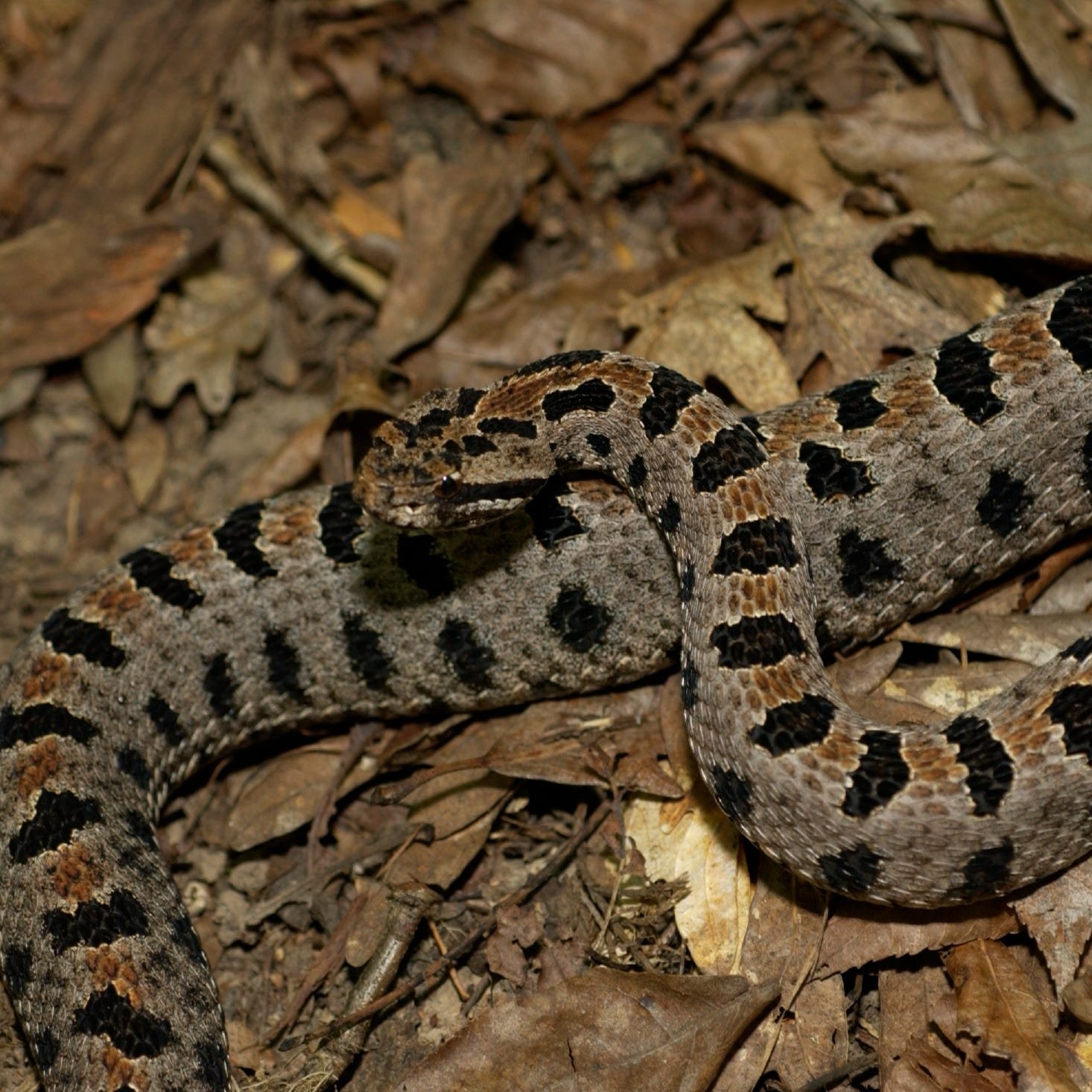
Western Pygmy Rattlesnake
Despite the scary name, the Western Pygmy Rattlesnake is Missouri’s smallest venomous snake — and also one of the rarest.
- Size: Typically less than 2 feet long.
- Habitat: Found mostly in the southern third of Missouri, especially in rocky woods and near streams.
- Look: Gray body with dark blotches and a faint rattle that’s hard to hear.
- Bite: Venomous, but due to their small size, bites are rare and usually not life-threatening.
You’re more likely to hear a cricket chirp than their faint rattle, but they’re still important to know about. Their camouflage makes them easy to miss.
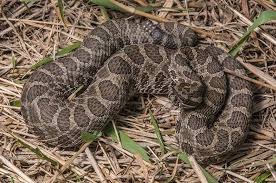
Western Massasauga
This elusive rattlesnake is only found in parts of northern and central Missouri, mostly in prairie and wetland areas.
- Look: Light gray body with darker round blotches down the back.
- Habitat: Wet prairies, river bottoms, and grassy lowlands.
- Behavior: Very secretive — they almost never bite unless cornered.
Because their habitats are shrinking, the Massasauga is actually considered a threatened species in Missouri. If you ever see one, snap a pic from a distance and leave it alone — it’s best for you and the snake.
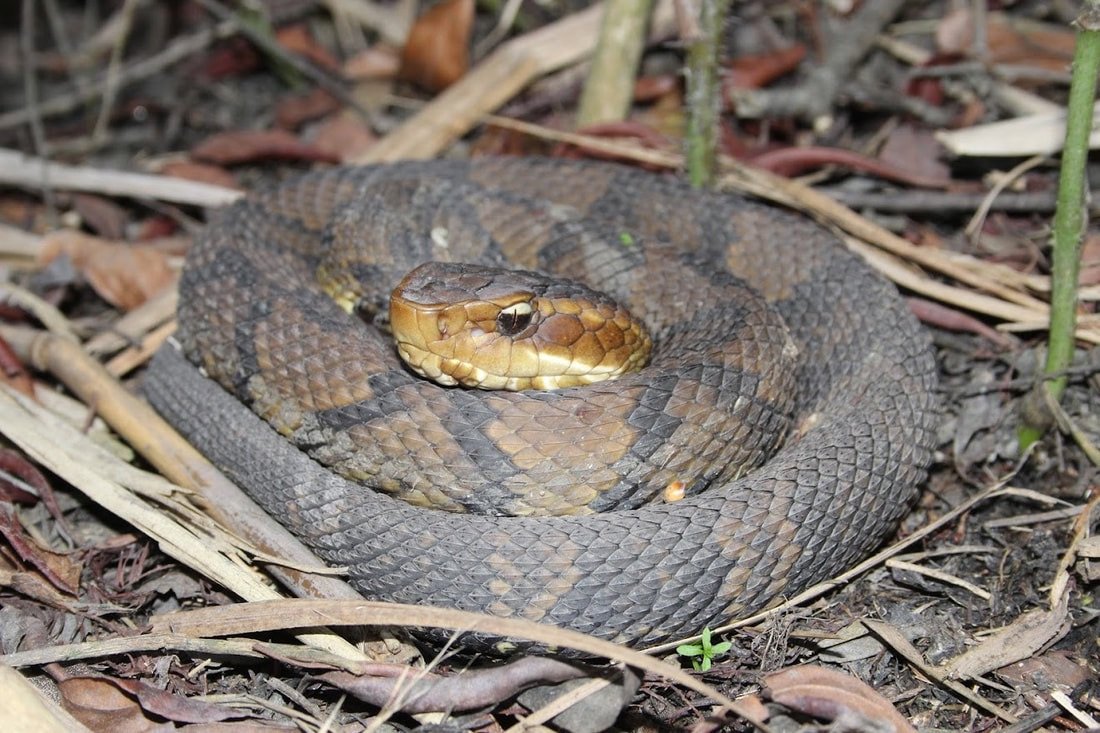
Northern Cottonmouth (Water Moccasin)
Often confused with harmless water snakes, the Northern Cottonmouth is Missouri’s only venomous water snake.
- Habitat: Swamps, sloughs, riverbanks, and wetlands — especially in the southeast corner of the state.
- Look: Thick, dark body with a blunt nose and white inside of mouth (that’s the “cotton”).
- Behavior: Opens mouth as a warning display. They’re more bark than bite.
People often panic when they see any snake in water, but most water snakes in Missouri are harmless, like the diamond-backed water snake. Learn the difference and avoid unnecessary fear.
🔥 Want to dive deeper into the world of water reptiles? Check out our 🐢 turtle tank setup for beginners and our article on 🐢 heat lamp needs for turtles.
Black and Brown Snakes in Missouri – Harmless Yet Often Misidentified
Here’s where things get confusing for most people — Missouri is full of non-venomous black and brown snakes that people constantly confuse for venomous species.
Some of the most commonly misidentified ones include:
- Black Rat Snake (often mistaken for a Cottonmouth or rattlesnake)
- Eastern Hognose (puffs up and acts tough, but is harmless)
- Brown Snake (tiny and harmless, often seen in gardens)
- Dekay’s Brown Snake (common in suburban areas)
These snakes are great for pest control and are completely harmless to humans. In fact, black rat snakes are often called “farmer’s friends” for their role in controlling rodents.
🧠 Bonus: If you’re curious about how snapping turtles might interact with snakes in shared wild habitats, don’t miss our popular Alligator vs. Common Snapping Turtle Comparison. It’s wild stuff!
What to Do If You See a Snake in Missouri
Seeing a snake might send your heart racing, but most of the time, the best thing to do is leave it alone and give it space.
- Don’t panic – Most snakes don’t want anything to do with you.
- Back away slowly – Quick movements can be seen as a threat.
- Don’t try to kill it – It’s dangerous, and in some cases, illegal depending on the species.
- Observe from a distance – Snakes play an important role in the ecosystem by keeping rodent populations in check.
If you’re on a hike or working in your yard, wear boots and long pants to reduce your chances of a bite if you accidentally disturb one.
What to Do If You’re Bitten by a Venomous Snake
Even though bites are rare, it’s important to be prepared:
- Stay calm – Easier said than done, but it helps slow the spread of venom.
- Call 911 immediately – Get help fast.
- Keep the bite below heart level – This helps reduce venom flow.
- Do NOT suck the venom out – That’s a myth and could make things worse.
- Do NOT apply ice or a tourniquet – These can do more harm than good.
Most hospitals in Missouri are equipped with antivenom for native species. Early treatment makes a huge difference in recovery.

Recap: Missouri Venomous Snakes at a Glance
Here’s a quick breakdown of Missouri’s four venomous snakes:
- Copperhead – Most common; lives in wooded areas statewide.
- Cottonmouth – Found in swampy areas in southeast Missouri.
- Western Pygmy Rattlesnake – Small, rare, and found in southern Missouri.
- Western Massasauga – Shy rattler found in north/central prairies.
All of them play a valuable role in nature and don’t want to hurt you unless absolutely necessary.
🧠 Want to expand your critter knowledge? Explore our ExploreCritters snake category for more fascinating reads.
Final Thoughts on Staying Safe and Snake-Savvy in Missouri
Missouri’s outdoors are full of beauty and adventure — and yes, the occasional snake. But with a little knowledge, you can enjoy your time outside without fear and with more respect for the wildlife around you.
If you’re raising reptiles or planning to get into herpetology as a hobby, we’ve got helpful care guides too:
And don’t miss our deep dive on snapping turtles here: Alligator Snapping Turtle vs Common Snapping Turtle
Stay safe, stay curious, and keep exploring!