
Curious about snails? This comprehensive snail facts and guide explores how these remarkable gastropods live, eat, reproduce, and thrive in backyards, ponds, and oceans around the world. Whether you’re a gardener hoping to coexist with snails, a parent helping kids learn about local wildlife, or a beginner looking into pet snail care, you’ll find clear, practical insight here—plus tips for observing snails responsibly and keeping them healthy in captivity.
For more deep dives on small but mighty creatures, browse our invertebrate hub on the Insects & Invertebrates category, and explore all our snail-related coverage in our Snail category.
What Is a Snail? Taxonomy and Types
Snails are mollusks in the class Gastropoda, a diverse group that also includes slugs and sea slugs. A snail’s defining feature is its coiled shell, which grows with the animal and offers protection from predators and harsh weather. Gastropods occupy nearly every environment on Earth—from forest leaf litter and garden beds to freshwater streams and coral reefs.
Major groups of snails
- Land snails: Air-breathing snails that live on land and rely on moisture and shade. These are the ones you’ll most often find in gardens and forest edges.
- Freshwater snails: Found in ponds, lakes, streams, and wetlands. They help recycle nutrients and often serve as prey for fish, birds, and turtles. To see how they fit into watery ecosystems, check out our Freshwater creatures hub and our complete guide to crayfish.
- Sea snails: Marine snails range from tide-pool dwellers to deep-sea hunters. For more ocean life, explore our Fish & Sea Life coverage.
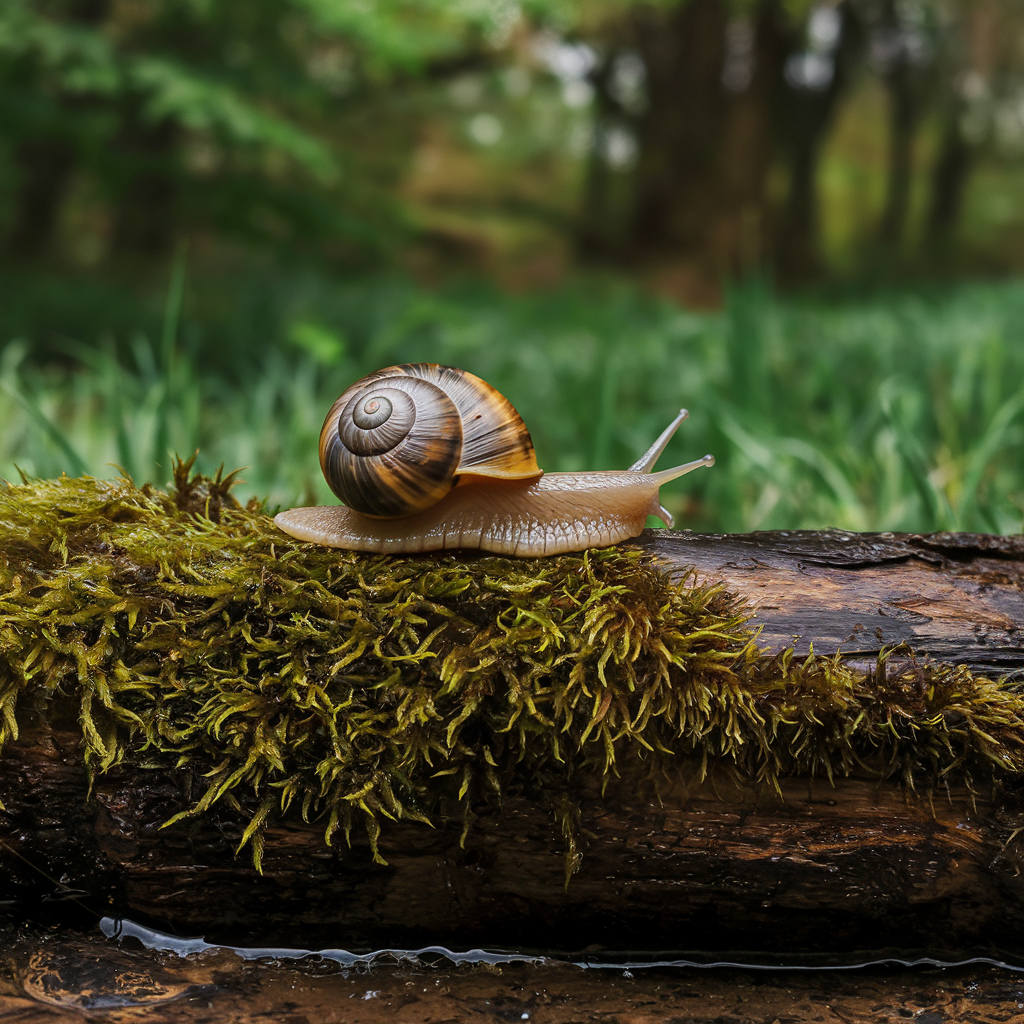
Snail Anatomy 101: Shell, Foot, Tentacles, and Radula
Understanding anatomy is central to any snail facts and guide. Snail bodies are marvels of efficiency and adaptation, optimized for slow, steady movement and protection.
Shell and mantle
The shell is secreted by a specialized tissue called the mantle. It is primarily made of calcium carbonate and grows continuously as the snail grows. A healthy snail needs adequate calcium to maintain a strong, defect-free shell. Damage or thinning can occur if dietary calcium is insufficient or if environmental conditions are too acidic.
Curious about how other animals’ shells work? Compare with reptiles in learn all about turtles, and dig into why a turtle’s shell isn’t just “armor” but part of its skeleton in these turtle shell facts.
Foot and mucus
Snails move on a muscular foot that ripples in waves. Their mucus lubricates surfaces, reduces friction, and helps them traverse rough terrain—even sharp edges—without injury. The slime trail also retains moisture and can convey chemical cues for navigation or mating.
Tentacles and senses
Most land snails have two pairs of tentacles: the upper pair bears eyes, while the lower pair detects chemicals and touch. Vision is limited; smell and taste are much more important for finding food, mates, and safe shelter.
Radula: The rasping tongue
Snails feed with a radula—a ribbon-like structure lined with tiny, replaceable teeth. Herbivorous snails scrape algae, biofilm, or plant matter; predatory sea snails have more specialized radulae for drilling shells or delivering venom.
Snail Habitat and Distribution
Snails are found on every continent except the interior of Antarctica, and many marine species thrive in the icy waters surrounding it. In general, snails favor moist, shaded microhabitats: under logs, within dense leaf litter, around the bases of plants, or beneath stones. Land snails often become most active after rain or dew, while aquatic species frequent submerged vegetation and slow-moving water.
To see what else lives alongside snails in cold regions, browse our Critters of Antarctica; and for a broader view of outdoor neighbors, explore these backyard wildlife facts.
What Do Snails Eat? Diet and Feeding Behavior
Most land snails are herbivores or detritivores, grazing on:
- Algae, biofilms, and fungi
- Decaying leaves and plant matter
- Tender plant shoots, fruits, and vegetables
- Calcium sources like limestone chips or cuttlebone to maintain strong shells
Freshwater snails commonly graze on algae and detritus, helping keep aquatic surfaces clean. Some marine snails are carnivorous; the cone snails, for example, use a venom-tipped harpoon radula to capture prey. Many species play critical roles in nutrient cycling and surface cleaning, making them vital for ecosystem health.
Life Cycle and Reproduction
Many land snails are simultaneous hermaphrodites, possessing both male and female reproductive organs. Typically, two snails exchange sperm and later lay eggs, though self-fertilization can occur in some species when mates are scarce.
- Mating: During courtship, some species use “love darts,” tiny calcareous spikes that may influence reproductive success. This behavior is unique and harmless to humans.
- Egg laying: Eggs are deposited in moist soil or protected crevices. Clutch size varies widely by species.
- Development: Land snail hatchlings are small versions of adults, with soft, partially formed shells that harden as they consume calcium. Many aquatic snails have free-swimming larval stages that drift before settling.
Behavior: Speed, Navigation, and Daily Rhythm
Snails move slowly—usually only a few millimeters per second—so they avoid desiccation and predators by being mostly nocturnal or active during cool, damp conditions. They navigate using chemical trails, environmental cues, and memory of safe routes and refuges. In hot or dry conditions, snails may seal their shell opening with a temporary layer of mucus and calcium (epiphragm) and enter a dormant state called estivation. In colder climates, many species hibernate through winter in sheltered spots.
Snails in the Ecosystem: Why They Matter
Snails are critical decomposers and grazers. They recycle nutrients by processing detritus and algae, support soil health, and serve as a food source for a wide range of wildlife. Birds, beetles, small mammals, amphibians, and reptiles all rely on snails at times, creating strong links in local food webs.
- Amphibians: Many frogs will opportunistically eat snails. Learn more in our green tree frog facts and the broader Reptiles & Amphibians hub.
- Birds: Some birds crack snail shells to access the nutritious flesh inside. Explore avian behavior in all about birds.
- Reptiles: Aquatic turtles and semi-aquatic species may consume snails. To see a common omnivore that enjoys mollusks, check out the red‑eared slider.
Common Snail Myths and Misconceptions
Let’s debunk a few myths often repeated about snails:
- “Snails are insects.” False. Snails are mollusks, not insects. They are invertebrates, though—learn how they compare to other small powerhouses in ant facts and myths.
- “You can remove a snail from its shell.” False. The shell is part of the snail’s body, connected via the mantle and muscle attachments. Removing it fatally injures the animal.
- “Salt is a harmless way to control snails.” False. Salt rapidly dehydrates and kills snails in a painful manner. There are better, ethical alternatives (see garden management below).
- “All snails are pests.” False. Many species cause little or no damage and provide vital ecosystem services, like decomposing leaf litter and recycling calcium.
Ethical Garden Management: Protecting Plants Without Harming Snails
If you’re frustrated with chewed leaves, you’re not alone. But you don’t need harsh chemicals or salt to protect your garden. Try these wildlife-friendly strategies:
- Water in the morning: Evening watering creates humid conditions snails prefer. Watering early reduces nighttime activity around tender plants.
- Use physical barriers: Copper tape around raised beds can deter snails. Fine mesh or plant collars protect seedlings.
- Hand-pick at dusk: After watering or rainfall, gently relocate snails to a less sensitive part of your yard.
- Provide decoy zones: A “sacrificial” patch of leafy greens can distract snails from prized ornamentals.
- Encourage predators: Birds, frogs, and some beetles reduce snail numbers naturally. Explore more ways to welcome beneficial wildlife in these backyard wildlife facts.
- Avoid broad-spectrum pesticides: These can harm pollinators and disrupt the ecological balance that keeps snail populations in check.
Beginner’s Pet Snail Care Guide
Keeping land snails as pets can be a low-cost, low-maintenance way to introduce children to animal care and observation. Here’s how to get started responsibly:
1) Habitat setup
- Enclosure: A ventilated plastic bin or glass terrarium with a secure lid. Provide numerous air holes but maintain humidity.
- Substrate: 2–4 inches of damp (not wet) coconut coir, peat-free compost, or a mix of organic soil and leaf litter. Spot-clean regularly.
- Refuges: Add cork bark, curved pieces of bark, rocks, and live or artificial plants for hiding and climbing.
- Humidity and temperature: Most common land snails prefer 65–75°F (18–24°C) and high humidity (70–90%). Mist lightly as needed.
- Lighting: Ambient room light is sufficient; avoid direct sun and overheating.
2) Diet and calcium
- Foods: Offer leafy greens (romaine, kale, dandelion), cucumber, zucchini, squash, carrots (thin slices), and occasional fruit (apple, melon). Remove uneaten food daily to prevent mold.
- Calcium: Provide a constant calcium source such as cuttlebone, crushed eggshell (baked and finely ground), or calcium blocks to support shell health.
- Water: Light misting usually suffices; you can also offer a shallow water dish with pebbles for safety.
3) Health and hygiene
- Cleanliness: Spot-clean waste and mold promptly; replace substrate periodically (every 4–8 weeks, depending on size and stocking).
- Handling: Wash hands before and after handling. Handle gently with damp hands; avoid tugging, squeezing, or pulling from surfaces.
- Companionship: Many species can be housed together in spacious enclosures with abundant food and hides. Always research species compatibility first.
4) Responsible sourcing
Acquire snails ethically. Never release captive snails outdoors, and be aware of local regulations—some large exotic land snails are invasive and restricted or illegal to keep in many regions.
Snails Across the World: Notable Species to Know
- Garden snail (Cornu aspersum): Common in many temperate regions; a generalist feeder often encountered by gardeners.
- Roman snail (Helix pomatia): A large European species historically harvested for food; prefers chalky, calcium-rich habitats.
- Giant African land snails (Achatina spp.): Powerful, prolific herbivores; invasive in many places and often illegal to own—know your laws.
- Apple snails (Pomacea spp.): Freshwater snails with diverse diets; some are plant eaters that can impact aquatic vegetation.
- Moon snails (Naticidae): Marine predators that drill into the shells of bivalves and other snails.
- Cone snails (Conidae): Beautiful but venomous marine snails that immobilize prey with a harpoon-like radula. Handle only with expert guidance (or better yet, not at all).
Field Tips: Observing Snails Responsibly
- Best times: Look for snails after rain, at dusk, or early morning when humidity is higher.
- Where to search: Check the undersides of leaves, logs, stones, and near dense ground cover. Replace any rolled logs or stones exactly as you found them.
- Photography: Mist a leaf to create natural-looking water droplets; avoid flash that may stress nocturnal species.
- Leave no trace: Observe, photograph, and gently return snails to their original spot.
Snail Facts and Guide: Quick FAQ
How fast do snails actually move?
Most land snails creep along at only a few millimeters per second. Terrain, humidity, and temperature all affect speed—higher moisture and smoother surfaces usually make for faster travel.
Do snails need calcium every day?
They need steady access to calcium to maintain shell growth and repair. Keep a piece of cuttlebone or a safe calcium source in the habitat at all times.
Are snails good for gardens?
It depends on the species and plantings. Many snails contribute to decomposition and soil health, but they can also nibble tender seedlings. Ethical, non-lethal management works well for most home gardens (see tips above).
Can I keep a wild snail as a pet?
You can, but research the species first, ensure it’s not protected, and confirm local regulations. Provide a proper habitat, rich diet, and calcium. Never release a captive or non-native snail into the wild.
Do snails hibernate?
Many temperate land snails hibernate during winter and aestivate during hot, dry periods. They seal themselves with a mucus-and-calcium layer to conserve moisture.
What eats snails?
Birds, amphibians, reptiles, beetles, and mammals. Explore more in all about birds, our Reptiles & Amphibians hub, and specific predator profiles like the red‑eared slider.
Safety Notes and Conservation
- Avoid salt and harmful chemicals: These cause suffering and broader ecological harm. Use barriers, habitat tweaks, and hand-removal instead.
- Mind invasive species: Large exotic land snails can disrupt ecosystems and agriculture. Know your local laws and never release unwanted pets.
- Protect microhabitats: Leave leaf litter, dead wood, and shaded corners to support native snails and other beneficial species.
Related Reading and Next Steps
If you enjoyed this snail facts and guide and want to keep exploring, you’ll love these resources:
- More on mollusks and invertebrates in Insects & Invertebrates
- Explore all snail posts in our Snail category
- Compare shell biology across species in turtle shell facts and learn all about turtles
- See how snails fit into pond life with the complete guide to crayfish and our Freshwater creatures coverage
- Discover who shares your yard with snails in these backyard wildlife facts
- Get to know other small but mighty neighbors with ant facts and myths
- Learn more about predators and allies in green tree frog facts and all about birds
Key Takeaways
- Snails are mollusks with calcium-based shells that grow with them, not detachable armor.
- They thrive in moist, shaded habitats and are most active during cool, damp periods.
- Most are herbivores or detritivores and play vital roles in nutrient cycling and food webs.
- Ethical garden management techniques protect plants without harming wildlife.
- Pet snail care is accessible: provide humidity, hides, a varied plant-based diet, and constant calcium access.
From backyard gardens to coral reefs, snails are everywhere—quietly recycling nutrients, feeding other wildlife, and showcasing evolutionary ingenuity. With this snail facts and guide, you’re ready to observe them more closely, care for them responsibly, and appreciate the important role they play in healthy ecosystems.