What Is a Turtle Shell Really Made Of?
When you look at a turtle, you’re not seeing armor strapped to its back — you’re seeing its actual bones. A turtle or tortoise shell isn’t some removable cover like a hermit crab’s shell. It’s part of their spine and ribcage, fused together over millions of years into what we now call the carapace (top) and plastron (bottom).
This shell is made of bone, and it’s covered in a layer of keratin, the same stuff in your fingernails. Unlike nails, though, that keratin has color patterns that help identify different species — and it doesn’t just sit there for looks. It’s strong, protective, and sensitive.
Some land-dwelling critters like tortoises have tall, dome-shaped shells for defense against predators. Meanwhile, aquatic turtles often have flatter, smoother shells to help them glide through water. From the surface pattern to the bone structure underneath, a turtle’s shell tells a detailed story about its species, environment, and even age.
Do Turtles Feel Their Shell?
Yes — and this might surprise a lot of folks — turtles absolutely feel touch through their shells. Their shells are full of nerve endings. That means when you pet a turtle or accidentally tap too hard, they’re not just reacting because it’s annoying… they can feel it.
I’ve seen it firsthand: a freshwater turtle that flinches when its shell is poked. That’s not a reflex — that’s discomfort. And just like your spine, their shell connects to their nervous system. Touch, pressure, even injuries… they feel it all.
If you’re diving into different species, you’ll notice unique behaviors around shell sensitivity. Some species in our turtle section might enjoy a soft rub under running water. Others? They’ll hide instantly. Respect the shell. It’s not a helmet — it’s a living part of them.
Can Turtles Be Hurt Through Their Shell?
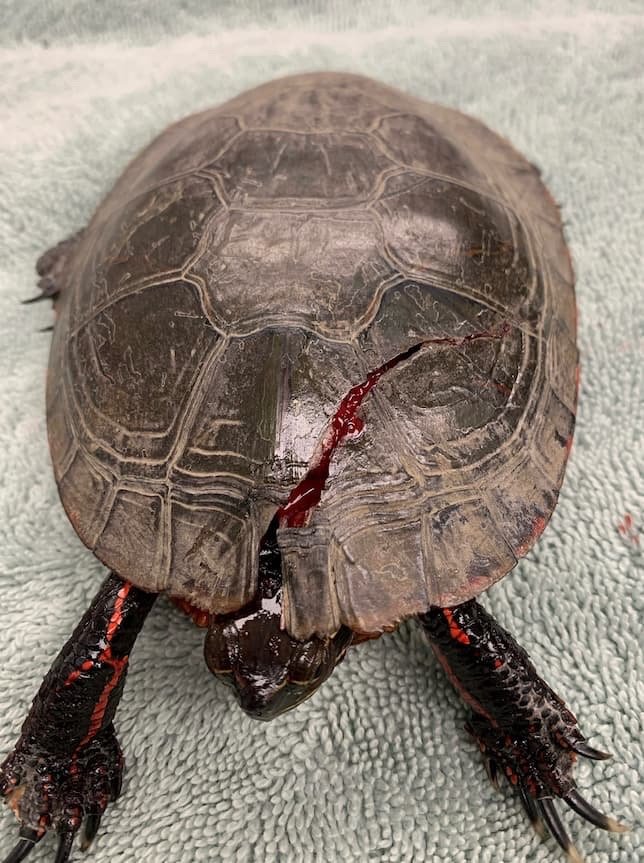
Big time. While it’s made of bone and keratin, a turtle’s shell can bruise, crack, get infected, or even break entirely. Think about how you’d feel if your ribs were cracked — now imagine them on the outside of your body. That’s what it’s like for them.
Too many well-meaning people knock on a turtle’s shell like they’re tapping a table. But here’s the truth: shell trauma is real. It can come from dropped turtles, rough handling, wild animal attacks, or even being hit by a car when crossing roads.
Some species, like softshell turtles, have thinner, more flexible shells, making them even more vulnerable. You can explore more of those over in the freshwater creatures section — they often need extra protection in captivity and in the wild.
Why Shell Damage Can Be Life-Threatening
A crack in a turtle’s shell isn’t just cosmetic. It can lead to deadly infections, permanent damage, and extreme pain. These animals don’t complain or whimper — they just endure. But once that shell is compromised, so is their entire immune barrier.
Open fractures can let bacteria right into their bloodstream. Injuries from dog bites or lawnmower accidents often leave holes that never fully heal. And in the wild? A cracked shell can mean death from exposure or predators. This is why proper care, clean habitat, and gentle handling are absolutely non-negotiable.
Whether you’re learning about tortoises with thicker, rugged shells or sleek sea turtles with shells adapted for water, every shell deserves respect and protection.

Do Turtle Shells Grow With Them?
Absolutely — a turtle’s shell grows as they grow. It doesn’t stay the same size like a snail’s borrowed shell. Turtles are born with their shell, and as they get bigger, so does it. The shell expands gradually, layer by layer, as new bone and keratin form underneath the existing structure.
You might even notice faint growth rings on the scutes (those scale-like plates on top). While these rings don’t tell age perfectly, they can give a rough idea — just like tree rings. It’s one of the coolest natural growth systems in the animal kingdom.
Just like other reptiles and cold-blooded creatures, turtles slow their growth in cold weather, then pick it back up in warm seasons. So those rings form based on environment and health, not just time.
Can a Turtle Survive Without Its Shell?
Let’s bust the myth right now: no, a turtle cannot survive without its shell. It’s not like a hermit crab. The shell is fused to their bones — their ribs, spine, and internal organs are connected to it. Removing the shell is like removing your ribcage and spine. That’s fatal.
Some viral images online might show a turtle “out of its shell,” but that’s either fake or a completely different animal. If you ever see a turtle with a missing or severely broken shell, it needs urgent medical care — not replacement, but healing.
This fact alone should tell you how vital it is to never separate a turtle from its shell, and why injuries are so serious. Their shell is their identity, their protection, and their body — all rolled into one.
Tortoise vs Turtle: What’s the Difference?
This is one of the most asked questions ever — and we’ve got a full breakdown over on our Tortoise category and our Turtles page. But here’s the quick scoop:
- Tortoises live on land, have heavy dome-shaped shells, and are built for slow walking, not swimming.
- Turtles, especially aquatic types, have flatter, streamlined shells and spend much of their time in water.
Their diets are different too. Most tortoises munch on plants and weeds, while turtles can be omnivores, eating everything from insects to plants to fish depending on their species. Even their feet are different — turtles often have webbed toes or flippers, while tortoises have stubby, elephant-like feet.
Why You Should Never Paint a Turtle’s Shell
It might look cute or artsy, but painting a turtle’s shell is dangerous and cruel. Their shell is alive — it breathes, it absorbs light, and it feels. Covering it with paint blocks UV absorption, which they need for vitamin D3 and overall shell health. Plus, paint is toxic and can poison their body through the shell.
Sadly, this happens a lot in the pet trade or for social media photos. But we can educate and stop this from spreading. If you ever see a turtle with paint or glitter on it, don’t assume it’s okay — that animal is suffering and needs proper help and cleaning.
You wouldn’t paint your dog’s teeth or cat’s nose with nail polish — don’t do it to a turtle’s shell.
Do Turtle Shells Heal if Damaged?
Yes — a turtle’s shell can heal, but it takes time, nutrition, and proper care. Since the shell is made of living bone and keratin, minor cracks or chips may eventually harden and regrow, especially if the turtle has plenty of calcium and vitamin D3 in its system.
That said, serious injuries — like deep fractures from predator bites or car strikes — might never fully recover. In those cases, rescuers may apply fiberglass or epoxy patches to help stabilize the shell and give the turtle a second chance at life.
And this is why it’s so important to handle turtles with care and never assume they’re “fine” if their shell is cracked. If you ever come across an injured turtle, contact a local wildlife rehabber or animal control. The shell is part of their body — and any injury to it hurts like a broken bone.

Why Do Turtles Bask in the Sun?
Ever seen turtles stacked like pancakes on a sunny log or rock? That’s basking behavior, and it’s not just for fun — it’s critical for their health. Turtles bask in sunlight to warm their cold-blooded bodies and absorb UVB rays, which help them synthesize vitamin D3. Without it, they can’t properly absorb calcium, which leads to shell softening and even death.
If you’re raising turtles or exploring their care, understanding basking is key. That’s why we dig into topics like this over in our fresh water creatures section, where pond turtles, sliders, and other basking reptiles are featured.
Without basking, they can’t grow properly or fight off disease — so never underestimate the power of a good sunny spot.
Are Turtle Shell Patterns Unique?
Yes — every turtle’s shell pattern is slightly different, even within the same species. While turtles of the same kind generally share a similar look, individual patterns of lines, scutes, and coloration vary, making them unique in their own way — almost like fingerprints.
Shell patterns can change slightly with age, diet, and habitat. Some wild turtles may appear darker due to algae growth or environmental exposure, while others have a more vivid tone from living in clean, nutrient-rich waters.
And remember — that shell isn’t just for looks. It’s a living part of the turtle, so painting it or carving into it (which sadly still happens in some places) is harmful and cruel. Want to learn more about different turtle and tortoise shell types? Check out our growing hub of insights in the tortoise section — and keep an eye out for more turtle-focused content too.
Do All Turtles Have Hard Shells?
Not all turtles wear heavy armor. While most species have a hard, domed shell made of bone and keratin, some have evolved with softer, more flexible shells better suited for speed or diving.
Softshell turtles, for example, have a flattened, leathery shell that’s more skin than scute. They’re built for agility in the water and are often found in rivers and lakes.
Some aquatic turtles, especially sea turtles, also have shells adapted for buoyancy and hydrodynamics, allowing them to glide through vast ocean distances.
But no matter the texture — hard or soft — every shell is part of the turtle’s body. That’s why we always promote respect and responsible handling, whether it’s a freshwater slider or a land-dwelling tortoise. Explore our latest tortoise insights in the tortoise collection for even more real-world facts.
Can a Turtle Feel You Touching Its Shell?
Yes — and not just feel it, but really feel it. A turtle’s shell is packed with nerve endings that connect directly to its spinal cord. So when you gently pet a turtle’s shell or tap it, they feel that just like we feel touch on our skin.
Some turtles love gentle scratching and will lean into it. Others may shy away. Just like people, turtles have different personalities, and their shell is not just “armor” — it’s a part of their sensory world.
So if you’re lucky enough to interact with one, remember — you’re not tapping on a helmet. You’re connecting with a living creature. Want to know how this compares with their land cousins? We’ve got plenty of info inside our 🐢 tortoise behavior category where you’ll see how tortoises respond to handling too.
What Happens If a Turtle Loses Its Shell?
Short answer? It doesn’t survive.
Unlike a crab or snail, a turtle cannot leave its shell. It’s not a home they hide in — it’s their spine, ribcage, and nervous system all fused into one protective structure. The shell supports internal organs and connects with their muscles, making it vital for movement and survival.
If a turtle’s shell is crushed or badly damaged, it’s often fatal. That’s why understanding this difference is so important — especially for people who may wrongly assume a turtle can “outgrow” or “switch” shells like a hermit crab. They can’t.
If you’re curious about the differences between turtles and other reptiles, especially when it comes to structure, behavior, or lifespan — explore more insights in our growing turtle collection.
Our Last Thoughts on the Living Shell
The next time you see a turtle or tortoise, take a moment to appreciate just how incredible that shell really is. It’s not just nature’s armor — it’s a fully integrated, living part of one of the most ancient and fascinating creatures on Earth.
Whether it’s a water-loving turtle sunning itself on a rock or a slow-moving tortoise lumbering across the desert, their shell tells the story of evolution, survival, and protection — all wrapped into one iconic design.
You can keep exploring all things shelled and slow-moving by diving into our 🐢 tortoise category here — and don’t miss our deep-dive into turtle facts too if you’re hooked on these fascinating reptiles.