Meet the Wild Turkey: A Field Guide You Can Use in Any Season
If you’re here to learn all about wild turkeys, pull up a chair—I’ve spent countless mornings listening to gobbles echo through timbered valleys and watching bronze feathers flare in the sun. Wild turkeys are more than a holiday symbol; they’re complex, clever, and essential members of North American ecosystems. In this guide, I’ll walk you through identification, behavior, seasonal patterns, conservation history, and how to share space with these birds respectfully. Along the way, I’ll bust a few myths and share practical tips that actually work in the field.
Quick ID: What Makes a Wild Turkey, Well, Wild?
Size and shape
Wild turkeys (Meleagris gallopavo) are among the largest native birds in North America. Adult males (toms or gobblers) typically weigh 11–24 pounds, while females (hens) often weigh 6–12 pounds. Wingspan averages about 4–5 feet. Despite their size, they’re surprisingly agile on foot and in the air.
Plumage and the “living oil spill” effect
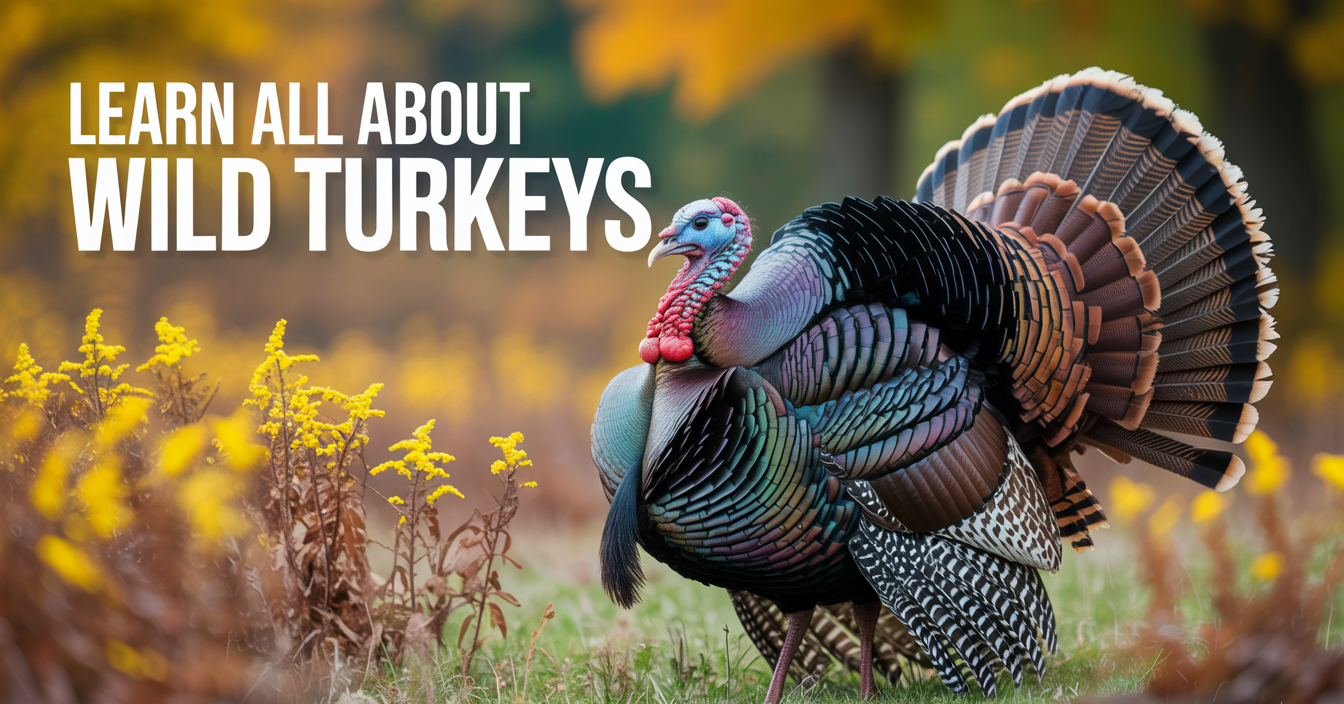
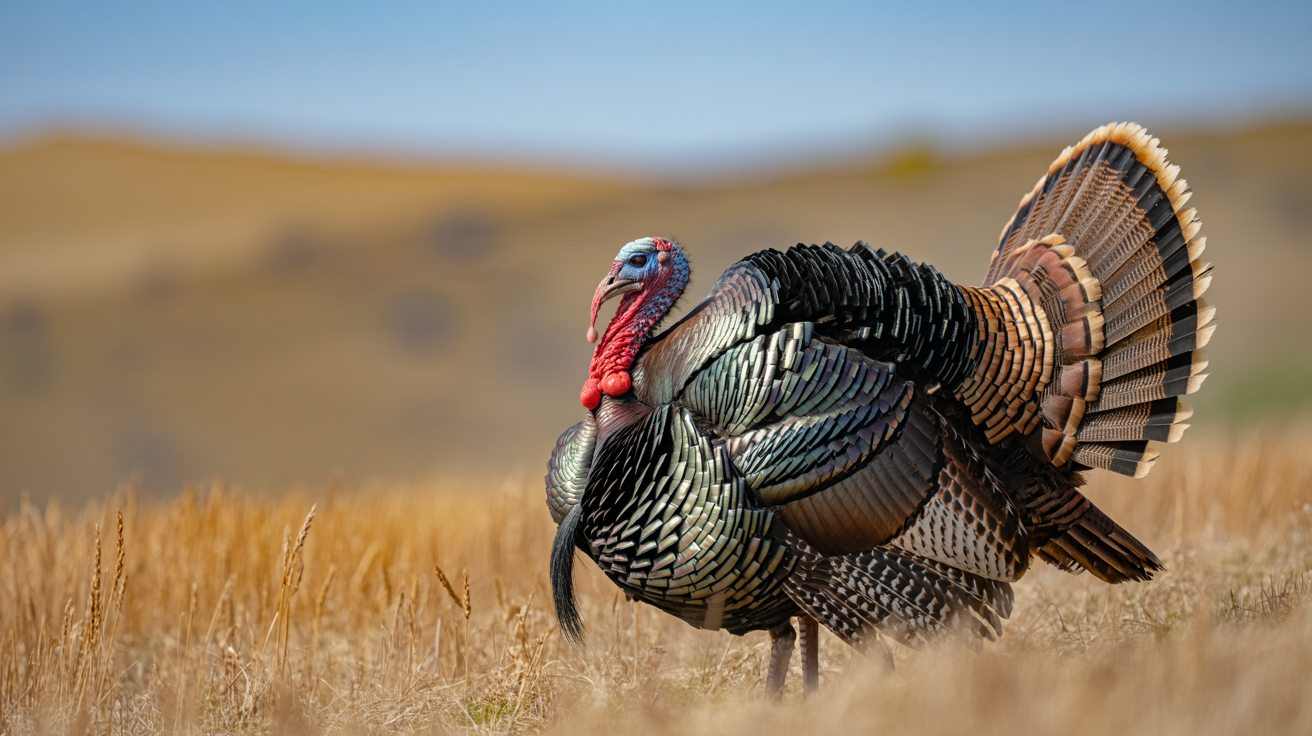
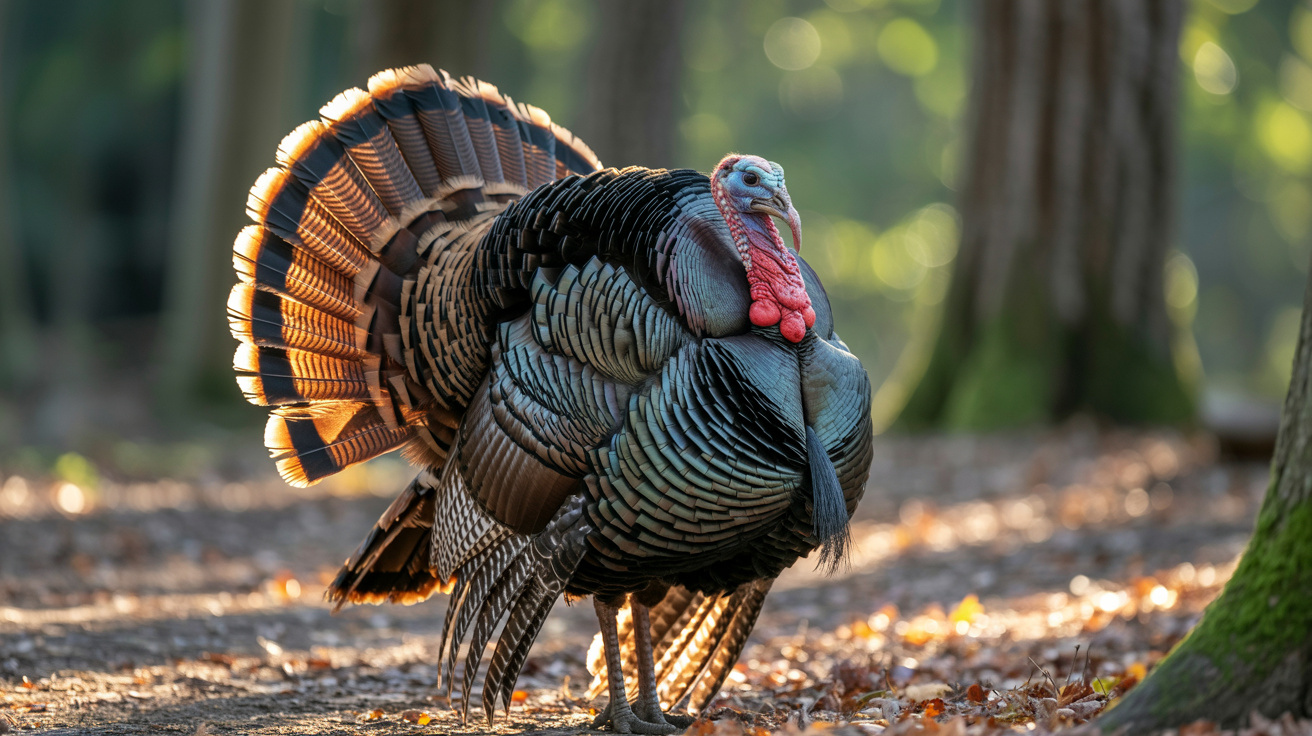
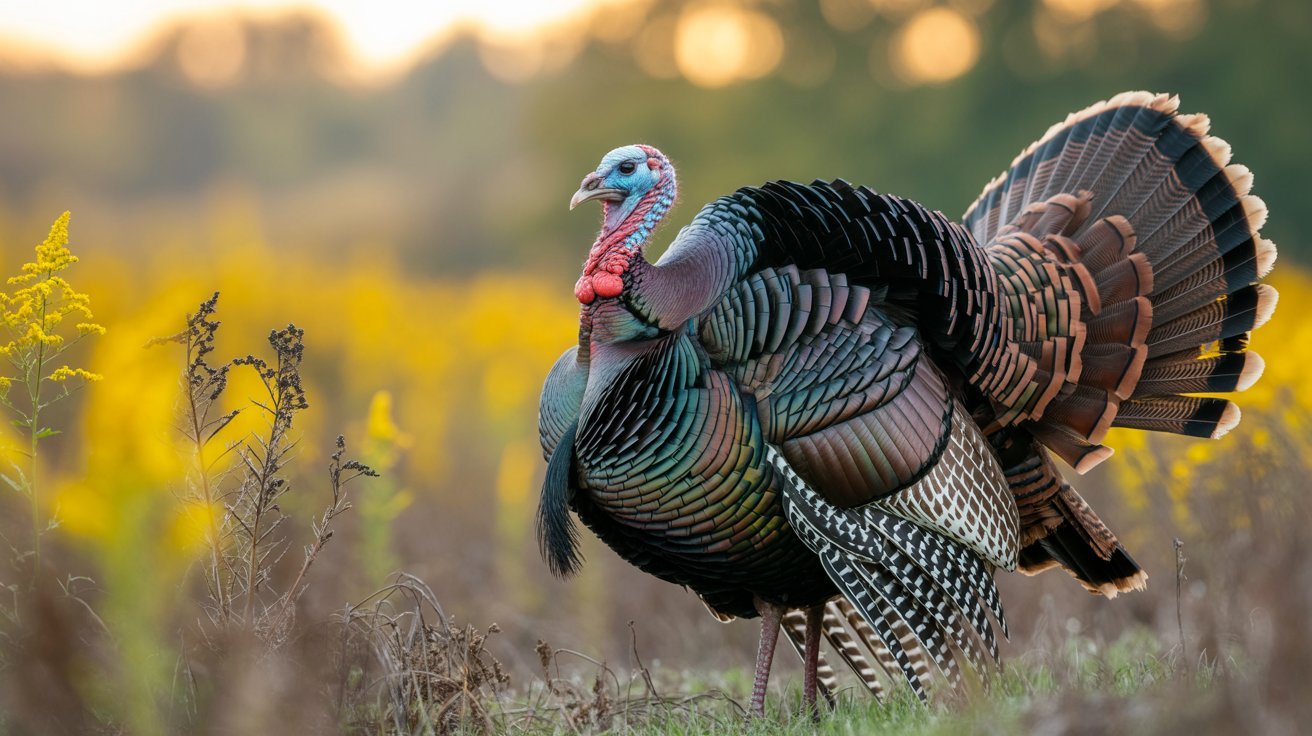
The body feathers are a glossy medley of bronze, copper, and greens—an iridescence that changes with the angle of light. Toms carry a fan-shaped tail and often have a “beard,” a tuft of coarse, hair-like filaments sprouting from the chest that can grow 6–12 inches. Hens are smaller, usually lack pronounced beards (though a small percentage do have them), and their heads are more bluish-gray compared to the brighter, more color-changing heads of males.
Field marks you’ll notice up close
- Snood: The fleshy appendage that drapes over the bill; it elongates when a tom is excited.
- Wattles and caruncles: Fleshy areas on the neck and head that shift color (red, white, blue) with mood and temperature.
- Spurs: Pointed projections on the legs of males used in dominance battles; length generally increases with age.
Where Wild Turkeys Live and How They Use Their Habitat
To really know all about wild turkeys, you have to think like a habitat generalist. These birds thrive in a mosaic of hardwood forests, pine stands, riparian corridors, brushy edges, and open fields. They love the smorgasbord: acorns in the fall, insects in spring and summer, and seeds and grasses whenever they can find them.
Wild turkeys occur through most of the United States, parts of southern Canada, and Mexico. You’ll find five main subspecies in North America:
- Eastern: The most widespread, dominating much of the eastern U.S.
- Osceola (Florida): Darker birds with reduced white barring on the wings.
- Rio Grande: Central plains and Texas, adapted to drier habitats.
- Merriam’s: Western mountains, often with more white in the tail tips.
- Gould’s: Northern Mexico and limited areas of the Southwest.
Roosts are almost always in trees—big, sturdy limbs near open approaches so turkeys can launch and land safely. They favor ridgelines and creek bottoms with reliable escape routes.
Daily Life: Feeding, Roosting, and Staying Alert
Diet with the seasons
Wild turkeys are omnivores and opportunists. In spring and summer they gorge on insects (beetles, grasshoppers, caterpillars) and tender greens to fuel breeding and growth. In fall and winter, hard and soft mast (acorns, beech nuts, berries) become crucial. They’ll also eat grasses, seeds, and the occasional small vertebrate or amphibian if the opportunity arises. It’s accurate to say they’ll sample a little of everything the landscape offers.
Senses that keep them alive
Turkeys have excellent color vision and detect movement quickly in daylight. Their hearing is keen as well, which is why a careless snap of a twig can end your chances of a close encounter. However, their night vision is limited—one reason they fly up to roost in trees at dusk.
Speed and flight
On the ground, a turkey can hit 20–25 mph in a sprint. In the air, short bursts can reach speeds over 40 mph. Yes, wild turkeys really do fly—and quite well when they need to.
The Social Life of Turkeys: Flocks, Talk, and the Spring Show
Flock dynamics and pecking orders
Outside the breeding season, turkeys form same-sex flocks with clear hierarchies. Dominant birds gain the best feeding spots and prime roost limbs. When spring arrives, toms split off to display for hens, and everything becomes a game of status and stamina.
Vocalizations you’ll hear
- Gobble: The booming mating call of toms, carrying more than a mile on calm mornings.
- Yelp: Common contact call—soft or loud depending on context.
- Cluck and purr: Contentment or light social chatter.
- Cutt: More excited notes that can signal agitation or a loud call by hens.
- Kee-kee: The higher-pitched call of young birds, especially in fall.
The spring strut
When a tom struts, he fans his tail, drops his wings, puffs his chest, and sometimes produces a subtle “drumming” you can feel more than hear. It’s part theater, part fitness test—showing hens he’s in prime condition and warning rival males to keep their distance.
Nesting and Raising Poults: A High-Stakes Spring
After mating, hens choose a ground nest—often a shallow bowl scraped among grasses, brush, or at the base of a shrub. A typical clutch holds 8–15 eggs. Incubation lasts about 27–28 days, during which the hen relies on camouflage and stillness. When poults hatch, they’re precocial: mobile, fuzzy, and hungry. Within roughly 10–14 days, many poults are already making short flights to lower branches and, soon after, roosting with the hen at night.
Broods feed in open areas rich in insects before moving to edge habitats for cover. Early survival hinges on weather (cold, prolonged rain is tough on downy poults) and predators.
Predators and Survival: How Turkeys Beat the Odds
Turkey eggs and poults face many threats. Nest predators include raccoons, skunks, snakes, and opossums. A hen’s best defense is choosing a concealed site and staying still.
- Egg and poult predators: raccoons, skunks, snakes, foxes.
- Juvenile and adult predators: owls, hawks, coyotes, bobcats, and eagles in some regions.
Turkeys respond with vigilance, flocking, and strategic roosting. They’ll also use alarm putts and quick sprints to cover. For anyone hiking in snake country while watching birds, a reminder: know your local species. If you’re in the Midwest, this brief primer on Missouri’s venomous snakes is a helpful starting point for staying safe.
Seasons of the Turkey: What Changes From Spring to Winter
Spring
Breeding season peaks; toms gobble and strut at dawn. Hens lay and incubate. You’ll hear the woods come alive with calls on calm mornings.
Summer
Broods feed in fields and openings, keying on insects. As poults grow, they begin to fly and gradually expand their ranges with the hen.
Fall
Flocks re-form, often by age and sex. You might see dozens of birds feeding together on mast, especially acorns. Vocalizations shift—listen for kee-kees and assembly calls as groups gather.
Winter
Food drives movement. Turkeys concentrate in areas with reliable mast or agricultural waste grain. Harsh weather pushes them to south-facing slopes, thick cover, and windbreaks. Roost sites become especially important for conserving energy.
Wild Turkeys and People: Safe, Respectful Coexistence
Maybe you’ve found tracks in your garden or woken to a surprise flock in the driveway. Living alongside turkeys can be a joy, as long as we set good boundaries.
- Don’t feed turkeys. Intentional feeding can lead to aggressive behavior and dependency.
- Secure attractants. Birdseed spills, livestock feed, or compost piles can draw flocks close to homes.
- Protect gardens. Use fencing or row covers for tender seedlings; turkeys scratch while foraging.
- Give space. Especially in spring when hens are nesting and toms are charged up.
- Manage pets. Off-leash dogs can chase or injure wildlife; keep dogs under control around nesting sites.
For more neighborhood nature smarts, I recommend this practical overview on backyard wildlife facts, which covers how to avoid common conflicts and still enjoy the critters that share our spaces.
Conservation Success—and Ongoing Challenges
To understand all about wild turkeys today, you need the backstory. By the early 1900s, unregulated hunting and habitat loss had reduced turkey numbers to a fraction of their historical abundance. Then came a remarkable turnaround: wildlife agencies, landowners, and conservation groups used trap-and-transfer efforts, habitat restoration, and regulated seasons to rebuild populations. Today, wild turkeys inhabit much of their former range—one of North America’s great conservation success stories.
That said, challenges remain. Subspecies distributions and local populations can fluctuate with habitat quality, weather, and land-use changes. Urban and suburban turkeys sometimes become habituated to people, which can lead to conflicts. Continued habitat stewardship—mixed forests, healthy understory, open edges—keeps turkey populations resilient.
If you’re curious about how turkeys fit into the broader tapestry of birds, you’ll enjoy our expansive primer on all about birds. And for a regional view, browse our Animals of North America hub, which spotlights species that share habitats with turkeys.
Myth-Busting: Setting the Record Straight
- Myth: Turkeys can’t fly. Reality: They fly well in short bursts, especially to and from roosts.
- Myth: Turkeys are basically domestic birds gone wild. Reality: Wild turkeys are native, wary, and athletic; domestic turkeys are a separate story entirely.
- Myth: Turkeys eliminate ticks. Reality: They’ll eat ticks opportunistically, but they’re not a dependable tick-control tool. Habitat management and personal protection matter more.
- Myth: Only males gobble. Reality: The classic loud gobble is from males, but hens have a rich vocabulary, too—yelp, cluck, purr, cutt, kee-kee—that’s vital for flock life.
- Myth: Hens never have beards. Reality: A small percentage of hens do grow beards, though they’re usually thinner and shorter than a tom’s.
How I Actually Find Turkeys: Field Tips You Can Use
Whether you’re birding, photographing, or just curious, these are the tactics that consistently help me encounter turkeys without disturbing them.
- Start at dawn. Calm mornings amplify gobbles and soft tree yelps. Listen first, move second.
- Work the edges. Field-forest ecotones are feeding hotspots; so are creek corridors.
- Look for sign. Fresh tracks, droppings, scratch marks in leaves, and dusting bowls (shallow depressions where turkeys bathe in dust) tell you birds are nearby.
- Watch the wind. Approach with the breeze in your face to reduce scent and noise carrying ahead of you.
- Glass from afar. Binoculars let you observe without pushing birds; you’ll spot sentinel hens that pick up movement instantly.
- Mind the roost. If you locate an evening roost, give it a wide buffer so birds can settle undisturbed.
What Turkeys Teach Us About Healthy Land
When I’m out learning all about wild turkeys, I also learn about the land. A thriving turkey population hints at a balanced landscape: mature trees for roosting, open glades full of insects for poults, fall mast crops, and clean water in nearby creeks. If any of those elements are missing, turkeys let you know with their absence—or by shifting their daily routes and roosts.
Turkeys are also ambassadors to the broader bird world. If you’ve never explored the rich lives of raptors that share space with them, spend a few minutes with our deep dive on owls and our hawk resources. Predators and prey co-evolved; each tells the other’s story.
Safety Notes: Turkeys in Suburbs and Parks
Occasionally, bold toms in suburbia challenge their reflections in car doors, chase joggers, or posture at people who feed them (another reason not to feed wildlife). Here’s how to keep interactions safe and respectful:
- Do not feed or approach turkeys.
- Maintain eye contact and give space if a turkey advances; use a barrier (umbrella, backpack) to appear larger, and calmly back away.
- Secure reflective surfaces if a turkey is repeatedly attacking its “rival.”
- Report habitual aggression to local wildlife authorities; they can advise site-specific solutions.
Turkey Talk: Vocabulary at a Glance
Because part of knowing all about wild turkeys is knowing how they “speak,” here’s a quick cheat sheet:
- Gobble: Male breeding call.
- Yelp: Contact call—soft for close range, louder to assemble flocks.
- Cluck: Short, content or attention-getter note.
- Purr: Soft rolling trill—often contentment while feeding; a harsher combat purr can indicate agitation.
- Cutt: Series of excited clucks.
- Kee-kee: Young bird call, especially in fall.
Beyond the Basics: Subspecies Traits and Subtle Differences
As you log more time in the field, you’ll notice regional differences:
- Eastern: Rich bronze coloration; widespread across the East and Midwest.
- Osceola: Darker plumage, reduced white wing barring; Florida peninsula specialty.
- Rio Grande: Longer legs, paler buff tail feather tips; central plains and Texas.
- Merriam’s: Wider white on tail tips and rump; Rocky Mountain West.
- Gould’s: Large size; found mainly in northern Mexico with limited U.S. presence in the Southwest.
While plumage helps, habitat and range are equally important clues.
What Turkeys Eat—And What That Means for You
I often get asked if turkeys are good (or bad) for gardens. The honest answer is: it depends on timing and your plants. In spring and early summer, they target insects and fresh greens; later they shift to seeds, berries, and nuts. They can scratch mulch and nibble tender shoots, which is why protective fencing or row covers help. On the flip side, that insect appetite can reduce pest pressure in nearby grasslands and edges.
Turkeys aren’t a silver bullet for pests like ticks, but they are part of a broader, more diverse backyard ecosystem. If you’re interested in building a more wildlife-savvy yard, this roundup on backyard wildlife has smart, simple steps that make a real difference.
How We Know What We Know
Field observations, banding data, acoustic studies, and decades of habitat work have refined what we know all about wild turkeys—everything from clutch sizes to seasonal diet shifts. For those who want a broader birding foundation (which makes you better at noticing turkey sign, too), our complete guide to all about birds is a great next stop. And if turkeys have captured your heart like they did mine, explore our dedicated Turkey category for more stories and facts.
Want to Go Even Deeper?
- Start with our Turkey category for species-specific posts and updates.
- Learn the raptors that share the sky with turkeys in our hawk and owl guides.
- Get a big-picture view by browsing Animals of North America.
Parting Thoughts
Spending time with wild turkeys changed how I see the woods. Dawn gobbles, the electric hush before fly-down, the soft purrs of a feeding flock—these details make the landscape feel alive. If you’ve read this far, you’ve already learned all about wild turkeys at a level most people never reach, and you’re ready to meet them on their terms: with patience, respect, and just a little awe.